Our verdict
Pick Japan if you want the bigger, more varied trip — Tokyo, Kyoto's temples, Mt Fuji, bullet trains — and can budget about ₹1 lakh on land for 7 nights; the weak yen helps. Pick South Korea for a shorter, cheaper city trip around Seoul and Busan, K-culture and skincare shopping, with 6 nights from about ₹75,000 on land. Both are hard for strict vegetarians.
Side by side
| Factor | Japan | South Korea |
|---|---|---|
| Visa for Indians | Electronic visa applied through visa centres in India, usually about a week | Paper visa via the Korea Visa Application Centre, typically 7–10 working days |
| Flight time from Delhi/Mumbai | Non-stop Delhi–Tokyo about 7.5–8 h; Mumbai about 9 h | Non-stop Delhi–Seoul about 7.5 h |
| Starting trip cost (per person) | 7N land from ₹1 lakh; about ₹1.6 lakh+ with flights | 6N land from ₹75,000; about ₹1.25 lakh+ with flights |
| Best months | Late March–early April; October–November | April; September to November |
| Vegetarian food | Hard: fish-based dashi in most broths; Indian and vegan restaurants in big cities | Hard: fish sauce in kimchi and stews; temple food and Indian restaurants in Seoul |
| Sightseeing variety | Tokyo, Kyoto, Osaka, Nara, Hiroshima, Mt Fuji | Seoul's palaces, DMZ, Busan, Jeju |
| Shopping | Electronics, fashion, discount stores | Skincare in Myeongdong, fashion at Dongdaemun |
| Getting around | Shinkansen; 7-day JR Pass ¥50,000 (about ₹29,000) | KTX Seoul–Busan about 2.5 h for about ₹3,800 |
| Family-friendliness | Tokyo Disney Resort, Universal Studios Japan, very safe | Lotte World and Everland, very safe |
| Nightlife | Shinjuku, Shibuya, Osaka's Dotonbori | Hongdae, Itaewon, Gangnam |
Which one is for you?
Choose Japan if…
- You have 7 nights or more and want the most variety
- Temples, gardens and traditional towns like Kyoto appeal to you
- You are travelling with children who want Disney or Universal Studios
- You want to see cherry blossom or autumn colours at their most famous
Choose South Korea if…
- You have 5–6 nights and a tighter budget
- K-pop, K-drama locations and skincare shopping are on the list
- You prefer a city-focused trip with short rail hops
- You want lower rail and hotel costs
The quick read
Japan is the bigger, more varied trip; South Korea is the shorter, cheaper one. Both are very safe, spotless and efficient, both are hard work for strict vegetarians, and both reward planning around the seasons: cherry blossom in spring and autumn colours in October–November.
Visas and flights
Japan issues electronic visas to Indian residents who apply through its authorised visa centres in India, usually in about a week. South Korea needs a paper visa through the Korea Visa Application Centre, typically 7–10 working days; Indians are not eligible for Korea's K-ETA. See the Japan visa guide and South Korea visa guide.
Non-stop flights from Delhi reach Tokyo in about 7.5–8 hours and Seoul in about 7.5 hours; Mumbai–Tokyo is about 9 hours. Return fares typically run ₹50,000–75,000 for Japan and ₹45,000–70,000 for Korea.
Cost
A 7-night Japan trip (Tokyo, Mt Fuji or Hakone, Kyoto, Osaka) starts around ₹1 lakh per person on land, twin sharing, in 3★ business hotels, or roughly ₹1.6 lakh with flights. The weak yen has helped: JPY 10,000 is about ₹5,800. Rail is the big extra: a 7-day Japan Rail Pass costs ¥50,000 (about ₹29,000), and for many routes point-to-point bullet-train tickets work out cheaper. See Japan trip cost.
Six nights in Korea (Seoul, a DMZ tour, and Busan or Jeju) start around ₹75,000 on land, roughly ₹1.25 lakh with flights. The KTX from Seoul to Busan takes about 2.5 hours and costs about KRW 60,000 (₹3,800).
Food: plan ahead in both
Japanese broths and sauces use dashi, usually made with bonito fish flakes, so even noodle soups and miso are rarely vegetarian. Korean kimchi and many stews contain fish sauce or anchovy stock. In both, rely on Indian restaurants (Tokyo, Osaka, Seoul and Busan have many), vegan restaurants, Buddhist temple food, and convenience-store rice balls and fruit. Jain travellers should carry some ready-to-eat food.
What each does best
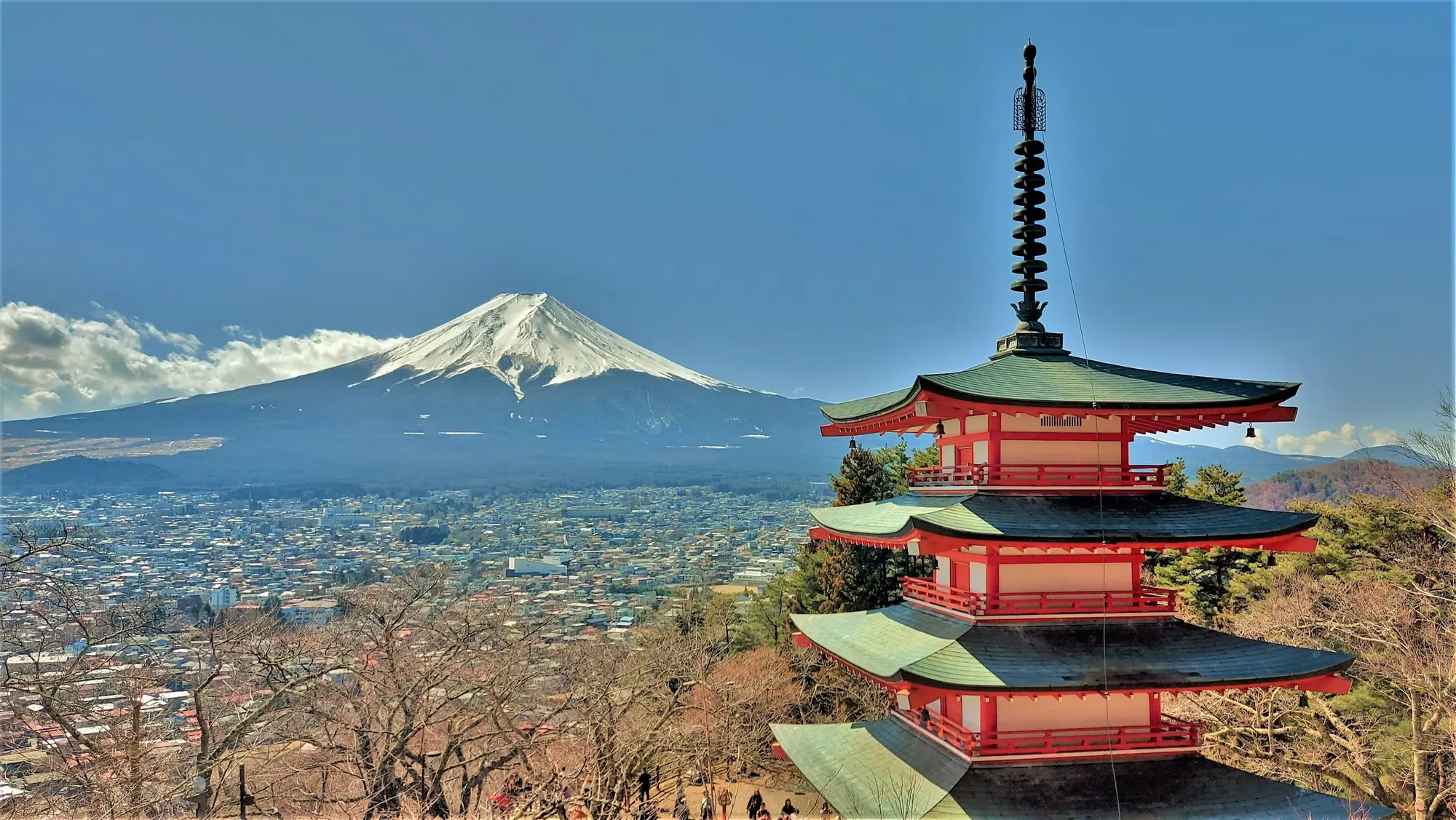
Japan offers more variety per day: Tokyo's neighbourhoods, Kyoto's temples, Nara's deer, Hiroshima, views of Mt Fuji, Universal Studios Japan and Tokyo Disney Resort. It is easier with children, and Hokkaido adds deep snow in winter.
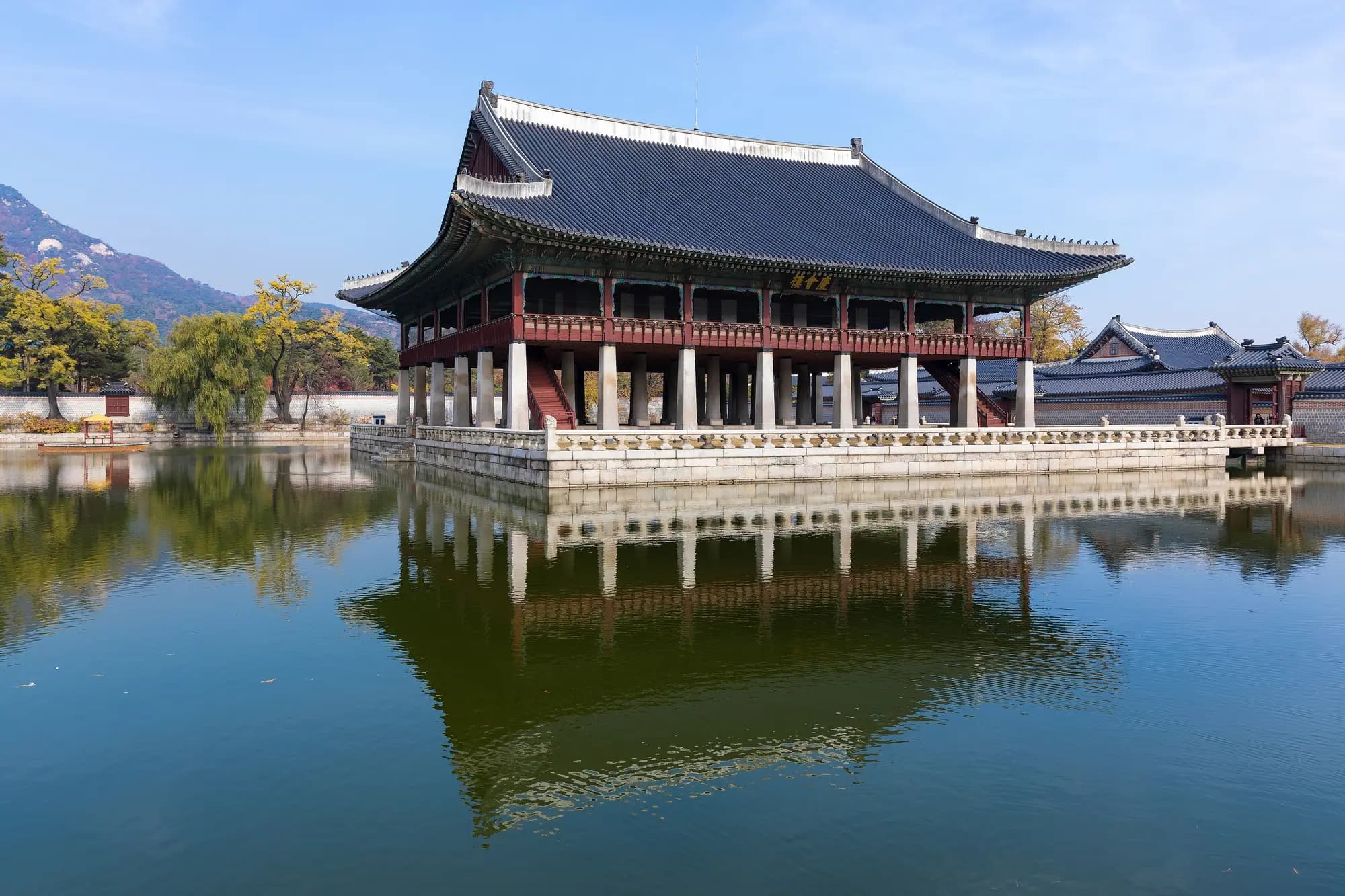
South Korea has Seoul's palaces and hanok villages, K-pop and K-drama locations, Myeongdong for skincare shopping, Busan's beaches and Jeju's volcanic scenery. It suits a 5–6 night city-focused trip. See things to do in South Korea.
Seasons
Japan's cherry blossom runs from late March to early April, and autumn colours peak in November. Avoid Golden Week (late April–early May) for crowds and June for the rainy season. Korea's blossoms arrive in early April and its autumn colours in October–November; Seoul winters can drop below −10°C. See best time to visit Japan.
Can you combine Japan and South Korea?
Yes. Flights of about 2 hours link Seoul with Tokyo and Osaka, and Busan to Fukuoka is under an hour by air. A 10–11 night plan of 4 nights in Korea and 6–7 nights in Japan works well, but you need both visas before leaving India.
Frequently asked questions
Is Japan or South Korea cheaper for Indians?
Is Japan good for vegetarians?
Do Indians need a visa for Japan and South Korea?
When is the best time to visit Japan and Korea?
How we checked this page
Last reviewed
Written and fact-checked by the Elitech Travels editorial desk in New Delhi, drawing on our consultants' day-to-day booking work and the official sources below. Rules, fares and fees change — always confirm anything critical with the issuing authority before you travel. Our editorial policy.