Quick answer
Plan India's pilgrimage circuits in regional clusters rather than in scriptural order. Char Dham needs 10–12 days between May and October, with mandatory registration; avoid the July–August landslides. The 12 Jyotirlingas split into five or six short trips. The Buddhist circuit takes seven to nine days from October to March, and the Sikh Takhts and Jain tirths pair well with nearby cities.
Key takeaways
- Char Dham opens around Akshaya Tritiya (April–May) and closes between Diwali and November; registration is mandatory and Kedarnath helicopters are sold only on IRCTC HeliYatra.
- Split the 12 Jyotirlingas into regional clusters; all twelve take about 18–22 travel days in total.
- The Buddhist circuit, from Bodh Gaya to Lumbini, works best from October to March in seven to nine days; Indians need only a passport or voter ID for Lumbini.
- Book festival dates such as Navratri and Shravan early, and use only official portals for registrations, aarti slots and helicopters.
How should you plan a pilgrimage circuit?
Scriptural lists rarely follow geography. The 12 Jyotirlingas are spread across eight states, and the Sikh Takhts run from Punjab to Maharashtra. The practical approach is to split each circuit into regional clusters, travel by train or flight between them, and match each cluster to its season. Four other things shape the plan: fitness (treks and altitude), registrations and permits, crowd peaks around festivals and school holidays, and where you will sleep, from temple-trust dharamshalas to state tourism lodges.
How do you plan the Char Dham Yatra?
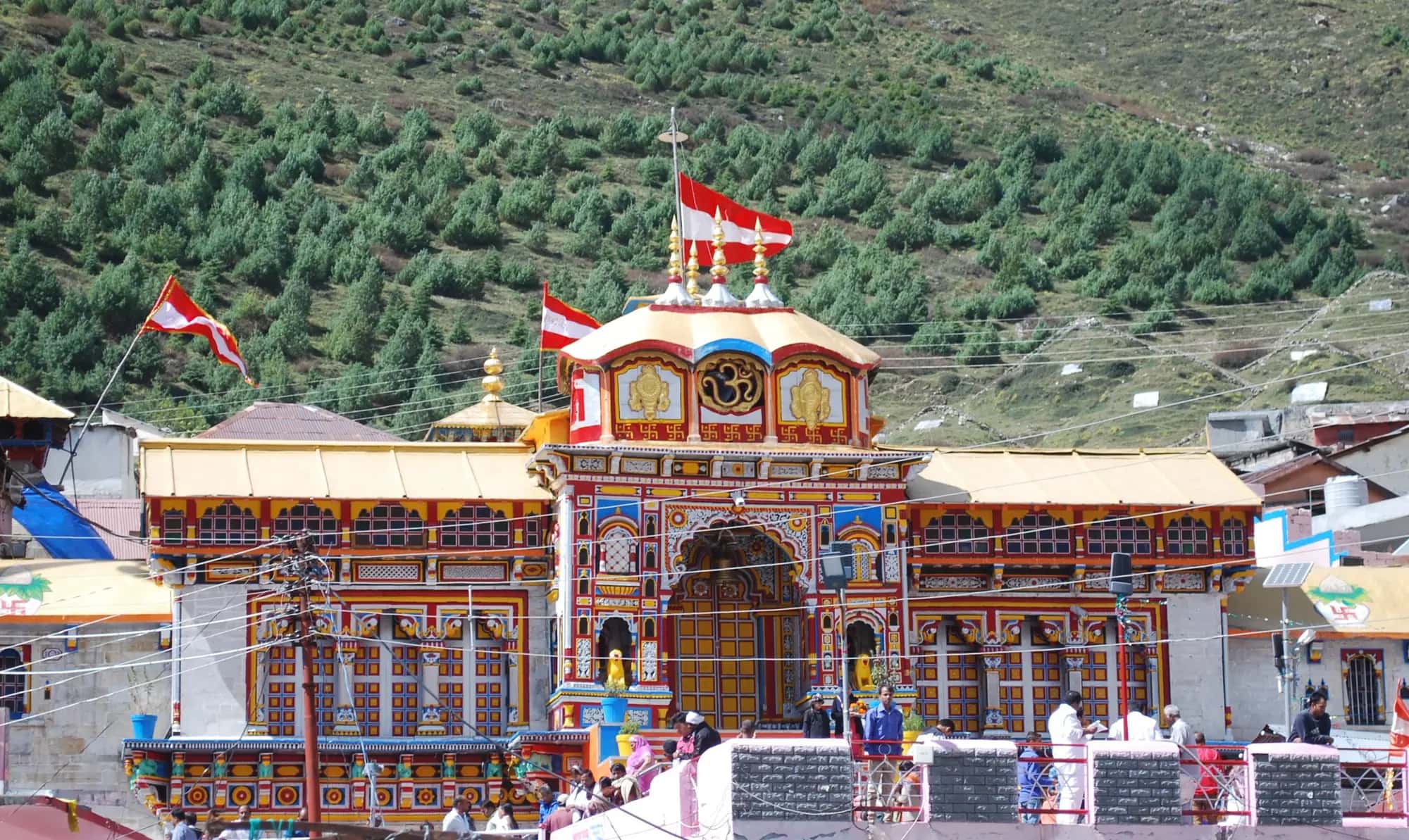
The Char Dham of Uttarakhand (Yamunotri, Gangotri, Kedarnath and Badrinath) is open for only about six months. Yamunotri and Gangotri open on Akshaya Tritiya in April or May, and Kedarnath and Badrinath a few days later. Gangotri closes around Diwali, Kedarnath and Yamunotri on Bhai Dooj, and Badrinath in mid-to-late November.
- Registration is mandatory for every pilgrim, online on the Uttarakhand government's portal or at counters in Haridwar and Rishikesh.
- Days: 10–12 from Haridwar, Rishikesh or Dehradun for all four; five or six for Kedarnath and Badrinath only (Do Dham).
- Treks: about 6 km to Yamunotri from Janki Chatti and about 16–18 km to Kedarnath from Gaurikund, with ponies, palkis and porters available. Gangotri and Badrinath are reached by road.
- Helicopters to Kedarnath fly from Phata, Sersi and Guptkashi and are sold only through the official IRCTC HeliYatra portal. Fake booking websites are common, so never pay through a link sent on WhatsApp.
- Best months: mid-May to June (busiest) and mid-September to October (clearer and calmer). July and August bring landslides and road closures.
The Char Dham trip cost starts around ₹21,000 per person for 10 nights on a budget, and the best time to visit Char Dham covers each month.
How do you cover the 12 Jyotirlingas?
Few people visit all twelve in one trip. Group them by region:
| Cluster | Jyotirlingas | Base | Days |
|---|---|---|---|
| Madhya Pradesh | Mahakaleshwar (Ujjain), Omkareshwar | Indore | 2–3 |
| Maharashtra | Trimbakeshwar, Bhimashankar, Grishneshwar | Nashik, Pune, Chhatrapati Sambhajinagar | 4–5 |
| Gujarat | Somnath, Nageshwar (near Dwarka) | Rajkot, Dwarka | 3–4 |
| Uttar Pradesh and Jharkhand | Kashi Vishwanath (Varanasi), Baidyanath (Deoghar) | Varanasi, Deoghar | 2 + 2 |
| South India | Mallikarjuna (Srisailam), Ramanathaswamy (Rameswaram) | Hyderabad, Madurai | 2 + 2 |
| Uttarakhand | Kedarnath | Haridwar, Rishikesh | 4–5 (May–November only) |
Some traditions place Baidyanath at Parli and Nageshwar at Aundha, both in Maharashtra, and many pilgrims visit those too. Across all clusters, allow 18–22 travel days. The Bhasma Aarti at Ujjain's Mahakaleshwar needs advance booking through the temple's official channels, and Kashi Vishwanath in Varanasi does not allow phones inside, so use the lockers. See things to do in Varanasi.
How do you visit the Shakti Peeths?
Texts list 51 Shakti Peeths (some say 52 or 108), several of them now in Pakistan, Bangladesh, Nepal and Tibet. The practical circuits within India are:
- Himachal's Devi circuit: Naina Devi, Chintpurni, Jwalamukhi, Brajeshwari (Kangra) and Chamunda, four or five days by road from Chandigarh, often combined with Vaishno Devi.
- Vaishno Devi (Jammu & Kashmir): a walk of about 12–13 km from Katra, with ponies, palkis and a helicopter to Sanjichhat. An RFID yatra card is compulsory, and Vande Bharat trains run from Delhi to Katra. Book through the Shrine Board's official website.
- Kamakhya (Guwahati): busiest during the Ambubachi Mela in June, when the temple closes for three days.
- Kalighat and Tarapith (West Bengal), Ambaji (Gujarat) and Vishalakshi (Varanasi) fit into wider trips.
Navratri, in March–April and September–October, brings the biggest crowds and the most atmosphere.
How do you plan the Buddhist circuit?
The core sites are Bodh Gaya, Rajgir, Nalanda and Vaishali in Bihar, Kushinagar, Sarnath and Shravasti in Uttar Pradesh, and Lumbini, just across the border in Nepal. Allow seven to nine days between October and March; Bihar and eastern Uttar Pradesh cross 40 °C from April. Fly into Gaya or Patna and out of Varanasi, or use Kushinagar's airport. Indians need no visa for Lumbini, but carry a passport or voter ID; see the Nepal entry rules. IRCTC has run a seasonal Buddhist Circuit tourist train for those who prefer a fixed itinerary.
What are the main Sikh and Jain circuits?
Sikh Takhts. Akal Takht in Amritsar, Takht Sri Keshgarh Sahib at Anandpur Sahib and Takht Sri Damdama Sahib at Talwandi Sabo can be covered in three or four days from Amritsar or Chandigarh; see the best time to visit Amritsar. Patna Sahib and Hazur Sahib at Nanded are separate trips by train or flight. Hemkund Sahib in Uttarakhand, at over 4,000 m, is open from about late May to early October. It is a trek of roughly 16–19 km each way from Govindghat with a night at Ghangaria, and needs the same Uttarakhand registration as Char Dham. The Kartarpur Corridor to Pakistan had been suspended since May 2025 at the time of review.
Jain tirths. Shikharji (Parasnath hill, Jharkhand) involves a pre-dawn start and a round trip of about 27 km on foot or by doli. Palitana's Shatrunjaya hill in Gujarat has over 3,500 steps and is closed to climbing during the monsoon months of Chaturmas. Girnar near Junagadh has had a ropeway since 2020. Ranakpur and Dilwara (Mount Abu) are marble temples in Rajasthan with restricted visiting hours for tourists. Shravanabelagola in Karnataka holds the Mahamastakabhisheka of Gommateshwara every 12 years, last in 2018. Bhojanshalas at most tirths serve food prepared to Jain rules.
Which rules apply across every circuit?
- Book dharamshalas, temple-trust guest houses and state tourism lodges early for festival dates.
- Carry original photo ID; registrations and helicopter tickets are checked against it.
- Respect dress codes and leather restrictions, and expect phone bans inside major sanctums.
- Use only official portals for registrations, aarti slots and helicopters.
Senior pilgrims should plan the trekking days first and build the rest of the trip around them. A rest day after Kedarnath or Vaishno Devi makes the next leg far more comfortable. Our pilgrimage tour packages are planned this way.
Frequently asked questions
What is the best time for the Char Dham Yatra?
Is registration compulsory for the Char Dham Yatra?
How many days do I need to visit all 12 Jyotirlingas?
Can senior citizens do the Kedarnath trek?
Do Indians need a visa for Lumbini?
How do I book a Kedarnath helicopter safely?
How we checked this page
Last reviewed
Written and fact-checked by the Elitech Travels editorial desk in New Delhi, drawing on our consultants' day-to-day booking work and the official sources below. Rules, fares and fees change — always confirm anything critical with the issuing authority before you travel. Our editorial policy.