Quick answer
For May–June, the coolest dependable hill stations are Darjeeling, Gangtok, Ooty and Kodaikanal, with daytime highs of about 19–23 °C, followed by Shillong, Manali, Mussoorie, Nainital and Shimla at roughly 23–27 °C. The famous Himalayan towns are badly crowded on weekends; Mukteshwar, Chakrata, Tirthan, Lava and Coonoor give the same relief with fewer queues. South Indian hills turn wet from early June.
Key takeaways
- Darjeeling, Gangtok, Ooty and Kodaikanal stay coolest in May, with highs around 19–23 °C; Mount Abu, at 32–34 °C, barely beats the plains.
- Shimla, Manali, Mussoorie and Nainital are pleasant but jammed on weekends from mid-May to June; go midweek or choose a quieter neighbour.
- Vehicles entering Ooty and Kodaikanal need an e-pass, with caps on numbers at times, so register before you drive.
- The monsoon reaches Kerala's hills around 1 June, the North-East in early June, and Himachal and Uttarakhand by late June; time your trip around it.
Which hill stations stay coolest in May and June?
Altitude and latitude decide it. The eastern Himalaya and the Nilgiris stay coolest; Rajasthan's Mount Abu and the lower Shivaliks are only a few degrees better than the plains. The figures below are typical May daytime highs (long-term averages); nights are 8–12 °C cooler.
| Hill station | Altitude | Typical May high | Crowds in May–June | Watch out for |
|---|---|---|---|---|
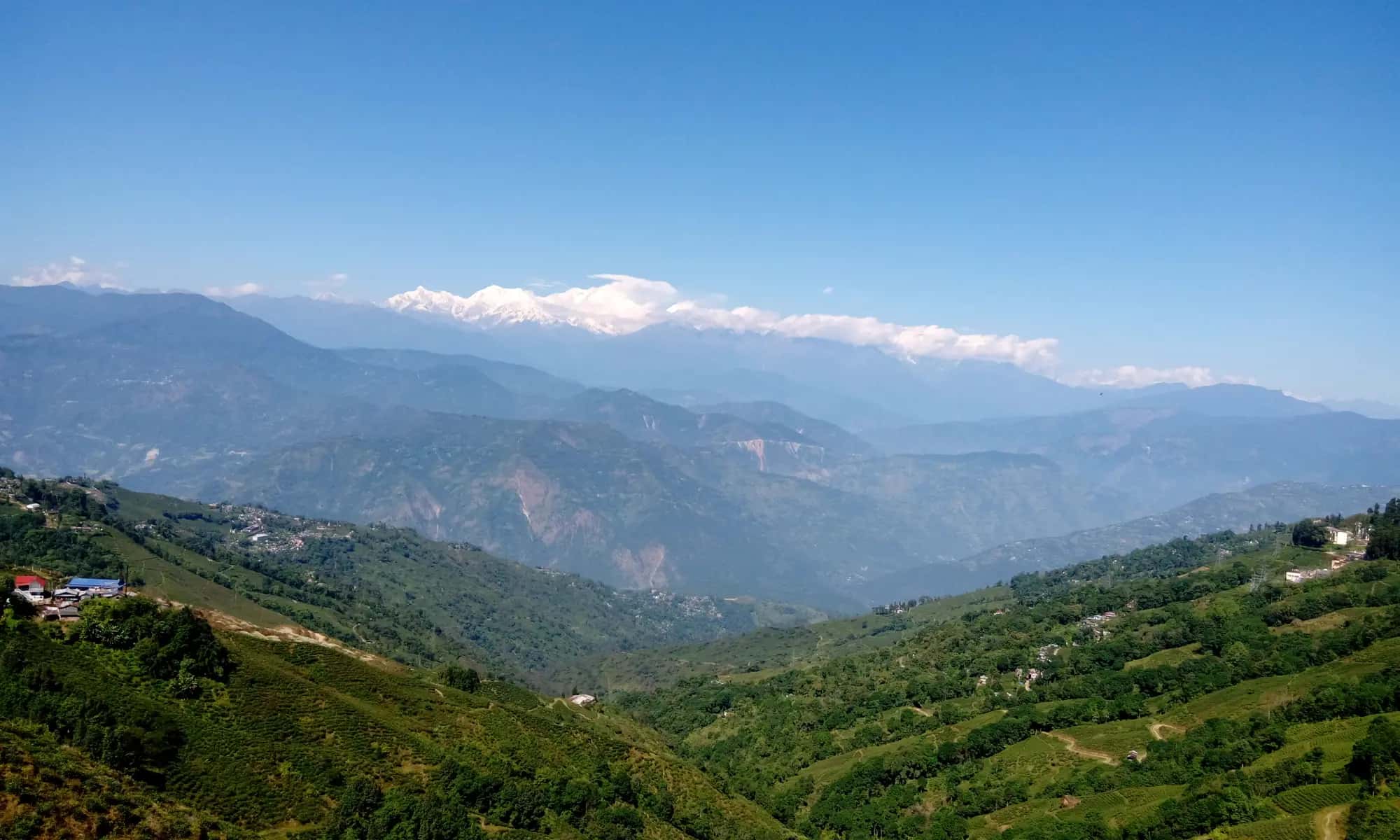
| Darjeeling | About 2,050 m | 19–21 °C | High | Pre-monsoon cloud often hides Kanchenjunga |
| Gangtok | About 1,650 m | 21–23 °C | High | Rain builds from late May; landslides in June |
| Ooty | About 2,240 m | 21–23 °C | Very high | Vehicle e-pass; weekend jams |
| Kodaikanal | About 2,130 m | 20–22 °C | High | Vehicle e-pass; weekend traffic on the ghat roads |
| Shillong | About 1,500 m | 23–24 °C | Medium | Heavy pre-monsoon rain around Sohra |
| Munnar | About 1,500–1,600 m | 24–26 °C | Medium | Monsoon arrives in early June |
| Manali | About 2,050 m | 24–26 °C | Very high | Jams towards Solang and the Atal Tunnel |
| Mussoorie | About 2,000 m | 24–26 °C | Very high | Weekend traffic from Dehradun |
| Nainital | About 2,080 m | 24–26 °C | Very high | Parking limits; crowded Mall Road |
| Shimla | About 2,200 m | 25–27 °C | Very high | Traffic; water shortages in dry summers |
| Mount Abu | About 1,220 m | 32–34 °C | High | Barely cooler than the plains |
Month-by-month detail is on our pages for Darjeeling, Ooty, Shimla, Manali and Nainital.
Why are the famous hill stations so crowded?
Delhi, Chandigarh and Punjab head for Shimla, Manali, Mussoorie and Nainital; Kolkata for Darjeeling and Gangtok; Chennai and Bengaluru for Ooty and Kodaikanal; Gujarat for Mount Abu. They all do it in the same six weeks, from mid-May to the end of June, and mostly from Friday to Sunday. The roads and water supply were built for a fraction of today's visitors.
On summer weekends, expect hours-long queues on the approach roads, hotel rates at their annual peak, and town centres where crossing a kilometre can take an hour. Shimla has faced water rationing in dry summers. Nainital diverts outside vehicles to parking lots when the town is full. Ooty and Kodaikanal now require an e-pass for every vehicle, a system introduced in 2024, with daily caps on numbers at times.
Which quieter hill stations give the same relief?
| Instead of | Try | Why |
|---|---|---|
| Shimla | Narkanda, Sarahan, or Sangla and Kalpa in Kinnaur | Higher and cooler, apple orchards, far less traffic |
| Manali | Tirthan Valley, Jibhi, Shoja or Barot | River valleys, homestays, trout streams |
| Mussoorie | Chakrata or Kanatal | Forest and quiet, 2–3 hours from Dehradun |
| Nainital | Mukteshwar, Ramgarh or Binsar | Himalayan views, orchards, few crowds |
| Darjeeling | Lava, Rishop or Lepchajagat | Forest villages with Kanchenjunga views |
| Ooty | Coonoor or Kotagiri | The same Nilgiri climate in calmer towns |
| Kodaikanal | Meghamalai | Tea estates and empty roads, slightly warmer |
The trade-off is fewer restaurants, simpler hotels and, in places, patchy mobile signal. For most families that is a fair swap for not spending half the holiday in traffic.
When in May and June should you go?
- Himachal, Uttarakhand and Kashmir: May to mid-June. The monsoon usually reaches the western Himalaya in late June, and July–August bring landslides. Kashmir's Gulmarg, Pahalgam and Sonamarg are lovely in June, but Pahalgam fills up when the Amarnath Yatra begins, usually in late June or early July.
- Darjeeling, Sikkim and Meghalaya: April to mid-May is clearest. Rain builds from late May, and the monsoon arrives in early June.
- Ooty, Kodaikanal, Munnar and Coorg: April and May. The south-west monsoon reaches Kerala around 1 June; Munnar and Coorg turn very wet, while Ooty and Kodaikanal get less rain but plenty of mist. Our things to do in Munnar list includes indoor options for wet days.
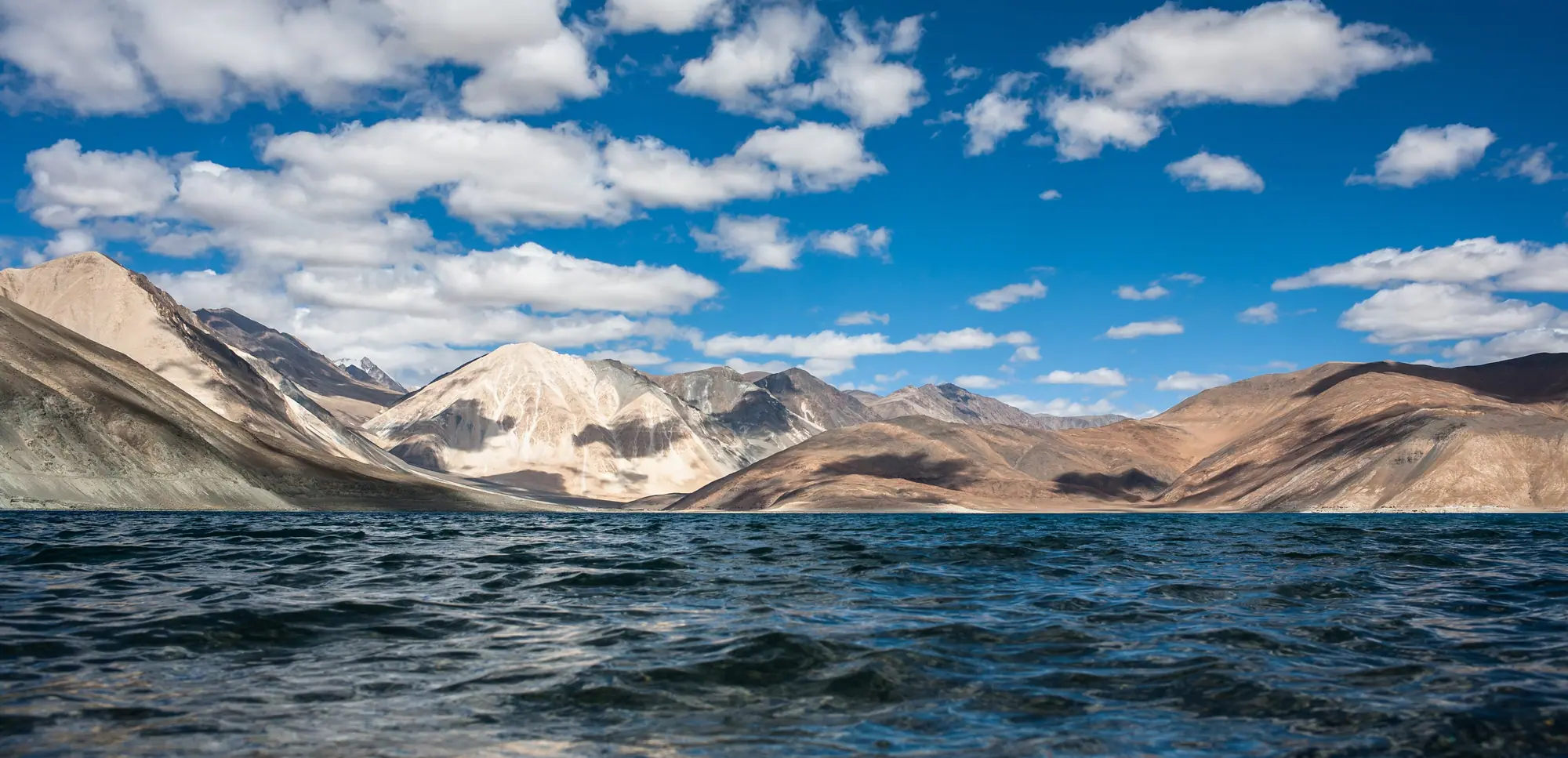
- Ladakh and Spiti: June. These are high-altitude deserts rather than hill stations, with days of 20–25 °C, strong sun and cold nights, and the roads open fully by June. See the best time to visit Ladakh.
How do you beat the crowds?
- Travel Monday to Thursday, and arrive before 10 a.m. or after 7 p.m.
- Stay three or more nights in one place and explore on foot; most of the crowding is on the roads, not the trails.
- Book homestays a few kilometres outside the town centre, with their own parking.
- Take the train where you can. The Kalka–Shimla line, the Nilgiri Mountain Railway to Ooty and the Darjeeling toy train are UNESCO-listed routes that skip road jams, but seats sell out as soon as reservations open.
- Avoid long weekends, and check whether your own state's school holidays line up with your dates.
If you must drive up on a weekend, leave Delhi by 4 a.m. for Shimla, Mussoorie or Nainital. The difference between a 4 a.m. and an 8 a.m. start can be three hours or more on the hill roads.
What does a summer hill-station trip cost?
May and June are peak season, so expect the year's highest hotel rates. As a guide, five nights land only, per person, twin sharing in 3★–4★ hotels, starts around ₹15,000 for Himachal, ₹17,000 for Kashmir, ₹18,000 for Sikkim and Darjeeling (see the Sikkim trip cost), and ₹19,000 for Meghalaya or Kerala's Munnar circuit. Add flights or trains on top. Booking by March, or choosing one of the quieter alternatives above, is the simplest way to keep the cost down.
Which hill station suits which kind of trip?
Families with young children do well in Ooty, Darjeeling or Mussoorie, where toy trains, lakes and gardens fill the days. Couples who want quiet should look at Coonoor, Mukteshwar, Lava or Tirthan. Groups who want activity, from paragliding to river rafting, will find the most in Manali and the Beas valley. Browse our India tour packages for summer departures.
Frequently asked questions
Which is the coolest hill station in India in May?
Is Shimla or Manali better in June?
Which hill stations near Delhi are less crowded in summer?
Do I need an e-pass for Ooty and Kodaikanal?
Is June a good time for Darjeeling or Munnar?
Which hill station is best for a family summer holiday?
How we checked this page
Last reviewed
Written and fact-checked by the Elitech Travels editorial desk in New Delhi, drawing on our consultants' day-to-day booking work and the official sources below. Rules, fares and fees change — always confirm anything critical with the issuing authority before you travel. Our editorial policy.