Quick answer
For near-certain snow, go to Gulmarg between late December and early March. Solang and Sissu near Manali, Auli, Tawang and Sikkim's Tsomgo Lake are also reliable in January and February. From April to June, snow survives only at height: Gulmarg's Apharwat ridge, Sonamarg's Thajiwas glacier, Rohtang Pass and Ladakh's high passes. Shimla's snowfall is unreliable.
Key takeaways
- Gulmarg is the surest snow from late December to early March, and its gondola reaches snow until May.
- Snow at 2,000 m melts within days; above about 2,600 m it usually lasts all winter, so go high for fixed-date trips.
- Solang and Sissu (via the Atal Tunnel), Auli, Tawang and Tsomgo Lake are reliable in January and February.
- Shimla, Mussoorie and Nainital get snow only in occasional spells, and in some winters not at all.
- For snow in May–June, go to Gulmarg's Apharwat, Sonamarg's Thajiwas glacier, Rohtang Pass or Ladakh's high passes.
When does it snow in India?
Most of India's snow arrives with western disturbances, weather systems that sweep in from the west between December and March. The first snow often dusts the high passes in November, and the main falls at hill resorts come in January and February. Two things decide whether you see snow on a trip: altitude and timing. Snow at 2,000 m melts within days of a fall; above about 2,600 m it usually lies all winter. For a trip on fixed dates, go high.
Where can you see snow in winter?
| Place | Altitude | Reliable snow | Winter road access | Nearest airport |
|---|---|---|---|---|
| Gulmarg (J&K) | About 2,650 m; gondola to nearly 4,000 m | Late Dec–early Mar | Open from Srinagar, about 50 km; 4x4 or chains after fresh snow | Srinagar |
| Sonamarg (J&K) | About 2,800 m | Dec–Mar | Reachable in winter via the Z-Morh tunnel, subject to closures | Srinagar |
| Pahalgam (J&K) | About 2,200 m | Jan–Feb | Open | Srinagar |
| Solang and Sissu (Himachal) | About 2,500 m and 3,100 m | Jan–Feb | Via Manali; Sissu through the Atal Tunnel when open | Kullu (Bhuntar), Chandigarh |
| Auli (Uttarakhand) | About 2,500–3,000 m | Jan–Mar | Road from Joshimath | Dehradun |
| Chopta (Uttarakhand) | About 2,700 m | Jan–Mar | Often blocked after heavy snow | Dehradun |
| Tawang and Sela Pass (Arunachal) | About 3,000 m; Sela about 4,170 m | Dec–Mar | Sela tunnel helps; Inner Line Permit needed | Guwahati, Tezpur |
| Tsomgo Lake (Sikkim) | About 3,750 m | Jan–Apr | Permit needed; shut after heavy snow | Bagdogra, Pakyong |
| Shimla, Kufri, Narkanda (Himachal) | 2,200–2,700 m | Unreliable; a few spells in Jan–Feb | Open, with jams after snowfall | Chandigarh |
Gulmarg: the surest bet
Gulmarg is India's most reliable snow destination and its best ski slope. The gondola's first phase rises to Kongdoori at about 3,080 m, and the second phase climbs to the Apharwat ridge at nearly 4,000 m, where snow often lasts into May. Buy gondola tickets online in advance; counter tickets are limited and January queues are long. See the best time to visit Gulmarg and things to do in Gulmarg. Most trips pair it with Srinagar and Pahalgam, and the Kashmir trip cost starts around ₹17,000 per person for five nights, land only.
Manali, Solang and Sissu
Manali town (about 2,050 m) gets snow only in some spells, but Solang (about 2,500 m) holds it more reliably in January and February, and the Atal Tunnel takes you to Sissu in Lahaul, where snow lies for most of the winter. The tunnel closes after heavy snowfall and police restrict traffic at times, so keep a spare day. In snow season, local taxi unions run the vehicles to Solang and the tunnel. See the best time to visit Manali and the Manali trip cost.
Auli and Chopta
Auli has ski slopes and views of Nanda Devi from January to March. The Joshimath–Auli ropeway has been out of service for long stretches since the 2023 land subsidence in Joshimath, so plan on going up by road. Chopta, the base for the Tungnath trek, is quieter, with deep snow but basic stays.
Sikkim and Arunachal
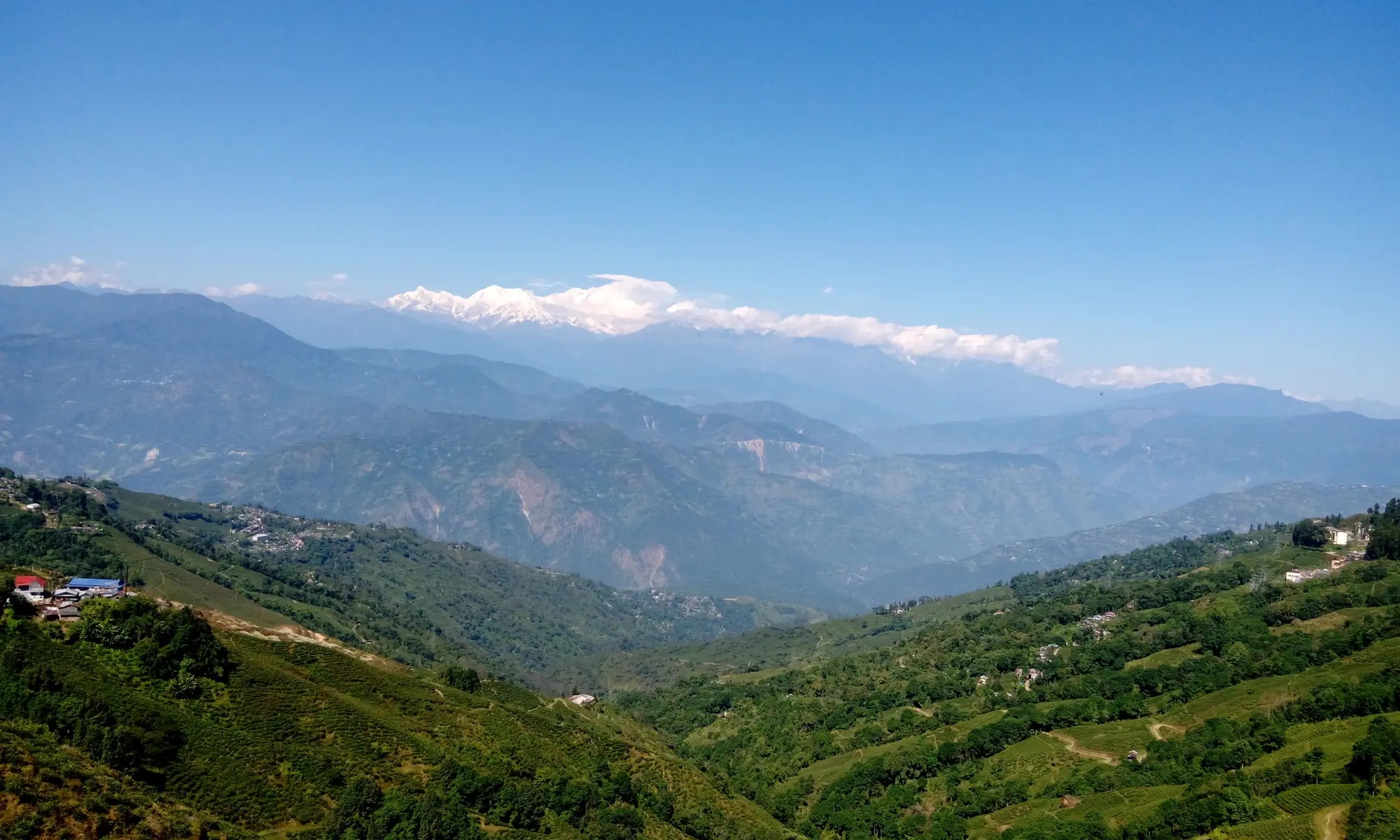
From Gangtok, Tsomgo Lake and Nathu La (about 4,310 m) are snowy from January to April. Both need permits arranged through a registered operator, and Nathu La is open only to Indian nationals, on selected days of the week. In Arunachal, the drive to Tawang crosses Sela Pass at about 4,170 m; the Sela tunnel, opened in 2024, has made winter access more dependable. See the best time to visit Sikkim.
Where can you see snow in April, May and June?
- Gulmarg's Apharwat ridge: the second phase of the gondola reaches snow into May, with patches into June.
- Sonamarg's Thajiwas glacier: a pony ride or walk from Sonamarg reaches old snow until June.
- Rohtang Pass (about 3,980 m): usually opens from mid-May once the Border Roads Organisation clears it. Vehicles need an online permit, numbers are capped, and the pass has typically been closed one day a week.
- Zero Point, North Sikkim (about 4,700 m): snowy in April and May, but access beyond Lachung has been disrupted repeatedly by landslides since the 2023 Teesta floods, so check before booking.
- Ladakh's high passes: Khardung La and Chang La keep walls of snow beside the road into June.
Do hill stations near Delhi get snow?
Shimla, Kufri, Mussoorie, Dhanaulti and Nainital get snow in some winters, usually in a few short spells between late December and February, and in other winters not at all. Don't book a snow trip to these towns on fixed dates. If a western disturbance is forecast, a short-notice trip can work; Kufri and Narkanda, about 360–420 km from Delhi, see snow more often than Shimla town.
Which snow destination suits whom?
Families with young children do best at Gulmarg or Solang, where snow is a short walk or ride from the hotel and medical help is not far away. Skiers should head to Gulmarg first, then Auli. Couples who want snow with comfort can pair Gulmarg with a houseboat night in Srinagar. Travellers who want empty, high landscapes should consider Tawang or Lahaul, accepting longer and slower road days.
What should you know about roads and safety?
- After fresh snow, roads to Gulmarg, Solang and Tsomgo are often open only to 4x4s or cars with chains, run by local taxi unions. Your own driver may have to hand over.
- Rent snow boots and jackets at Tangmarg, Solang or Gangtok for a few hundred rupees a day rather than buying them.
- At 3,700 m and above (Tsomgo, Nathu La, Sela, Apharwat), don't linger more than an hour or two if you have come straight up, and skip these with infants or heart conditions.
- Carry sunglasses and sunscreen. Snow glare at altitude burns skin and eyes quickly, even on cloudy days.
- Keep one or two buffer days. Snow closes airports and roads at short notice.
Snow looks its best within two or three days of a fresh fall. Watch the IMD forecasts for western disturbances and, if you can, keep your booking flexible by a few days.
Frequently asked questions
Which is the best place to see snow in India in December?
Where can I see snow in India in May or June?
Does Shimla get snow?
Is Gulmarg or Manali better for snow?
Do I need a permit to see snow at Rohtang Pass?
Which snow destination is closest to Delhi?
How we checked this page
Last reviewed
Written and fact-checked by the Elitech Travels editorial desk in New Delhi, drawing on our consultants' day-to-day booking work and the official sources below. Rules, fares and fees change — always confirm anything critical with the issuing authority before you travel. Our editorial policy.