Quick answer
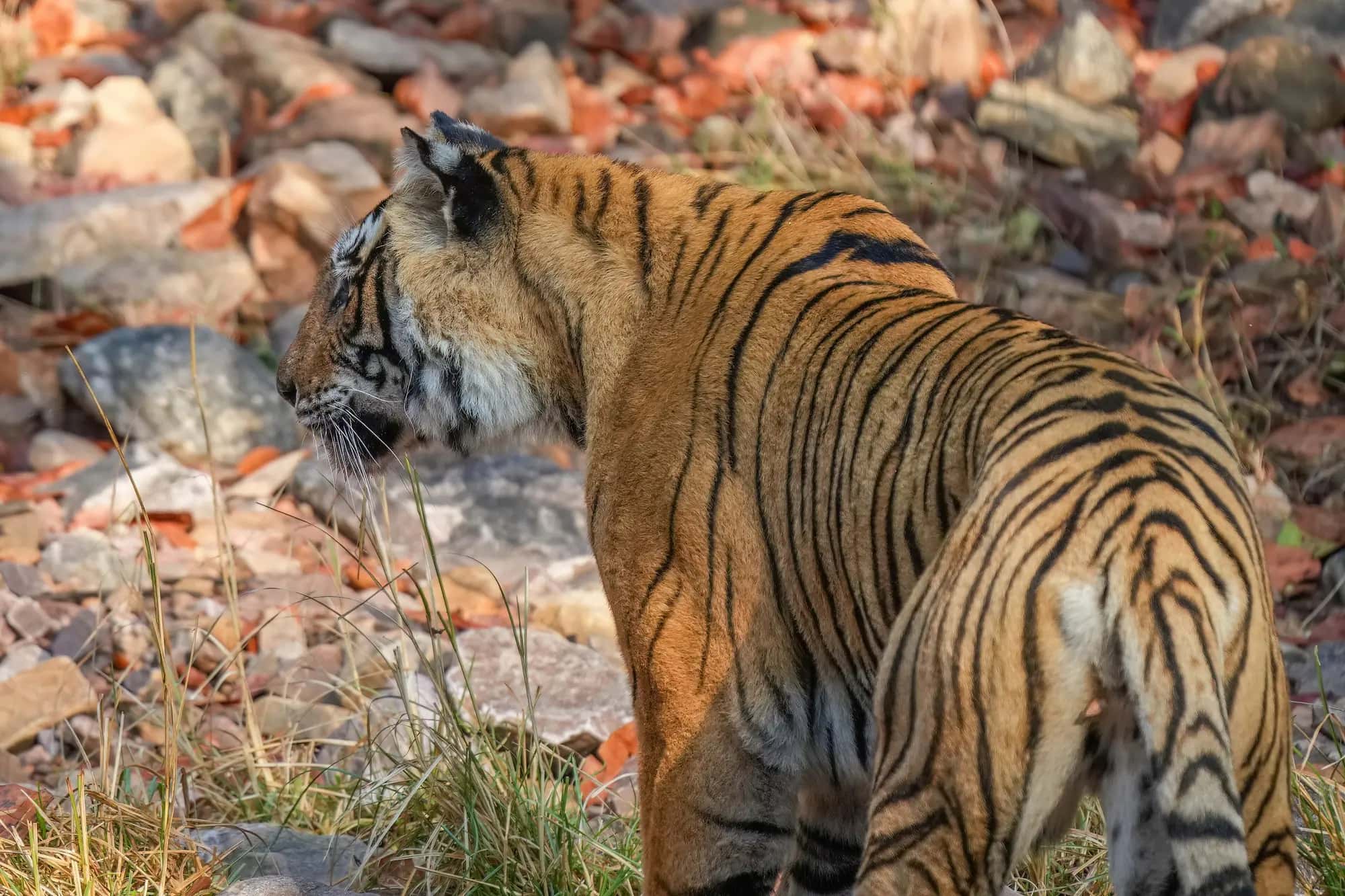
For tigers, Bandhavgarh, Tadoba, Ranthambore, Kanha, Pench and Corbett give the best odds, ideally from March to May when animals gather at water. Kaziranga is the place for one-horned rhinos, Gir for Asiatic lions and Kabini for leopards and elephants. Core zones of most tiger parks open around 1 October and close for the monsoon from July; book permits early on official forest portals.
Key takeaways
- Central India (Bandhavgarh, Kanha, Pench, Tadoba) and Ranthambore give the best tiger odds; plan four to six drives over two or three nights.
- March to May is the best season for sightings; October–November is greener but harder, and December–February mornings are very cold in an open jeep.
- Core zones in most tiger reserves close from July to September, while some buffer zones, Corbett's Jhirna and Kabini stay open.
- Book permits only on official state forest portals; top zones for Diwali, New Year and April–May weekends sell out quickly.
Which national park should you choose?
Choose by animal first, then by season and how far you are willing to travel. Tigers are the main draw, and central India gives the best odds. For rhinos, lions, leopards or snow leopards, there is one clear choice each.
| Park (state) | Best for | Core season | Best months for sightings | Nearest hub |
|---|---|---|---|---|
| Ranthambore (Rajasthan) | Tigers, fort ruins, lakes | Oct–Jun | Mar–May; Nov–Feb for comfort | Sawai Madhopur (train from Delhi or Jaipur) |
| Bandhavgarh (MP) | High tiger density | Oct–Jun | Mar–May | Umaria; Jabalpur about 170–200 km |
| Kanha (MP) | Tigers, barasingha, sal forest | Oct–Jun | Feb–May | Jabalpur, about 160–175 km |
| Pench (MP and Maharashtra) | Tigers, leopards, short transfers | Oct–Jun | Feb–May | Nagpur, about 90 km |
| Tadoba-Andhari (Maharashtra) | Tigers; buffer open in monsoon | Oct–Jun | Mar–May | Nagpur, about 140 km |
| Jim Corbett (Uttarakhand) | Tigers, elephants, Dhikala forest lodges | Dhikala mid-Nov to mid-Jun; Jhirna all year | Feb–May | Delhi, about 260 km |
| Kaziranga (Assam) | One-horned rhino, elephants, birds | Roughly Oct/Nov–Apr | Feb–Apr | Jorhat or Guwahati |
| Gir (Gujarat) | Asiatic lions | Mid-Oct to mid-Jun | Dec–Apr | Rajkot, Keshod or Diu |
| Kabini and Nagarhole (Karnataka) | Leopards, elephants, rare black panther | Most of the year | Oct–May | Mysuru, about 80 km |
| Hemis (Ladakh) | Snow leopard | Winter expeditions | Feb–Mar | Leh |
Beyond the big names, a few parks offer something different. Satpura in Madhya Pradesh allows walking, canoe and boat safaris. Keoladeo at Bharatpur is one of Asia's great bird reserves from November to February. The Little Rann of Kutch has herds of Indian wild ass from October to March. The Sundarbans are explored by boat through the mangroves from November to February, though tiger sightings there are rare. Periyar in Kerala offers lake cruises and guided forest walks.
How do safari zones work?
Every tiger reserve is split into a core, the protected heart with a limited number of vehicles, and a buffer around it. Within each, the forest is divided into zones or gates, and your permit is for one zone on one drive, morning or afternoon. Sightings vary by zone and by year as tigers shift territory, so there is no permanent 'best zone'.
The names help when booking: Ranthambore's zones 1–10, of which the original 1–5 are usually the most sought after; Bandhavgarh's Tala, Magadhi and Khitauli; Kanha's Kanha, Kisli, Mukki and Sarhi; Tadoba's Moharli, Kolara, Navegaon and Khutwanda gates; Corbett's Dhikala, Bijrani, Jhirna, Dhela and Durga Devi; and Kaziranga's Central (Kohora), Western (Bagori), Eastern (Agaratoli) and Burapahar ranges.
Book a mix of zones across three or four drives rather than repeating one. And treat every sighting as luck: even in the best parks, a tiger on two drives out of four is a good result.
When should you go on safari?
- October–November: Parks reopen after the monsoon. The forest is lush and the weather pleasant, but tall grass makes sightings harder.
- December–February: Mornings in an open jeep in central India and Corbett often start at 3–8 °C, with mist. Good for birds and comfortable afternoons; pack gloves, a cap and layers.
- March–May: The best months for tigers. Water is scarce, grass is low and animals come to waterholes. Afternoons cross 40 °C, so carry water and a scarf.
- July–September: Core zones in central India, Rajasthan and Corbett close for the monsoon. Some buffer zones, Corbett's Jhirna and Kabini stay open for green-season drives.
Weekly closures apply too. Tadoba's core zone has been closed on Tuesdays and Madhya Pradesh's reserves on Wednesday afternoons, and parks often close on Holi, so check before you plan.
How far ahead should you book, and what does it cost?
Safari permits are sold on official state portals: the Rajasthan forest department's site for Ranthambore, MP Online for Kanha, Bandhavgarh, Pench and Satpura, Maharashtra's portal for Tadoba, the Corbett Tiger Reserve's website for Corbett, and Gujarat's Gir portal. Each opens bookings on its own schedule, typically weeks to a few months ahead. Top zones for Diwali, Christmas–New Year, Holi and April–May weekends can sell out within days of opening, and Corbett's Dhikala forest lodges are the hardest of all to get. Permits carry the names and ID numbers you book with, so carry the same original IDs.
As a rough guide, a full jeep for up to six people, including permit, vehicle and guide, costs about ₹6,000–12,000 per drive at the popular tiger reserves for Indian nationals, more in parks that charge weekend premiums. A seat in a shared canter or jeep costs less. Plan on four to six drives over two or three nights for a good chance of seeing a tiger.
If you only have a long weekend, pick a park close to a city: Ranthambore from Jaipur, Pench or Tadoba from Nagpur, Kabini from Bengaluru, or Corbett from Delhi. Spend the time on drives, not on roads.
What should you pack, and how should you behave?
- Neutral colours such as khaki, olive and brown; no bright white or red, and no perfume.
- Binoculars, a zoom lens, a scarf against dust, sunscreen and a cap.
- Warm layers from December to February; an open jeep at dawn is much colder than the forecast suggests.
- Stay seated, keep your voice low, never ask the driver to chase or crowd an animal, and carry your plastic out.
How does an Indian safari compare with Africa?
They are different trips. India is about the chase for one elusive animal in dense forest; East Africa is about big herds on open plains, where sightings are close to certain. Compare the Kenya trip cost and the Kenya eTA if you are weighing the two. For Indian parks, see the best time to visit Jim Corbett, things to do in Jim Corbett, the best time to visit Rajasthan for Ranthambore, and our wildlife safari tour packages.
Frequently asked questions
Which national park is best for tiger sighting in India?
When is the best time for a tiger safari in India?
Are national parks in India open during the monsoon?
How much does a jeep safari cost in India?
How far in advance should I book a safari?
Can you see a black panther at Kabini?
How we checked this page
Last reviewed
Written and fact-checked by the Elitech Travels editorial desk in New Delhi, drawing on our consultants' day-to-day booking work and the official sources below. Rules, fares and fees change — always confirm anything critical with the issuing authority before you travel. Our editorial policy.