Quick answer
Japan's cherry blossoms usually reach full bloom in Tokyo, Kyoto and Osaka between late March and early April, moving north to Tohoku in mid to late April and Hokkaido in early May. Exact dates shift with the weather, and the first forecasts appear in January. Book Kyoto and Tokyo hotels four to six months ahead, and keep your plans a little flexible.
Highlights
- Hanami picnics under the trees in Ueno Park and Shinjuku Gyoen
- Rowing boats under the blossoms at Chidorigafuchi in Tokyo
- Kyoto's Philosopher's Path and the weeping cherry in Maruyama Park
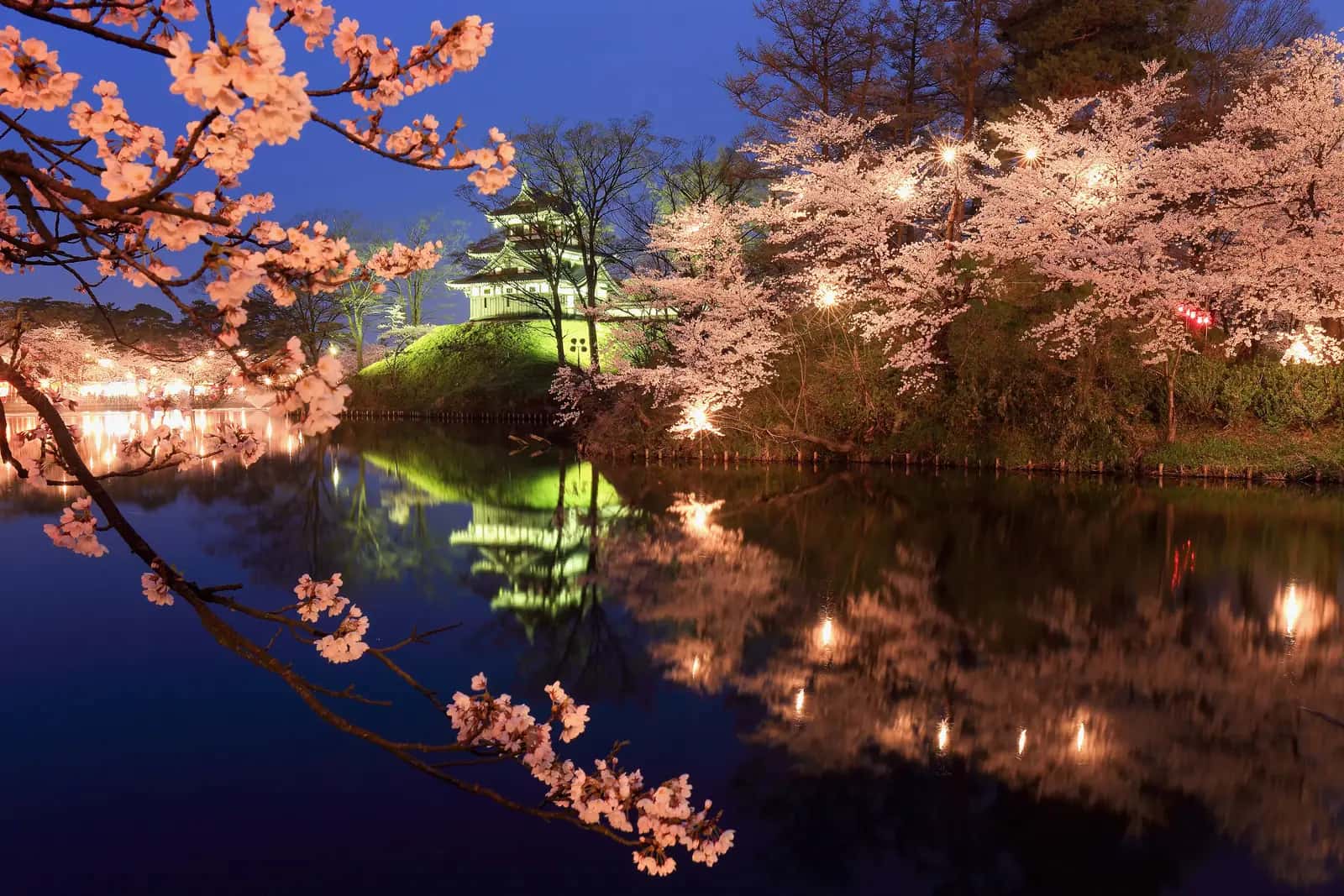
- Night-lit blossoms along the Meguro River and at Kyoto temples
- Castles framed by blossom at Osaka and Himeji
How the season works
Sakura bloom moves north through Japan like a wave, from Kyushu in late March to Hokkaido in early May. In Tokyo, Kyoto and Osaka, first blooms typically appear around 20–25 March and full bloom follows about a week later, lasting roughly a week before the petals fall. A warm or cold spell can shift everything by a week. The Japan Meteorological Agency records the official bloom, and private forecasters publish predictions from January, updating them weekly.
Where to see the blossoms
- Tokyo: Shinjuku Gyoen (paid entry, no alcohol), Ueno Park for picnic parties, Chidorigafuchi moat for rowing boats, and the Meguro River at night.
- Kyoto: the Philosopher's Path, Maruyama Park's weeping cherry, Arashiyama and Daigo-ji.
- Around Osaka: Osaka Castle park, Himeji Castle and Nara Park.
- Later blooms: Hirosaki Castle in late April and Hokkaido in early May, if you miss the main wave.
Planning dates and booking
For a 10–12 day trip, a window of about 24 March to 5 April gives the best chance across Tokyo and Kyoto. Book hotels four to six months ahead: small Kyoto doubles cost ₹15,000–30,000 a night in season and Tokyo business hotels ₹10,000–18,000. Return flights from Delhi or Mumbai to Tokyo typically cost ₹45,000–75,000. Budget about ₹1.5 lakh per person and up for a week with flights, twin sharing, 3★. Choose refundable rooms where you can. Indian passport holders need a Japan visa; apply about a month ahead and see our Japan visa guide.
Crowds and etiquette
Kyoto's famous spots are packed from 9 am to 5 pm, so go at sunrise or after dark, when many are lit. Do not shake branches, pick blossoms or climb trees. If you picnic, take your shoes off on the sheet, keep the noise down and carry your rubbish home, as bins are rare. Do not reserve a large spot for hours with tape.
Photography and what to wear
Tripods are banned or unwelcome at many busy spots. Days are 12–17°C and nights 5–8°C, so wear layers, a light down jacket and comfortable walking shoes, and carry a compact umbrella.
Combining it
Tokyo, Hakone or Kawaguchiko for Mount Fuji, Kyoto, Nara and Osaka make a classic ten-day loop by bullet train. See the best time to visit Japan, where to stay in Japan, things to do in Japan and our March ideas.
Frequently asked questions
When is cherry blossom season 2027 in Japan?
Is Tokyo or Kyoto better for cherry blossoms?
How far ahead should I book a cherry blossom trip to Japan?
Is it worth going if the bloom is early or late?
How we checked this page
Last reviewed
Written and fact-checked by the Elitech Travels editorial desk in New Delhi, drawing on our consultants' day-to-day booking work and the official sources below. Rules, fares and fees change — always confirm anything critical with the issuing authority before you travel. Our editorial policy.