Quick answer
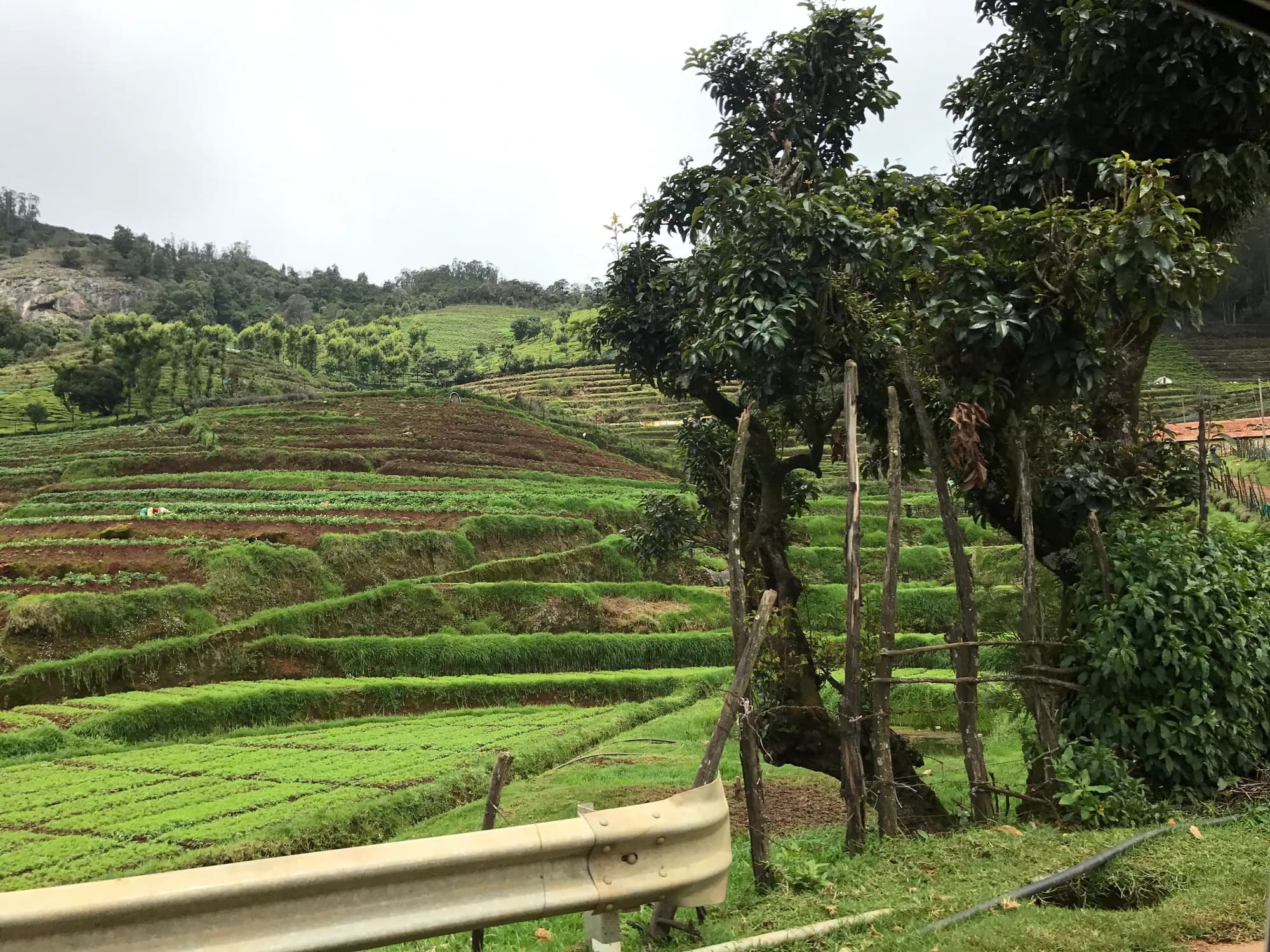
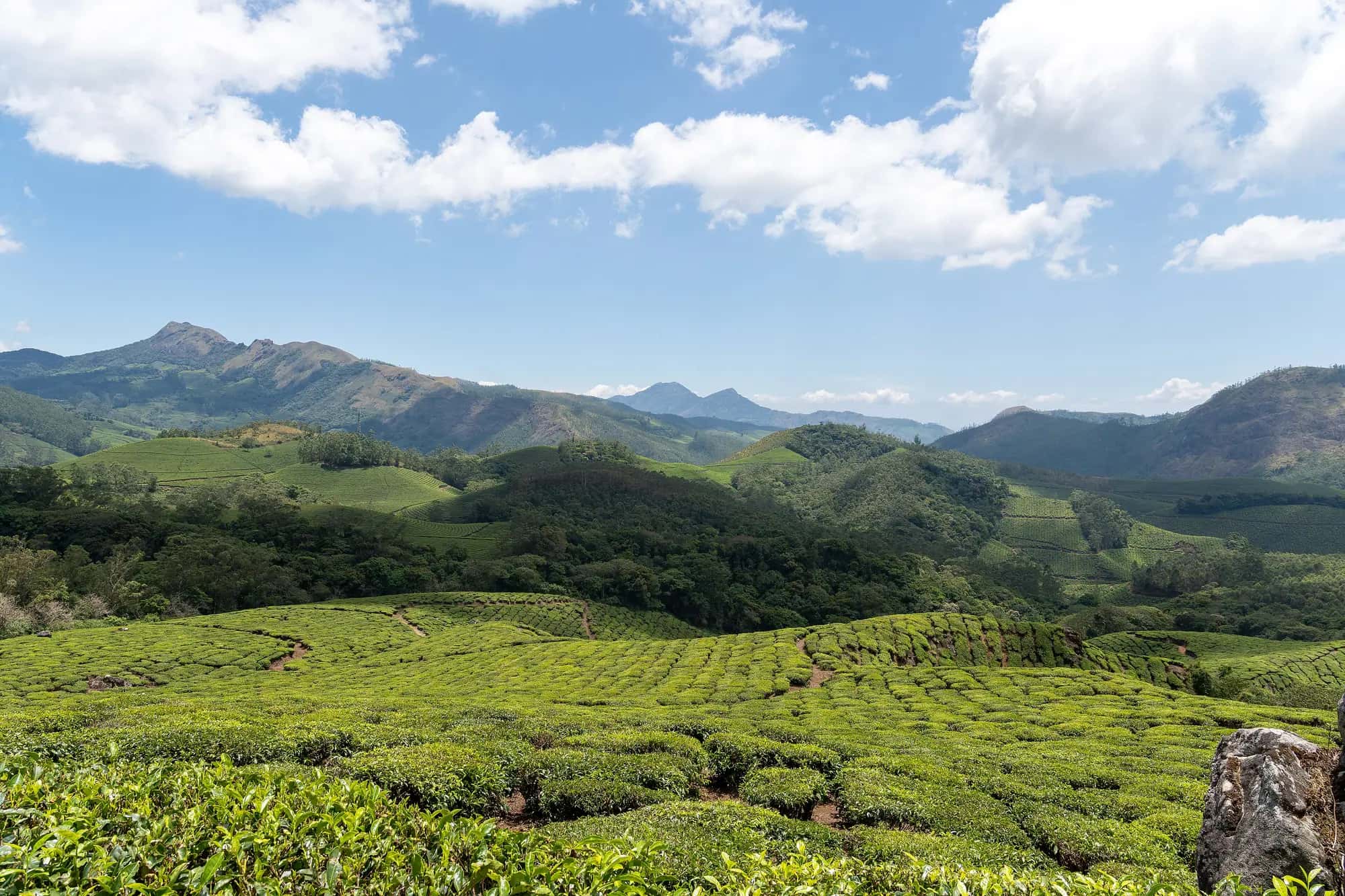
September to May is the best time to visit Munnar. Days are 20–25°C and the tea slopes are green after the monsoon. December and January bring cold nights near 10°C and the clearest views. Eravikulam National Park usually closes in February and March for Nilgiri tahr calving. June to August is very wet, with heavy mist and occasional landslides.
Month-by-month at a glance
- Jan23°Best
- Feb24°Good
- Mar25°Good
- Apr25°Good
- May24°Good
- Jun21°Fair
- Jul20°Avoid
- Aug20°Fair
- Sep21°Good
- Oct22°Good
- Nov22°Good
- Dec22°Best
Munnar weather, crowds and what to expect
| Month | High / Low | Rain | Crowds | What to expect |
|---|---|---|---|---|
| JanuaryBest | 23° / 10° | 20 mm | high | Cold nights, clear mornings; peak season. |
| FebruaryGood | 24° / 11° | 25 mm | medium | Dry; Eravikulam usually closed for calving. |
| MarchGood | 25° / 13° | 50 mm | low | Warm days; Eravikulam reopens around 1 April. |
| AprilGood | 25° / 15° | 120 mm | medium | Pleasant; summer showers begin. |
| MayGood | 24° / 16° | 190 mm | high | Summer-holiday crowds from Kerala and Tamil Nadu. |
| JuneFair | 21° / 16° | 600 mm | low | Monsoon arrives; mist and heavy rain. |
| JulyAvoid | 20° / 15° | 780 mm | low | Wettest month; landslide risk on hill roads. |
| AugustFair | 20° / 15° | 520 mm | medium | Rain easing; Onam crowds in some years. |
| SeptemberGood | 21° / 15° | 290 mm | medium | Greenest tea estates; fewer visitors. |
| OctoberGood | 22° / 15° | 320 mm | medium | Afternoon showers, clear mornings. |
| NovemberGood | 22° / 14° | 200 mm | medium | Cool and fresh; good value. |
| DecemberBest | 22° / 12° | 70 mm | high | Crisp and clear; Christmas rush. |
Long-term monthly averages. Individual years vary — check a forecast in the week before you travel.
Festivals and events in Munnar
Usually 1 February to 31 March
Eravikulam calving closure
Rajamala is shut so Nilgiri tahr can calve; the forest department confirms dates each year.
Every 12 years; next expected around 2030
Neelakurinji mass bloom
Hillsides turn blue; the last mass bloom in 2018 drew very large crowds.
Late August to mid-September
Onam holidays
Hill resorts fill with Kerala families over the long weekend.
20 December to early January
Christmas–New Year
Busiest stretch; book hotels and cabs well ahead.
When is the best time to visit Munnar?
September to May. Munnar sits at about 1,600 m in the Western Ghats, so it never gets hot: highs stay between 20°C and 25°C most of the year. The monsoon from June to August brings very heavy rain here, with July alone often recording 700–800 mm, and once it eases in September the tea estates are at their greenest.
What is Munnar like month by month?
- September–November: Fresh, green, quieter. Afternoon showers from the north-east monsoon in October and November, but mornings are usually clear.
- December–January: Peak season. Nights drop to around 10°C, lower at Top Station and in the valleys. Views are clearest. Book early for Christmas.
- February–March: Dry and pleasant, but Eravikulam National Park (Rajamala), Munnar's top sight, usually closes from 1 February to 31 March for Nilgiri tahr calving. If seeing the tahr matters, avoid this window.
- April–May: Summer holidays. Munnar fills with families from Kerala and Tamil Nadu, and traffic on the Mattupetty road can crawl.
- June–August: Heavy rain, leeches on trails and mist that hides the views for days. Rates are low and the waterfalls on the Kochi road are in full flow.
Plan for traffic. The Kochi–Munnar drive is about 110 km but takes 4–5 hours on weekends and holidays.
What about the Neelakurinji bloom?
The Neelakurinji shrub covers the Munnar hills in blue only once every 12 years. The last mass bloom was in 2018, so the next is expected around 2030. Smaller, scattered blooms happen in between, but don't plan a trip around them.
How many days should you plan?
Two nights is right for most travellers: one full day for Eravikulam, the tea museum and Mattupetty, and a second for Top Station or a Kolukkumalai sunrise.
Read our guides to things to do in Munnar and where to stay in Munnar. Combining it with the backwaters? See the best time to visit Kerala and Alleppey.
Frequently asked questions
Is Munnar cold in December?
When is Eravikulam National Park closed?
Is it safe to visit Munnar during the monsoon?
Which months are least crowded in Munnar?
How we checked this page
Last reviewed
Written and fact-checked by the Elitech Travels editorial desk in New Delhi, drawing on our consultants' day-to-day booking work and the official sources below. Rules, fares and fees change — always confirm anything critical with the issuing authority before you travel. Our editorial policy.