Our verdict
Choose Ladakh if you have 6–7 nights and want to fly in and see Pangong, Nubra and Khardung La on good roads; land packages start around ₹28,000 per person. Choose Spiti for a slower road trip with fewer tourists, gradual acclimatisation and village homestays, with 7 nights from about ₹25,000. First-timers usually find Ladakh easier; repeat Himalaya travellers often prefer Spiti.
Side by side
| Factor | Ladakh | Spiti Valley |
|---|---|---|
| Best months | May to September; flights year-round | June to October via Manali; Kinnaur route most of the year |
| Getting there from Delhi | About 1 h 20 min flight to Leh | Road only: two days via Shimla and Kinnaur, or via Manali and Kunzum Pass |
| From Mumbai and Bengaluru | Non-stop from Mumbai in season; via Delhi from Bengaluru | Fly to Chandigarh, then 2–3 days by road |
| Starting land cost | 6N from ₹28,000 per person | 7N from ₹25,000 per person |
| Altitude | Leh 3,500 m; Khardung La about 5,359 m; Pangong 4,225 m | Kaza about 3,800 m; Kunzum 4,551 m; Komic about 4,500 m |
| Acclimatisation | Flying in is a sharp jump; rest 36–48 h in Leh | Gradual climb via Kinnaur lowers the risk |
| Road conditions | Mostly paved highways to Nubra and Pangong | Rough Kinnaur stretches, unpaved Batal–Kunzum section, water crossings |
| Crowds | Busy June–August; Pangong camps fill up | Few vehicles; quiet villages |
| Stays | Hotels and camps from budget to luxury | Mostly homestays and guesthouses |
| Family-friendliness | Fine for fit families; avoid with infants | Better for adults; long rough days |
| Mobile connectivity | Postpaid only; patchy beyond Leh | BSNL and Jio in Kaza; dead zones on the road |
Which one is for you?
Choose Ladakh if…
- You have 6–7 nights and want to fly in rather than spend two days on the road
- You want the headline sights: Pangong Tso, Nubra's dunes and Khardung La
- You're travelling with family and want proper hotels and paved roads
- You're flying from Mumbai, Bengaluru or the south
Choose Spiti Valley if…
- You want a road trip with fewer tourists and more village life
- You'd prefer to acclimatise gradually rather than land at 3,500 m
- You like homestays and simple home-cooked food over hotels
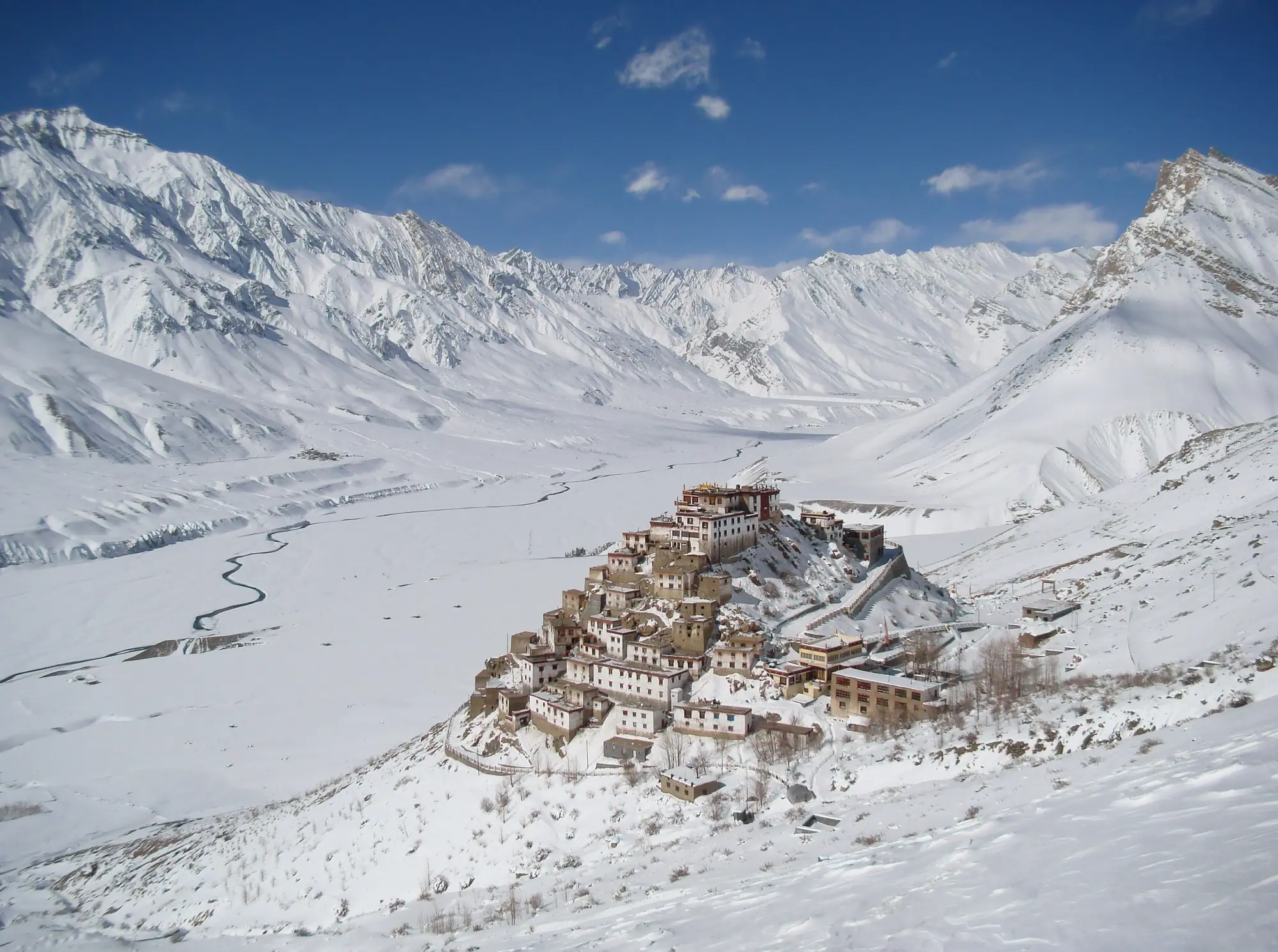
- You want Key Monastery, Chandratal and villages like Kibber and Komic above 4,000 m
The real difference
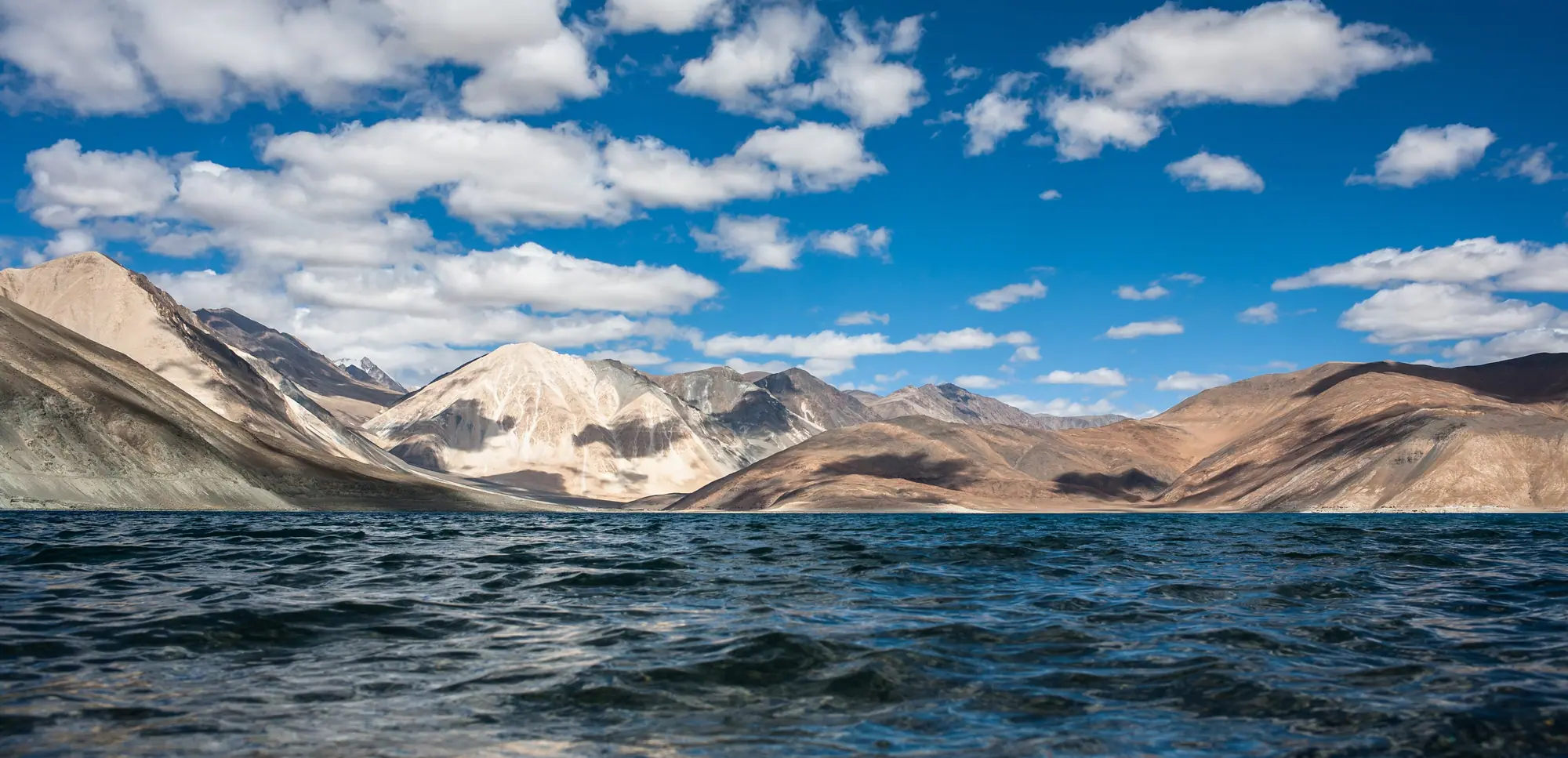
Both are high-altitude cold deserts with monasteries, bare mountains and clear skies. The difference is access. Ladakh is a flight from Delhi; Spiti is a road trip of at least two days each way. That one fact shapes cost, safety and who each place suits.
Getting there
Flights from Delhi to Leh take about 1 hour 20 minutes, and there are non-stop flights from Mumbai in season. You land at 3,500 m, so the first 36–48 hours must be rest; skipping that is the most common cause of altitude sickness on Ladakh trips. Spiti has no airport. The Kinnaur route (Delhi–Shimla–Kalpa–Kaza) is open most of the year and climbs slowly, which helps your body adjust. The Manali route through the Atal Tunnel and Kunzum Pass (4,551 m) is shorter but typically opens only from June to October.
What does each cost?
A 6-night Ladakh land package with hotels in Leh, a night in Nubra, a camp at Pangong and a private SUV starts around ₹28,000 per person, twin sharing. Return flights from Delhi typically cost ₹9,000–18,000, more in June. A 7-night Spiti circuit from Shimla or Chandigarh with an SUV and homestays starts around ₹25,000; you save the airfare but add road days. Domestic tourists no longer need an inner line permit for Ladakh, but they pay an environment and protected-area fee online for Nubra, Pangong and Tso Moriri. See the Ladakh trip cost and Spiti trip cost breakdowns.
Roads and comfort
Ladakh's main routes are largely paved and well maintained. Spiti is rougher: the Kinnaur stretch has landslide zones and narrow cliff roads, and the Batal–Kunzum section on the Manali side is unpaved, with water crossings that swell by afternoon. A sturdy SUV and an experienced local driver matter more in Spiti. Ladakh also has a far wider range of stays, from budget guesthouses to luxury camps; Spiti is mostly homestays, many with shared bathrooms in the smaller villages.
Crowds and experience
Ladakh is popular. Pangong's lakeside camps, Khardung La and the Nubra dunes are busy from June to August. Spiti sees a fraction of the traffic, and evenings in Kibber or Langza feel like a village, not a resort. If you've already done Ladakh, Spiti is the natural next trip. See things to do in Spiti.
Who should go where
First-timers, families with fit older parents and anyone short on days should go to Ladakh. Road-trippers, photographers, bikers and travellers who want quiet should pick Spiti, ideally from mid-June to September when both routes are open and you can drive a full loop. Check the best time to visit Ladakh before you book flights, as June fares climb fast.
Frequently asked questions
Is Spiti Valley cheaper than Ladakh?
Which is safer for altitude sickness, Ladakh or Spiti?
Can I combine Ladakh and Spiti in one trip?
Is Spiti open in winter?
Do Indians need a permit for Ladakh?
How we checked this page
Last reviewed
Written and fact-checked by the Elitech Travels editorial desk in New Delhi, drawing on our consultants' day-to-day booking work and the official sources below. Rules, fares and fees change — always confirm anything critical with the issuing authority before you travel. Our editorial policy.