Quick answer
Mid-June to September is the best time to visit Spiti Valley, when both routes in are open: Shimla–Kinnaur from the south and Manali–Kunzum Pass from the west. Chandratal camps run and Kaza is 15–23°C by day. May and October work via Kinnaur only. Winter trips are possible, but only for well-prepared travellers.
Month-by-month at a glance
- Jan-3°Avoid
- Feb-1°Avoid
- Mar4°Fair
- Apr10°Fair
- May15°Good
- Jun20°Best
- Jul23°Best
- Aug22°Good
- Sep18°Best
- Oct12°Good
- Nov6°Fair
- Dec1°Avoid
Spiti Valley weather, crowds and what to expect
| Month | High / Low | Rain | Crowds | What to expect |
|---|---|---|---|---|
| JanuaryAvoid | -3° / -17° | 25 mm | low | Deep winter; snow leopard trips only |
| FebruaryAvoid | -1° / -15° | 30 mm | low | Frozen; frequent road closures |
| MarchFair | 4° / -9° | 30 mm | low | Winter trips via Kinnaur |
| AprilFair | 10° / -3° | 20 mm | low | Thawing; Kunzum still shut |
| MayGood | 15° / 2° | 15 mm | low | Kinnaur route; Chandratal closed |
| JuneBest | 20° / 6° | 10 mm | medium | Kunzum opens mid-to-late month |
| JulyBest | 23° / 10° | 20 mm | high | Full circuit open; slide risk in Kinnaur |
| AugustGood | 22° / 9° | 20 mm | high | Busy; stream crossings near Batal |
| SeptemberBest | 18° / 5° | 10 mm | medium | Clear, dry, harvest season |
| OctoberGood | 12° / -1° | 5 mm | low | Chandratal camps close early month |
| NovemberFair | 6° / -7° | 5 mm | low | Kunzum closes; very cold nights |
| DecemberAvoid | 1° / -13° | 15 mm | low | Snowbound villages; power cuts |
Long-term monthly averages. Individual years vary — check a forecast in the week before you travel.
Festivals and events in Spiti Valley
January to March
Snow leopard season
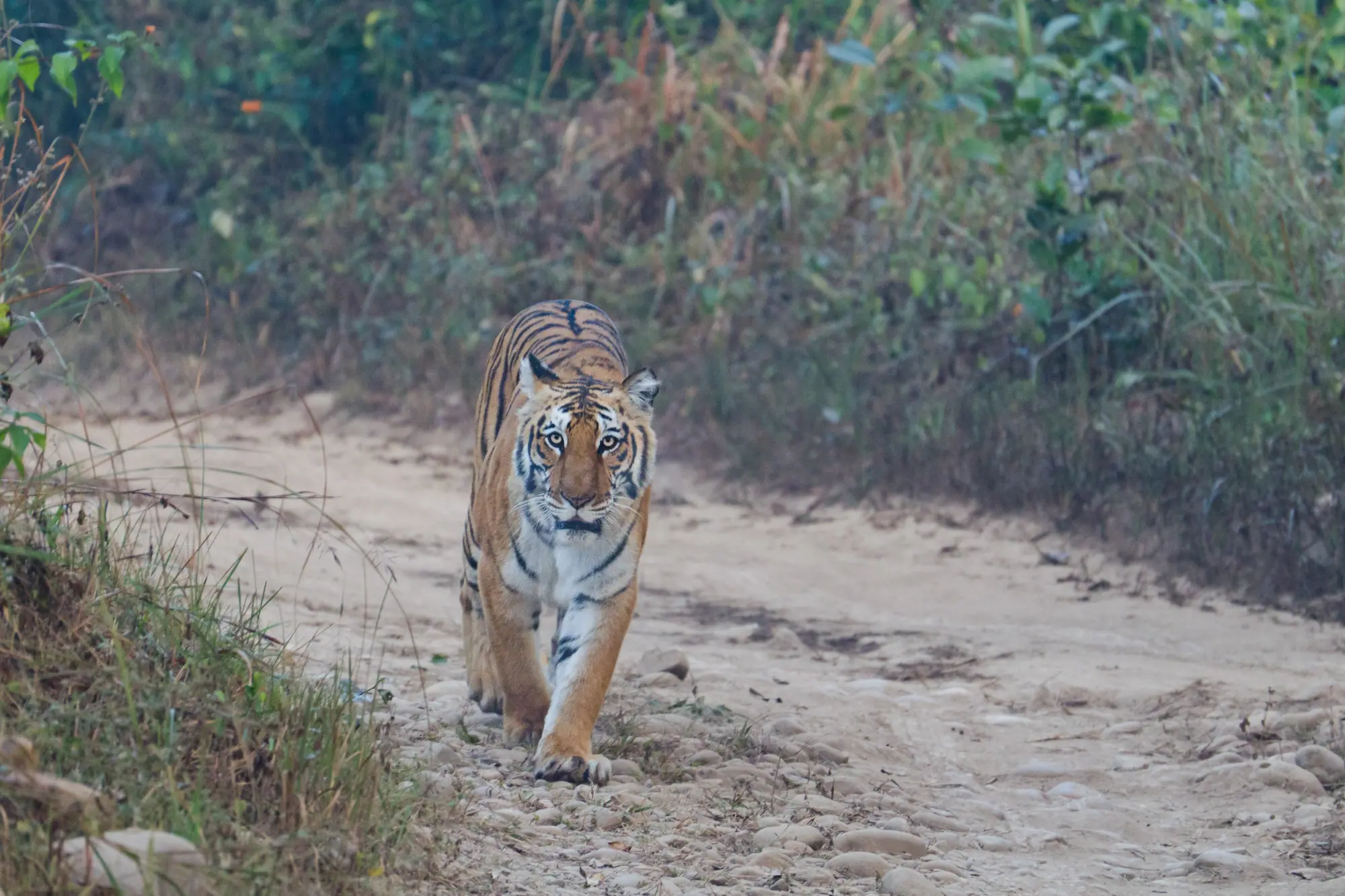
Guided spotting trips from Kibber; book homestays and trackers well ahead.
Usually mid-to-late June
Kunzum Pass opening
Opens the Manali side and Chandratal; dates depend on snow clearance.
Usually July (lunar)
Key Monastery Chaam
Masked dances at Key Gompa; date set by the monastery calendar.
July or August
Ladarcha Fair, Kaza
Old trade fair, now a cultural festival; Kaza's busiest few days.
Mid-June to early October
Chandratal camp season
Camps sit about 3 km from the lake; nights drop below freezing.
Two roads, two seasons
Spiti is a cold desert at 3,000–4,500 m on the Tibet border. Access, not weather, sets the season, because there are only two roads in.
- Shimla–Kinnaur–Kaza: open most of the year. It is long (about 420 km from Shimla to Kaza) and slide-prone in the monsoon, but it climbs gradually, which helps your body adjust to altitude.
- Manali–Atal Tunnel–Kunzum La (4,590 m)–Kaza: open roughly from mid-June to October, depending on snow. It is shorter, about 200 km, but the Batal–Losar stretch is rough, with stream crossings.
A full circuit, in via Kinnaur and out via Manali, is only possible while Kunzum is open.
Mid-June to September
The main season. Chandratal Lake (about 4,300 m) is reachable and its camps operate. July and August are the busiest, with bikers and SUV groups. Spiti itself gets little monsoon rain, but the Kinnaur stretch and the Manali side can be hit by slides and swollen streams, so carry a buffer day.
May and October
Quieter and colder. Kunzum and Chandratal are normally shut in May, and the camps start packing up in the first week of October. Expect nights below zero in Kaza.
November to April
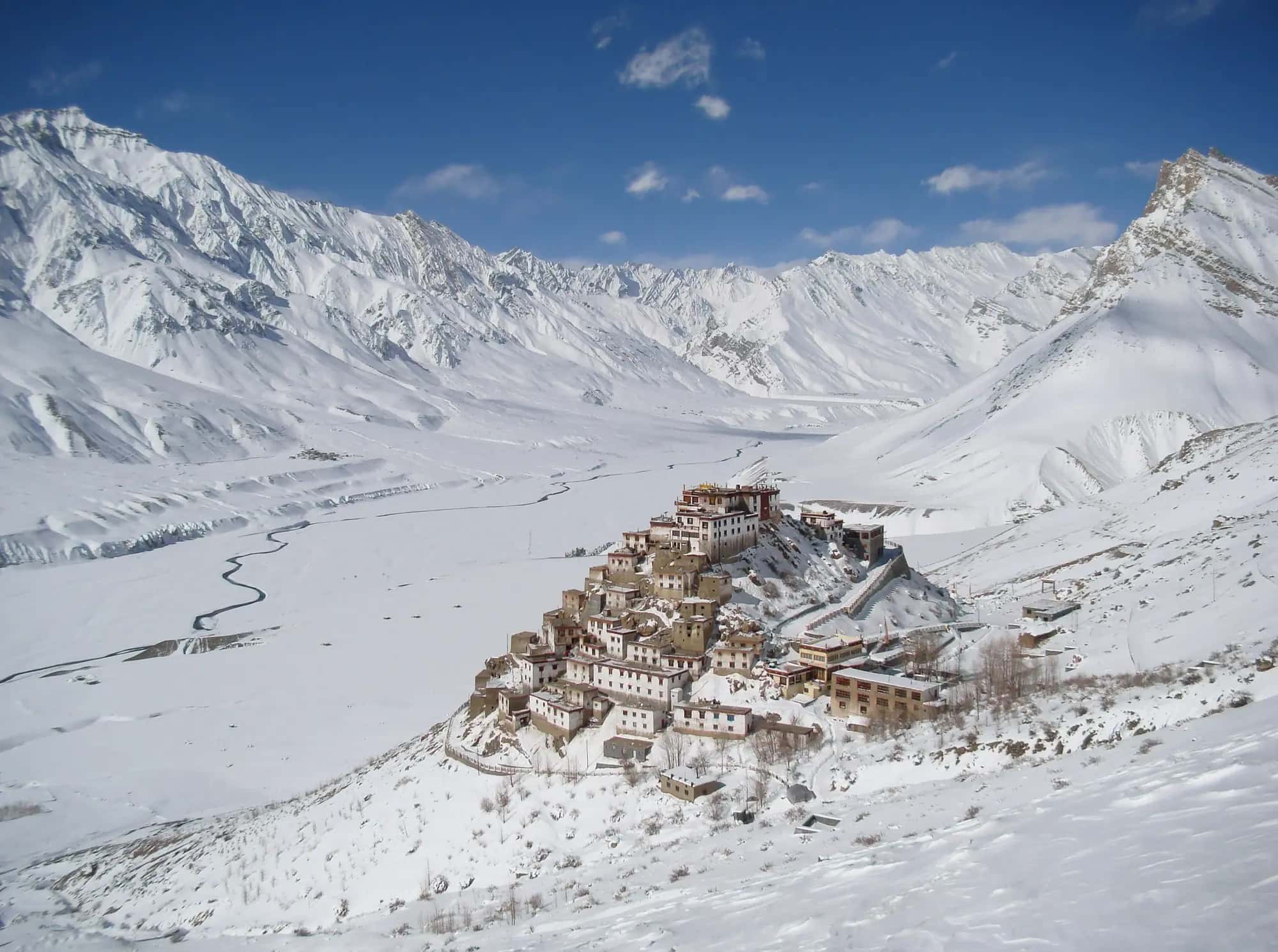
Spiti under snow. The Kinnaur road usually stays open, with closures after storms. Homestays in Kaza and Kibber run winter trips, including snow leopard spotting from January to March. Expect –20°C nights, frozen pipes and power cuts.
Indian citizens do not need a permit for Kinnaur or Spiti. Foreign nationals need an inner line permit for the border stretch between Jangi and Sumdo, issued at Reckong Peo or Kaza.
Where to go from here
Plan the route with things to do in Spiti Valley and set a budget with Spiti trip cost. If you will finish in Manali, read the best time to visit Manali. Still choosing between Spiti and Ladakh? Compare with the best time to visit Ladakh.
Frequently asked questions
Which is the best month to visit Spiti Valley?
Is Spiti Valley open in winter?
When does Kunzum Pass open?
Do Indians need a permit for Spiti Valley?
How we checked this page
Last reviewed
Written and fact-checked by the Elitech Travels editorial desk in New Delhi, drawing on our consultants' day-to-day booking work and the official sources below. Rules, fares and fees change — always confirm anything critical with the issuing authority before you travel. Our editorial policy.