Quick answer
The best northern-lights trips from India are Tromsø in Norway, Finnish Lapland (Rovaniemi, Saariselkä, Levi), Abisko in Sweden and Iceland, all on one Schengen visa, or Yellowknife and Whitehorse in Canada. Go between late September and late March, with four or more nights in the aurora zone. A basic week costs from about ₹2.2 lakh per person with flights.
Key takeaways
- Aurora season runs from late September to late March; February–March is the most popular window, while September–October is milder.
- One Schengen visa covers Norway, Finland, Sweden and Iceland; Canada needs a visitor visa with biometrics and much longer processing.
- Plan at least four nights in the aurora zone. Cloud, not solar activity, is what usually spoils a night.
- A basic week costs from about ₹2.2 lakh per person with flights; glass igloos and husky safaris push it to ₹3–4 lakh.
Can you see the northern lights on a trip from India?
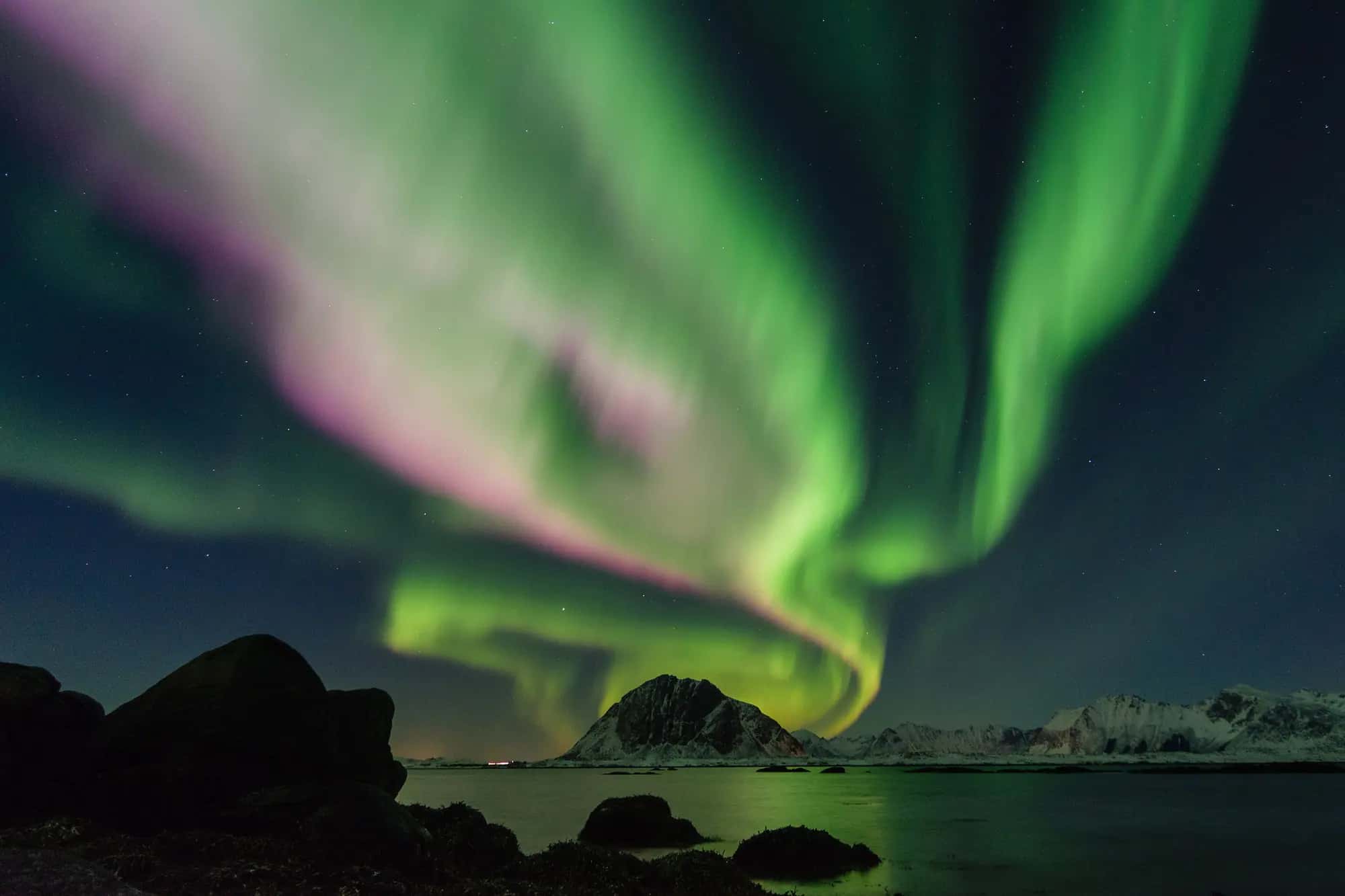
Yes, but you have to go to them. The aurora forms in a ring, the auroral oval, roughly between 65° and 72° north, and the places below sit beneath it. There, on a dark, clear night with even moderate solar activity, the lights appear more often than not. The two things you cannot control are cloud and solar activity, which is why the length of your stay matters more than the exact destination. Four or more nights in the aurora zone gives most travellers at least one good display.
The Sun's 11-year cycle peaked around 2024–25, and activity typically stays elevated for a few years after a peak, so the next couple of seasons should still be good. During strong geomagnetic storms in 2023 and 2024, cameras at the Indian Astronomical Observatory in Hanle, Ladakh, even recorded a faint red aurora glow, but that was rare and far fainter than an Arctic display.
Where should you go?
| Destination | Typical base | Strengths | Drawbacks | Visa |
|---|---|---|---|---|
| Norway | Tromsø, Alta, Lofoten | Fjord scenery, whale watching in Nov–Jan, many chase operators | Coastal cloud; expensive | Schengen |
| Finland | Rovaniemi, Saariselkä, Levi, Inari | Glass igloos, Santa Claus Village, often clearer inland skies | -20 °C or colder in Jan–Feb | Schengen |
| Sweden | Abisko, Kiruna | Abisko's often-clear skies, the Icehotel | Small, quickly booked stays | Schengen |
| Iceland | Reykjavik and the south coast | Waterfalls, glaciers and ice caves by day | Changeable weather; long drives | Schengen |
| Canada | Yellowknife, Whitehorse | Dry inland air with many clear nights | Long flights, slow visa, -30 °C in winter | Canadian visitor visa |
Norway: Tromsø and the fjords
Tromsø is the most popular base: a proper small city reached by connecting flights via Oslo and other European hubs, with dozens of operators who drive you inland, sometimes towards the Finnish border, to find gaps in the cloud. From November to January, whale-watching trips add another reason to go. Lofoten is more scenic but harder to reach and often cloudier.
Finnish Lapland: igloos and Santa
Rovaniemi suits families, especially in December, with Santa Claus Village on the Arctic Circle and reindeer and husky farms nearby. Saariselkä, Levi and Inari, further north, have darker skies and the well-known glass-roofed igloos and aurora cabins. Inland Lapland is often clearer than the Norwegian coast, but much colder.
Iceland and Swedish Lapland
Iceland gives you the most to do by day: the Golden Circle, south-coast waterfalls, black-sand beaches and, in winter, ice caves. The aurora comes on top. Abisko, in Swedish Lapland, is known for a local weather pattern that often keeps its skies clear when nearby areas are cloudy; it is small and books out early.
Canada: Yellowknife and Whitehorse
Yellowknife in the Northwest Territories sits under the auroral oval with dry, continental air, and lodges outside town are built for viewing. Whitehorse in Yukon is similar. The catch for Indian travellers is the visa, which needs biometrics and can take weeks to months. Compare the Canada trip cost and the best time to visit Canada if you want to combine the aurora with the rest of the country.
When is the best time to see the northern lights?
- Late September to October: milder, around 0–10 °C, with unfrozen lakes that reflect the aurora. Good for first-timers who dislike extreme cold.
- November to January: the darkest months; in Tromsø the sun does not rise from late November to mid-January. The most hours of darkness, but the coldest and, around Christmas, the most expensive.
- February to March: deep snow for husky and reindeer safaris, more daylight for activities and still long nights. The most popular window for Indian travellers.
- April to August: too bright. The midnight sun means no aurora.
Geomagnetic activity has tended to be slightly higher around the equinoxes, in September and March. Whatever the month, choose dates around the new moon if you can, for the darkest skies.
How much does a northern-lights trip cost?
Approximate per-person costs for a six-night trip to Tromsø or Finnish Lapland from Delhi or Mumbai, twin sharing, at the time of review:
| Item | Typical cost per person |
|---|---|
| Return flights, one or two stops | ₹60,000–1 lakh |
| Schengen visa with service charge | About ₹11,000–12,500 |
| 3★ hotel, six nights | ₹45,000–75,000 |
| Aurora chase, small group, per night | ₹10,000–20,000 |
| Husky or reindeer safari | ₹12,000–25,000 |
| Glass igloo or aurora cabin, per room per night | ₹40,000–90,000 |
| Meals, per day | ₹3,000–5,000 |
A basic week with two aurora chases starts around ₹2.2 lakh per person with flights; with an igloo night, a husky safari and better hotels, ₹3–4 lakh is more typical. Canada costs more because of the extra domestic flight north. Book three to four months ahead for February–March and earlier for Christmas, and budget for the 2% TCS on overseas packages, which you can adjust against your income tax.
What about the visa?
Norway, Finland, Sweden and Iceland are all in the Schengen area, so one visa covers them all. Apply to the country where you will spend the most nights, about six to eight weeks before travel, with hotel bookings, flights and medical insurance of at least EUR 30,000; see our Schengen visa guide. For Canada, apply online and give biometrics at a visa application centre at least three to four months ahead; see the Canada visa guide.
What should you pack, and what should you expect?
- Thermal base layers, a fleece, a down jacket, a warm hat, mittens over thin gloves and insulated boots. Many aurora tours lend thermal suits and boots, so ask before buying.
- A camera with manual settings and a tripod; recent phones with a night mode also work well.
- Hand and toe warmers, a power bank (batteries drain fast in the cold) and moisturiser.
- Patience. Most chases leave around 7–9 p.m. and return after midnight, and some nights show nothing.
Vegetarian food is available in Tromsø, Rovaniemi and Reykjavik, including a few Indian restaurants, but choices thin out in small Lapland villages, so tell your hotel in advance. Our packing lists and travel insurance notes cover the rest.
Book your aurora chase for the first night or two of your stay, not the last. If the sky is clouded over, you still have nights left to try again, and some operators let you rejoin free if you saw nothing, so ask before booking.
Frequently asked questions
Which is the best country to see the northern lights from India?
Which month is best to see the northern lights?
How much does a northern lights trip cost from India?
Can you see the northern lights in India?
Is one Schengen visa enough for Norway, Finland, Sweden and Iceland?
Are the northern lights guaranteed?
How we checked this page
Last reviewed
Written and fact-checked by the Elitech Travels editorial desk in New Delhi, drawing on our consultants' day-to-day booking work and the official sources below. Rules, fares and fees change — always confirm anything critical with the issuing authority before you travel. Our editorial policy.