Quick answer
The best things to do in Oman are the Sultan Qaboos Grand Mosque and Mutrah Souq in Muscat, swimming in Wadi Shab and Wadi Bani Khalid, a night in a Wahiba Sands desert camp, Nizwa Fort and its Friday market, and the canyon views at Jebel Shams. Oman is a road-trip country, so plan five to seven days with a car and driver or a self-drive SUV.
13 things worth your time in Oman
- 01
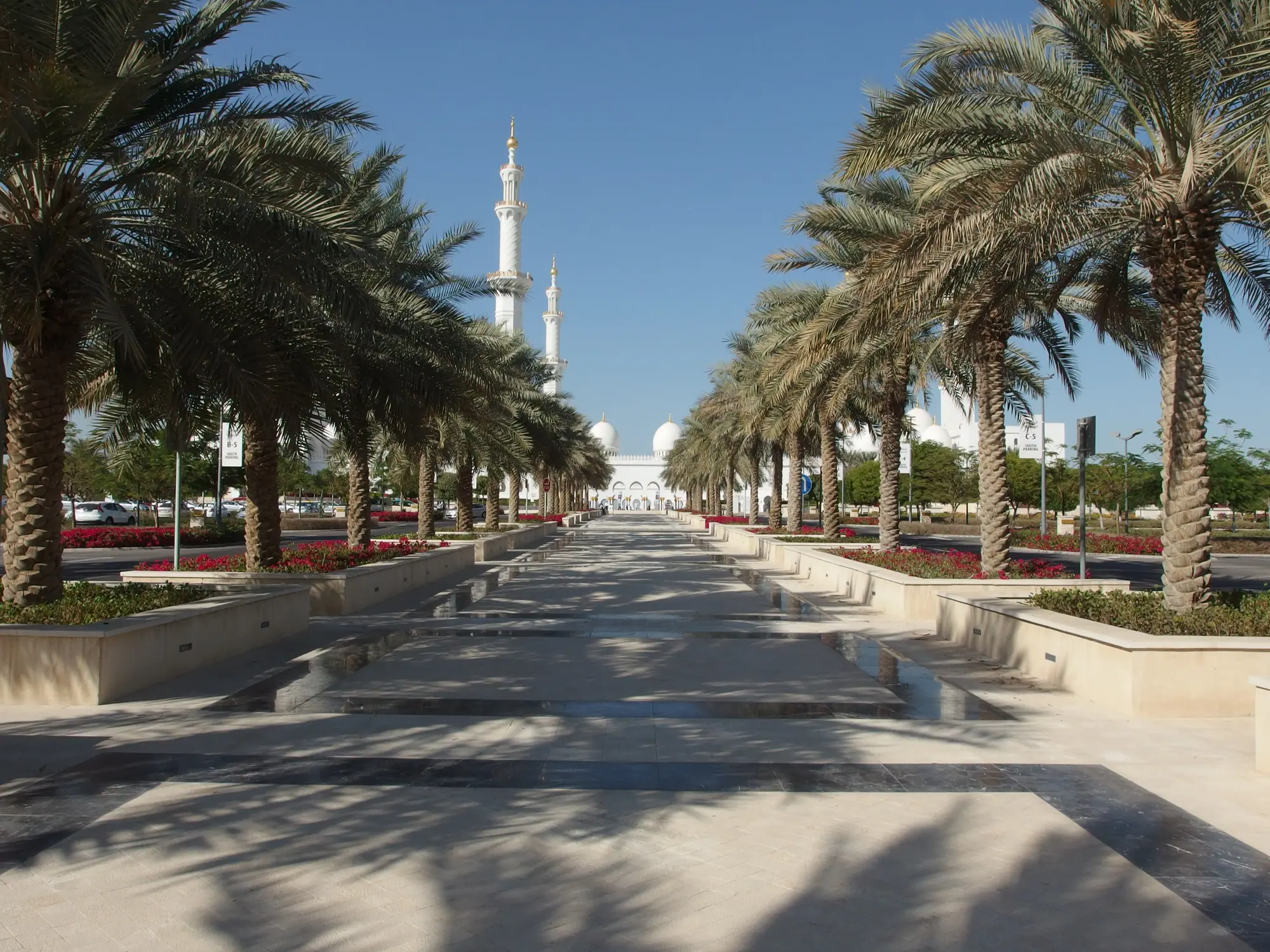
Sultan Qaboos Grand Mosque
LandmarkMuscat's grandest building, with a huge hand-woven Persian carpet and a Swarovski crystal chandelier in the main prayer hall.
1–1.5 hoursFreeOpen to non-Muslim visitors on Saturday to Thursday mornings, usually 8–11 am. Women need a headscarf, long sleeves and ankle-length clothing.
- 02
Mutrah Corniche and Souq
ShoppingA covered souq with frankincense, silver khanjar daggers, Omani halwa and pashminas, opening on to a waterfront promenade with old merchant houses.
2–3 hoursFreeMany shops close from about 1 to 4 pm and on Friday mornings. Go late afternoon and walk the Corniche at sunset.
- 03
Royal Opera House Muscat
LandmarkWhite stone, carved teak and a beautifully lit auditorium. One of the finest modern buildings in the Gulf.
1 hour (tour)Guided tour about ₹700 (OMR 3); performances priced separatelyBook an evening performance if your dates allow; dress code is smart.
- 04
Old Muscat and the National Museum
LandmarkThe ceremonial Al Alam Palace (exterior only) between the twin Portuguese-era forts of Jalali and Mirani, and a well-presented museum next door.
2–3 hoursNational Museum about ₹1,150 (OMR 5); palace exterior freeMorning light is best for photos of the palace façade.
- 05
Bimmah Sinkhole
NatureA limestone sinkhole about 20 m deep with turquoise water, inside a small park on the coast road, about an hour from Muscat.
1 hourFreeSwim only if you are confident; the steps are steep and there is no lifeguard.
- 06
Wadi Shab
NatureA short boat ride, a 45-minute hike past palms and boulders, then swimming through emerald pools to a waterfall inside a cave.
3–4 hoursBoat crossing about ₹230 (OMR 1); hike freeWear shoes with grip and carry a dry bag. Swim in shorts and a T-shirt; this is a family place. Never enter wadis after rain.
- 07
Ras al Jinz turtle watch
NatureGuided night walks to watch green turtles nest on the beach, at a reserve where they come ashore year-round.
2 hours (night)Roughly ₹1,600–2,500 for the guided walkBook ahead in peak season. No flash, no torches and no touching the turtles.
- 08
Wadi Bani Khalid
NatureClear, easily reached pools among palm groves, with paved paths. The easiest wadi for families and older travellers.
2–3 hoursFreeArrive before 10 am on weekends; it fills with picnickers by noon.
- 09
Wahiba Sands desert camp
ExperienceRed-orange dunes, a sunset dune drive, Bedouin coffee and a sky full of stars. Far quieter than a Dubai desert camp.
OvernightCamp about ₹9,000–23,000 (OMR 40–100) per room with dinner and breakfastMost camps need a 4WD to reach. Without one, camps arrange pickup from Al Wasil or Bidiyah for a fee.
- 10
Nizwa Fort and Souq
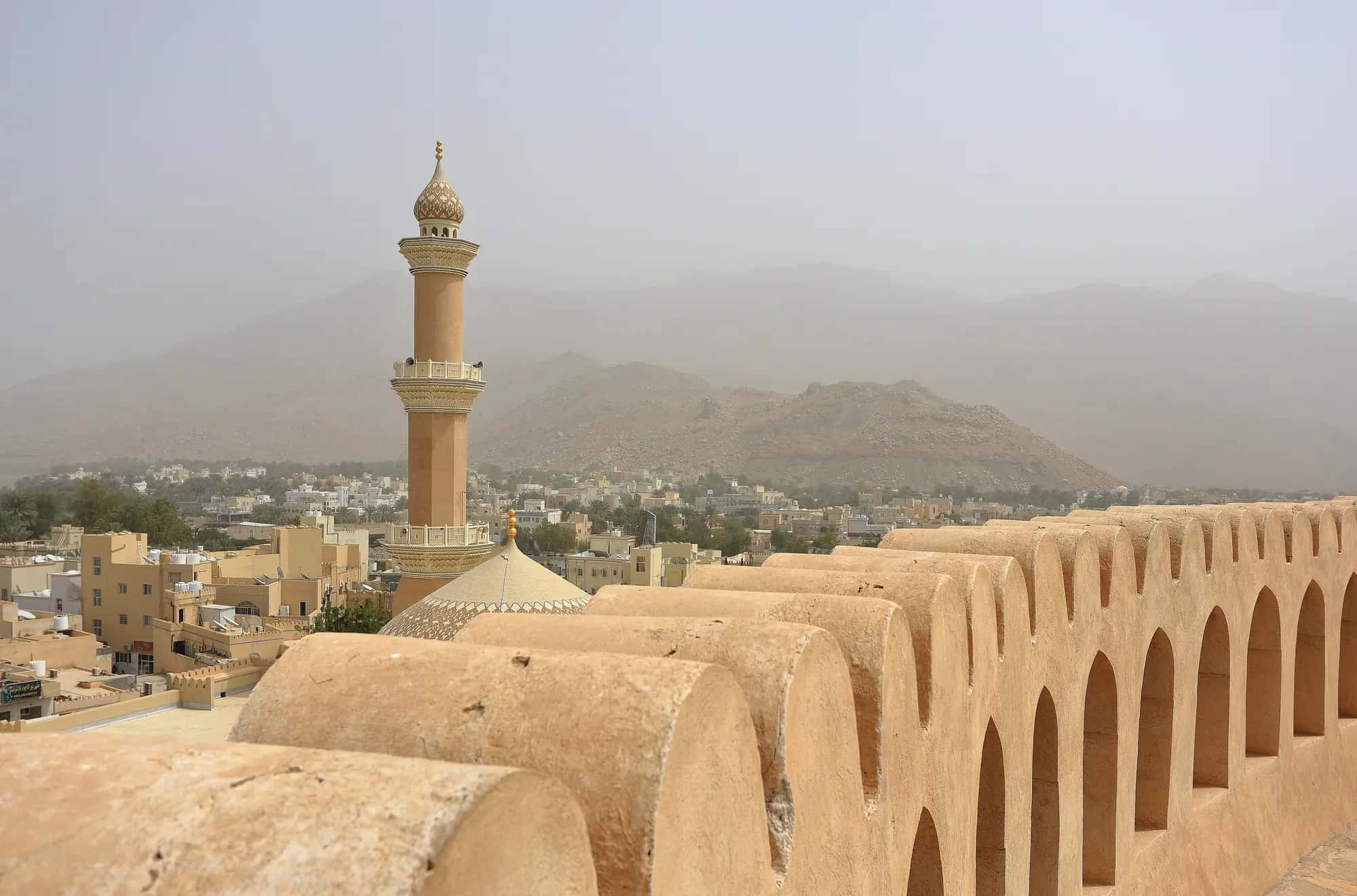
LandmarkA massive 17th-century round tower with views over the date-palm oasis, next to Oman's best traditional souq for pottery and halwa.
2–3 hoursAbout ₹1,150 (OMR 5)Be there by 7 am on a Friday for the goat and cattle auction outside the souq.
- 11
Jebel Akhdar
NatureTerraced villages at about 2,000 m, with roses, pomegranates and walnut trees and cool air even in spring.
Half day to overnightFree; 4WD or a driver neededPolice at the checkpoint turn back non-4WD cars. Stay overnight to see the terraces at sunrise.
- 12
Jebel Shams and Wadi Ghul
NatureOman's highest mountain and the 'Grand Canyon of Arabia', with the Balcony Walk along the canyon rim to an abandoned village.
Half dayFreeThe Balcony Walk is about 3–4 hours return. Carry plenty of water; there is no shade.
- 13
Daymaniyat Islands snorkelling
NatureA protected nature reserve off Muscat with turtles, reef fish and clear water.
Half dayAbout ₹5,700–9,200 (OMR 25–40) on a group boatBook a licensed operator. Landing rules on the islands change during the turtle nesting season.
How many days do you need in Oman?
Five to seven days covers northern Oman well: two in Muscat, then a loop down the coast to Sur, across to the Wahiba Sands and up to Nizwa and the mountains. Distances are not huge, but most days involve two to three hours on the road. Our Oman itinerary plans this as a six-day loop.
Self-drive or a car with driver?
Oman's roads are excellent and signposted in English, so self-drive is popular. You will need a 4WD for Jebel Akhdar, the desert camps and some wadis, and rental companies usually ask for an International Driving Permit along with your Indian licence. For families and older travellers, a driver-guide in a 4WD costs more but removes the stress of dune driving and mountain roads. Compare both on Oman trip cost.
Etiquette and safety
Oman is conservative and very safe. Cover shoulders and knees in towns and at wadis, ask before photographing people, and keep to swimwear at hotel pools and beaches. The main natural risk is flash flooding: never drive or walk into a wadi after rain, even if the sky has cleared.
Pick your season carefully. October to March is best for the north; see best time to visit Oman.
Vegetarians should read the Oman food guide, as choices thin out once you leave Muscat. Carry snacks and fruit on long driving days, since roadside options between towns are limited. Most Indian passport holders apply for an e-visa; see our Oman visa guide.
Frequently asked questions
Is Oman good for a family trip?
Can I drive in Oman with an Indian licence?
Is Wadi Shab difficult?
How we checked this page
Last reviewed
Written and fact-checked by the Elitech Travels editorial desk in New Delhi, drawing on our consultants' day-to-day booking work and the official sources below. Rules, fares and fees change — always confirm anything critical with the issuing authority before you travel. Our editorial policy.