Quick answer
Fill the DS-160 honestly and consistently, pay the USD 185 fee (about ₹16,300) and book the biometrics and interview appointments as early as possible, because waits at Indian posts ran roughly 6–12 months in 2026. The interview lasts two or three minutes: answer briefly, match your DS-160 and show clear ties to India. Documents back you up but rarely decide the case.
Key takeaways
- The DS-160 is what the officer reads; every answer you give at the window must match it.
- Since September 2025 most applicants, including children and seniors, attend in person, and Indians living in India must apply in India.
- Waits for B1/B2 interviews at Indian posts ran roughly 6–12 months in 2026, so apply as soon as a trip looks likely.
- Answers should be short and specific: purpose, length of stay, who pays, what you do and why you will return.
- A refusal under section 214(b) means the officer wasn't convinced of your ties; reapply only when something material has changed.
How does the B1/B2 process work?
- Fill in the DS-160 on the State Department's consular website. It asks for your travel history, employment, education, family, US contacts and the social media handles you have used in the last five years. Upload a 5 x 5 cm photo.
- Pay the application fee of USD 185 (about ₹16,300), charged in rupees at the consular rate and not refundable. A USD 250 visa integrity fee was legislated in 2025, payable on issue once collection begins, so check the US visa page before budgeting.
- Book two appointments: biometrics at a Visa Application Centre, then the interview at the Embassy in New Delhi or the consulates in Mumbai, Chennai, Hyderabad or Kolkata.
- Give biometrics: fingerprints and a photo, a short visit.
- Attend the interview.
- Collect the passport with the visa, usually one to two weeks after approval.
Since 2 September 2025, most applicants attend an in-person interview, including children and seniors. A narrow exemption remains for some adults renewing a full-validity B1/B2 visa that expired recently; the scheduling system checks this for you. Applicants must also book at a US post in their country of nationality or residence, so Indians living in India can no longer chase earlier dates in Dubai or Bangkok.
How long is the wait, really?
State Department figures for Indian posts through 2026 showed B1/B2 interview waits of roughly 6 to 12 months, longest in Mumbai. Slots are released regularly, so check often and move to an earlier date when one appears. Between July and December 2026 the State Department has been piloting an optional USD 750 expedited-interview fee at selected posts; check whether Indian posts are included. It buys a date, not an approval.
What do officers ask?
| Question | What the officer is checking |
|---|---|
| Why are you going to the US? | A clear, permitted purpose |
| How long will you stay? | A stay that fits the purpose and your leave |
| Who is paying for the trip? | That the trip is affordable |
| What do you do? How long have you worked there? | Stable work or business in India |
| Who do you know in the US? | Family ties that might pull you to stay |
| Have you travelled abroad before? | A record of returning on time |
| Who is visiting with you? | Who stays behind in India |
Parents visiting children in the US are a very common case. Expect questions on what the child does, their visa status, how long you will stay and who looks after things at home.
How should you answer?
- Short and specific. "Two weeks in New York and Orlando with my wife and son in May" beats a speech about wanting to see America.
- In your own words. Memorised lines sound memorised. Know your plan, your salary and your dates.
- Consistent with the DS-160. Re-read the printout the night before. If something has changed, such as a new job, say so plainly.
- Honest about family and refusals. Officers can see past applications. A disclosed refusal is a fact; a hidden one is a credibility problem.
- Documents only when asked. Hand over what the officer requests, not the whole file.
Dress neatly; a suit is not needed. Carry no bags into the consulate beyond what the appointment letter allows.
Which documents should you carry?
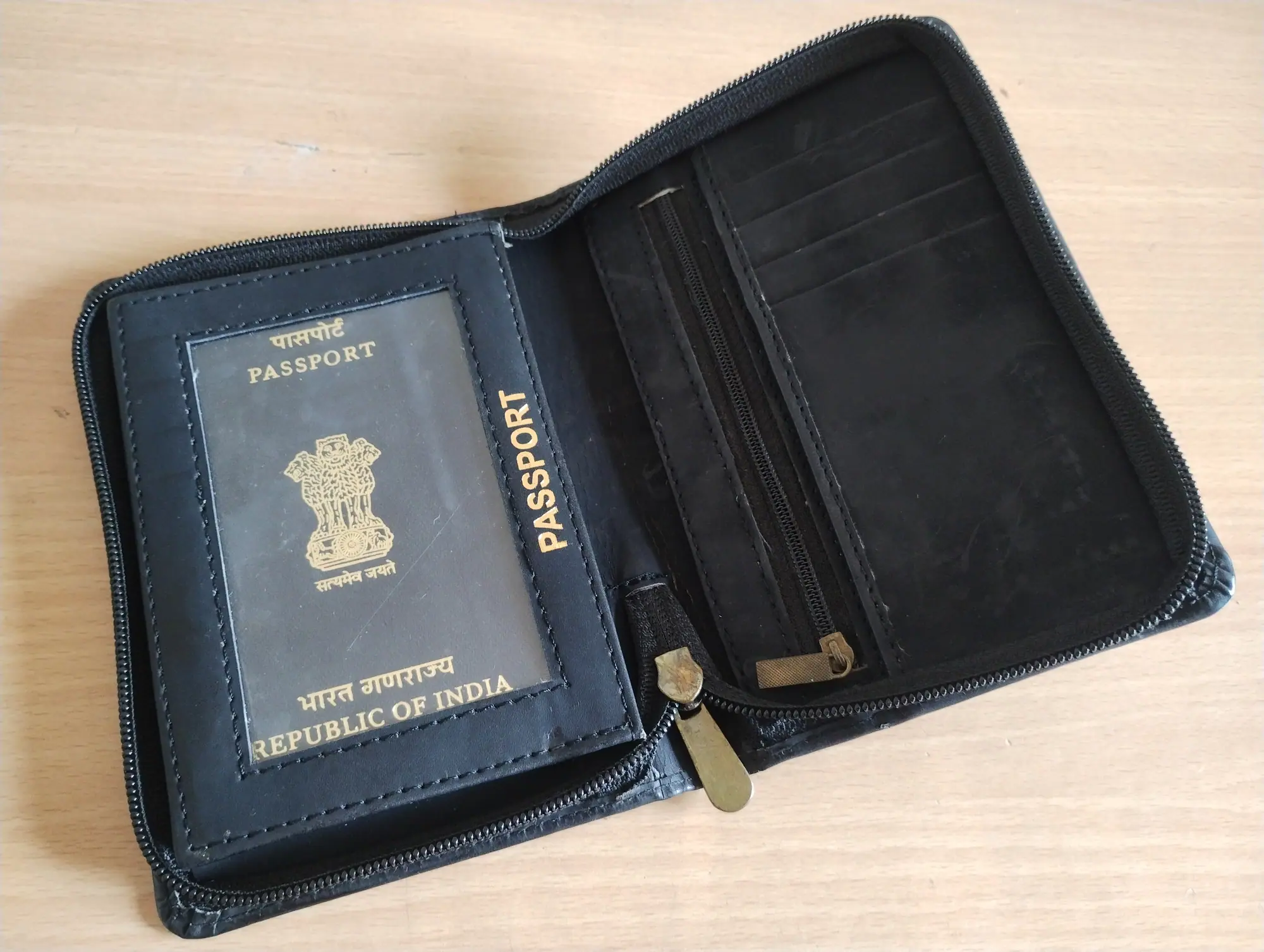
Required: passport and all old passports, the DS-160 confirmation page and the appointment letter.
Supporting, in a slim folder: an employer letter with designation, salary and approved leave; recent salary slips; ITR acknowledgements for three years; six months of bank statements; property or investment papers; and, for family visits, the host's invitation and status documents. Self-employed applicants should bring business registration and GST returns. Our guide on how to show funds for a visa explains what officers look for in the numbers.
What helps different applicants?
- First-time international travellers: a travel history is not required, but earlier trips to Dubai, Singapore, Europe or the UK with on-time returns show you come home.
- Parents of US-based children: steady income or pension, property, other family in India, and a stay well within six months.
- Young professionals: a stable job, approved leave and a trip that matches your salary.
- Business travellers: an invitation from the US company and a letter from your employer saying who pays.
What should you avoid?
- Agents who coach scripts. Officers hear the same coached lines every day, and recognise them.
- Contradicting the DS-160. If the form says you are visiting for two weeks, don't say "a month or so" at the window.
- Overselling. You don't need to prove you are wealthy, only that the trip fits your life and you will go home.
- Vague hosts. If you are staying with relatives, know their address, job and visa status.
- Booking before the visa. Keep flights refundable until the passport is back with the visa in it.
What if you are refused?
A refusal under section 214(b) means the officer was not persuaded you will return. There is no appeal. You can reapply at any time, but you pay again and face the same test, so reapply only when your circumstances have changed: a longer job record, more travel, a clearer purpose. A slip citing section 221(g) is different: it means administrative processing or missing documents, and the case stays open while you supply them.
Practise saying your answers aloud with someone who will interrupt you. The real interview is shorter and faster than people expect, and the first answer matters most.
If you want help, our visa assistance team prepares DS-160s and interview briefings, and US medical costs make travel insurance essential once the visa is in hand.
Frequently asked questions
What questions are asked in a US tourist visa interview?
How long is a US visa interview?
Do I need to show bank statements at the US visa interview?
Can my parents get a US visa to visit me?
What does a 214(b) refusal mean?
What is 221(g) administrative processing?
How we checked this page
Last reviewed
Written and fact-checked by the Elitech Travels editorial desk in New Delhi, drawing on our consultants' day-to-day booking work and the official sources below. Rules, fares and fees change — always confirm anything critical with the issuing authority before you travel. Our editorial policy.