Quick answer
Every Indian Schengen applicant needs a passport issued in the last ten years and valid three months beyond the trip, the signed application form, two 35 x 45 mm photos, a cover letter, return flight and hotel reservations, insurance with EUR 30,000 of medical cover, three to six months of bank statements, two to three years of ITRs, and proof of a job, business or studies.
Key takeaways
- Every document must tell the same story: dates, names, salary and route should match across the form, cover letter, bookings and statements.
- Insurance must cover at least EUR 30,000 (about ₹30.6 lakh) in medical costs, in all Schengen states, for every day of the trip.
- Bank statements should show steady income and a balance that covers the trip; an unexplained large deposit hurts more than a modest balance.
- Salaried applicants need a leave letter; self-employed applicants need business registration, GST and business bank statements.
- Children need a birth certificate and written consent from any parent who is not travelling.
What does every applicant need?
The core file is the same for all 29 Schengen countries. Individual embassies add their own items, so check the checklist on your country's visa-centre page before printing. If you are still working out which embassy to apply to, start with our step-by-step Schengen guide.
| Document | What it must show |
|---|---|
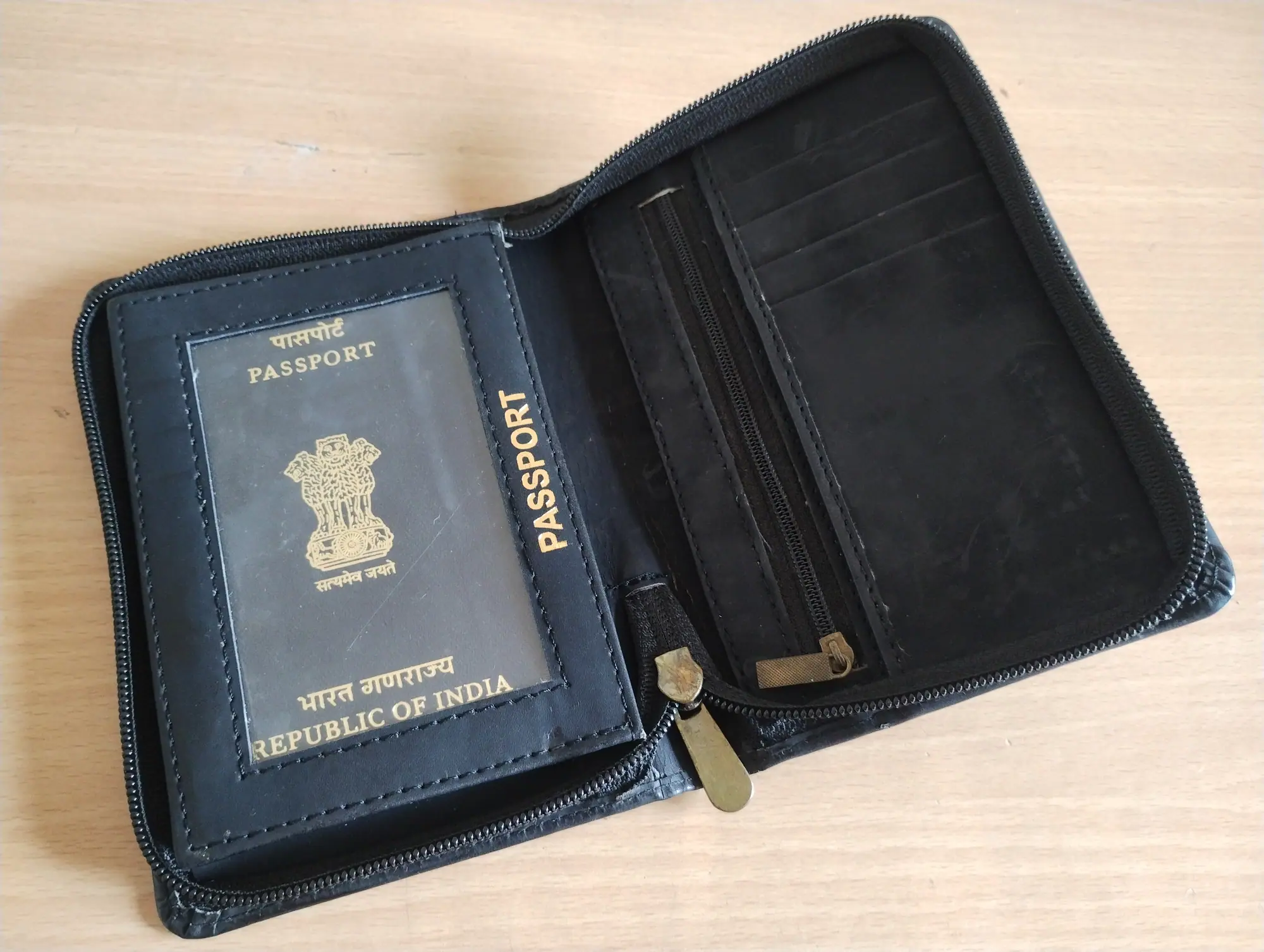
| Passport | Issued within the last 10 years, valid at least 3 months after you leave the Schengen area, two blank pages; bring old passports with earlier visas |
| Application form | Completed online where required, printed and signed; every detail identical to the passport |
| Photographs | Two recent colour photos, 35 x 45 mm, plain light background, face clearly visible |
| Cover letter | Who you are, why you are travelling, dates, route, who pays and why you will return |
| Flight reservation | Return itinerary matching your dates; a paid ticket is not required |
| Accommodation | Hotel bookings for every night in the travellers' names, or an invitation with the host's ID and address proof |
| Travel insurance | At least EUR 30,000 of medical cover including repatriation, valid in all Schengen states for the whole stay |
| Bank statements | Last 3–6 months, bank-stamped or verifiable, showing your name and account number |
| Income tax returns | ITR-V acknowledgements for the last 2–3 assessment years |
| Day-by-day itinerary | City, night count and hotel for each day, matching the bookings |
| Previous visas | Copies of Schengen, UK, US and other visas from recent years |
How should the key documents look?
Passport
If your passport expires within about 15 months, renew it before applying. A Schengen visa cannot run beyond your passport's validity minus three months, so a short-life passport also limits any multiple-entry visa you could be given.
Bank statements
The officer wants three things: salary or business credits that match what you declared, ordinary day-to-day spending, and a balance that still looks healthy after the trip is paid for. Print statements with the bank's seal, or bring e-statements the embassy can verify. A bank's balance certificate alone is not a substitute for statements. If a large credit landed recently, such as a matured fixed deposit, a bonus or a property sale, explain it in the cover letter and attach proof. Our guide on how to show funds goes deeper.
Income tax returns
Bring ITR-V acknowledgements, or the filed return with the computation of income, for two or three years. Salaried applicants should add Form 16. Students, homemakers and others who don't file rely on the sponsor's ITRs.
Travel insurance
The policy must state the cover amount, the territory (Schengen states or worldwide), the exact dates and medical repatriation. A few embassies, including Portugal and the Czech Republic at the time of review, accept only insurers on their approved list. Our travel insurance desk can issue a compliant policy the same day.
Leave letter or NOC
On company letterhead, signed by HR or your manager with their name and designation. It should state your designation, joining date, salary, approved leave dates and that you will resume work afterwards. Date it within a month of the appointment.
Which extra documents depend on who you are?
| Applicant | Extra documents |
|---|---|
| Salaried | Leave letter, last three salary slips, Form 16 |
| Self-employed or business owner | Business registration (GST, Udyam, partnership deed or incorporation certificate), six months of business bank statements, business ITRs |
| Student | Bonafide or enrolment letter, leave letter from the institution, parents' sponsorship letter and financial documents |
| Retired | Pension statements or pension payment order, proof of savings and investments |
| Homemaker | Spouse's sponsorship letter and financial documents, marriage certificate or spouse's name in the passport |
| Minor | Birth certificate, both parents' passport copies, consent from any parent not travelling, school leave letter |
| Visiting family or friends | Invitation letter, host's passport or residence permit, host's address proof |
| Business visit | Invitation from the European company, covering letter from your employer stating who pays |
Some countries use official host declarations, such as France's attestation d'accueil and Germany's formal obligation letter. Ask your host which applies before they write a simple invitation. For children travelling with one parent, read our guide on minors travelling with one parent.
What if someone else is paying?
Sponsored trips are common: parents paying for a student, a spouse funding a homemaker, children funding retired parents. The embassy then assesses the sponsor's finances as closely as yours. Add a signed sponsorship letter naming the traveller, the trip dates and what the sponsor will pay for; the sponsor's bank statements and ITRs; and proof of the relationship, such as a birth or marriage certificate. If the sponsor lives in Europe, their residence permit and payslips replace the Indian documents.
What if you were refused before?
Declare it. Schengen forms ask about previous refusals, and embassies share data through the Visa Information System. Attach the old refusal letter and explain in the cover letter what has changed, whether that is a stronger balance, a clearer itinerary or a job letter that was missing last time.
How should you organise the file?
- Arrange papers in the order of the visa centre's checklist, one set per traveller.
- Bring originals plus one set of A4 copies; most centres keep the copies and return originals.
- Get certified English translations of anything in Hindi or a regional language, such as an older birth certificate.
- Use names exactly as printed in the passport on every booking and letter.
- Write the cover letter last, once every other document is final.
What doesn't help?
- Thick property files for a one-week trip. One property document showing ties is plenty.
- Paid, non-refundable flights. They are not required and are lost if the visa is refused.
- A balance certificate without statements behind it.
- Cancelling hotels after the visa is issued. Embassies can check, and the Entry/Exit System records exactly where and when you enter.
Before the appointment, lay the form, cover letter, bookings and leave letter side by side and check every date. Most avoidable refusals we see come from a date or a name that doesn't match.
If you want a second pair of eyes, our visa assistance team checks Schengen files before submission.
Frequently asked questions
How many months of bank statements do I need for a Schengen visa?
Is a confirmed flight ticket required for a Schengen visa?
Do I need to show ITRs for a Schengen visa?
What travel insurance is accepted for a Schengen visa?
What size photo is needed for a Schengen visa?
Do children need separate Schengen visa documents?
How we checked this page
Last reviewed
Written and fact-checked by the Elitech Travels editorial desk in New Delhi, drawing on our consultants' day-to-day booking work and the official sources below. Rules, fares and fees change — always confirm anything critical with the issuing authority before you travel. Our editorial policy.