Quick answer
The easiest destinations for senior travellers from India are Singapore, Dubai, Switzerland and European river cruises abroad, and Kerala, the Golden Triangle by train, Goa and Rajasthan's palace towns at home. They combine short or comfortable transfers, step-free transport, good hospitals and hotels where you unpack once. Avoid high altitude, long road days and peak heat.
Key takeaways
- Plan two or three bases on a 7-night trip, no more than four or five hours of travel on any day, and a rest half-day every third day.
- Singapore, Dubai (November–March) and Switzerland are the easiest trips abroad; Kerala, the Golden Triangle by train and Goa are the easiest at home.
- Check altitude with your doctor: Jungfraujoch (3,454 m), Kedarnath (3,583 m) and Muktinath (about 3,700 m) are hard on heart and lung conditions.
- Buy travel insurance that covers pre-existing conditions; Schengen visas need at least EUR 30,000 of medical cover.
- Request wheelchair assistance when you book the flight, not at the airport. It is free.
What makes a destination senior-friendly?
Six things, roughly in this order: pace (how many hotel changes and how long each travel day is), walking and steps, altitude, climate, access to good hospitals, and familiar food. A beautiful place that involves 400 steps, a night above 3,500 m or eight-hour road days is a poor choice for most travellers over 65, however much they want to see it. The best senior trips have two or three bases, short transfers, and a car or train between them.
Which destinations abroad suit senior citizens?
| Destination | Walking level | Medical access | Watch out for | Best months |
|---|---|---|---|---|
| Singapore | Low; step-free MRT with lifts | Excellent | Humidity | Feb–Apr |
| Dubai and Abu Dhabi | Low; sightseeing by car | Excellent | Summer heat | Nov–Mar |
| Switzerland | Low to moderate; trains and cable cars | Excellent | Jungfraujoch at 3,454 m; cost | May–Sep |
| Japan | Moderate to high; station stairs | Excellent | Long walking days; vegetarian food | Mar–May, Oct–Nov |
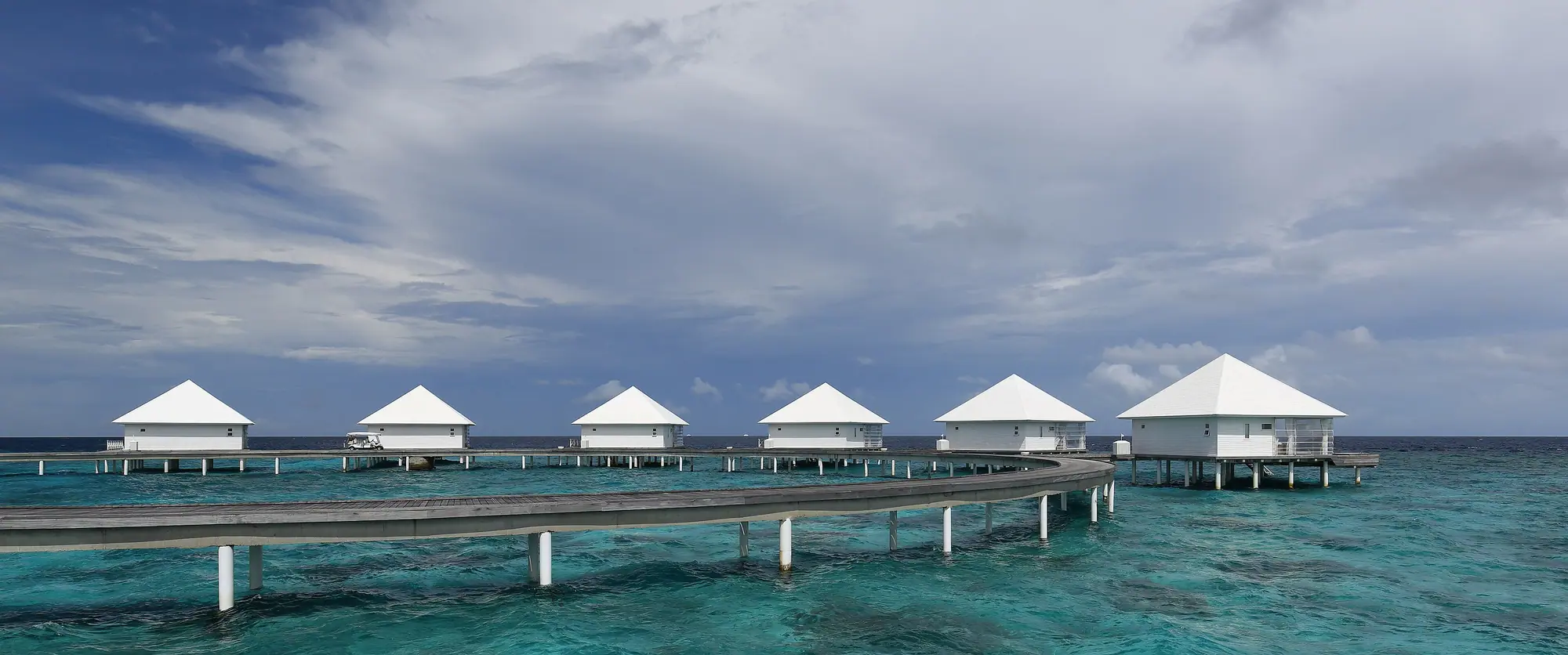
| Mauritius | Low; resort-based | Good | Long day tours | May–Dec |
| Sri Lanka | Moderate | Good in Colombo and Kandy | Long drives; Sigiriya's steep climb | Dec–Apr |
| Nepal (Kathmandu, Pokhara) | Moderate | Good in Kathmandu | Muktinath at about 3,700 m | Oct–Nov, Mar–Apr |
| European river cruise | Low | Good | Cost; Schengen visa | Apr–Oct |
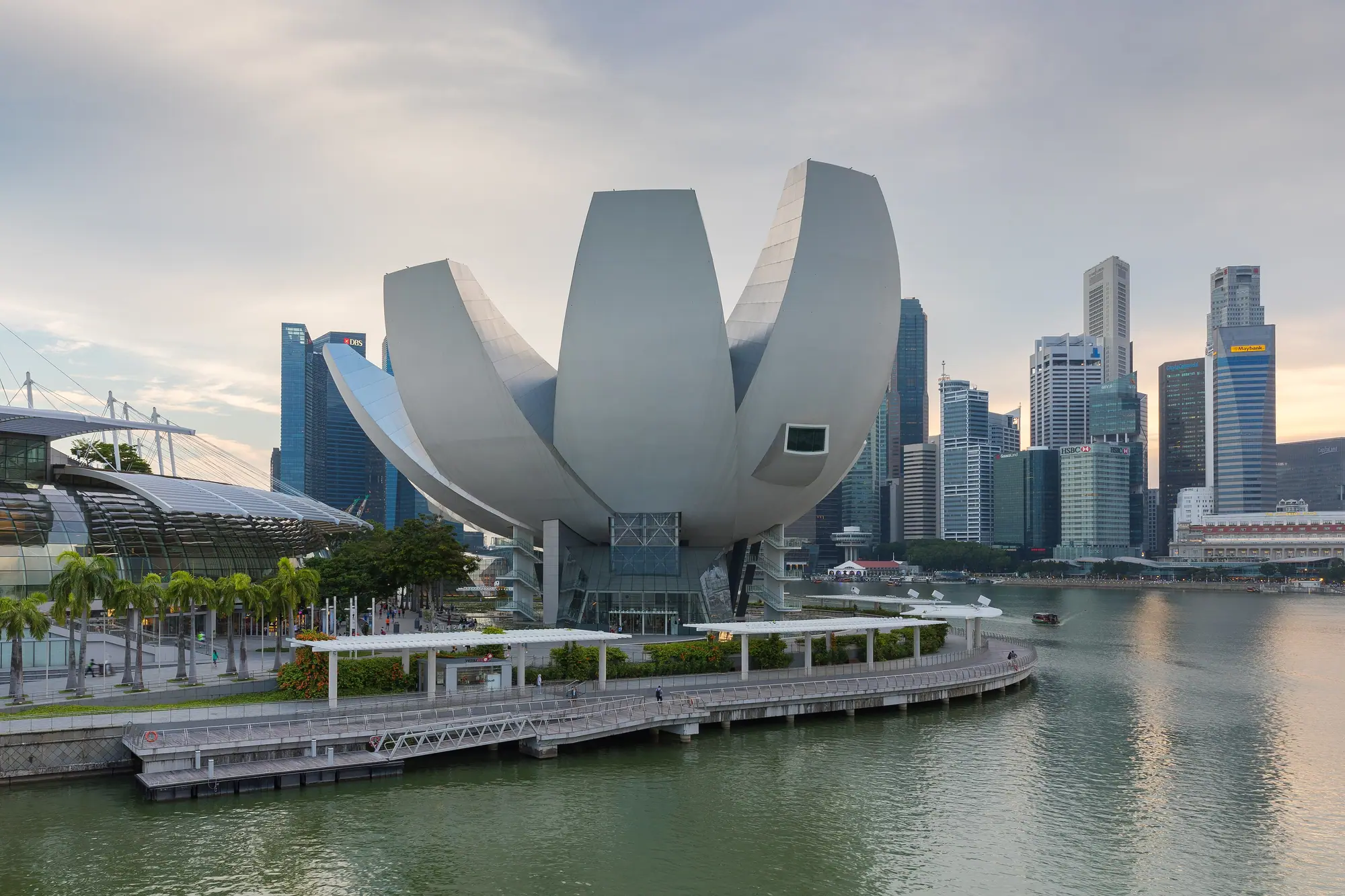
Singapore is the easiest: step-free public transport, wheelchair-friendly attractions such as Gardens by the Bay, and some of Asia's best hospitals. Apply for the Singapore visa through an agent. Dubai suits seniors from November to March: sightseeing is by car, the malls and the Burj Khalifa are fully accessible, and the flight is short.
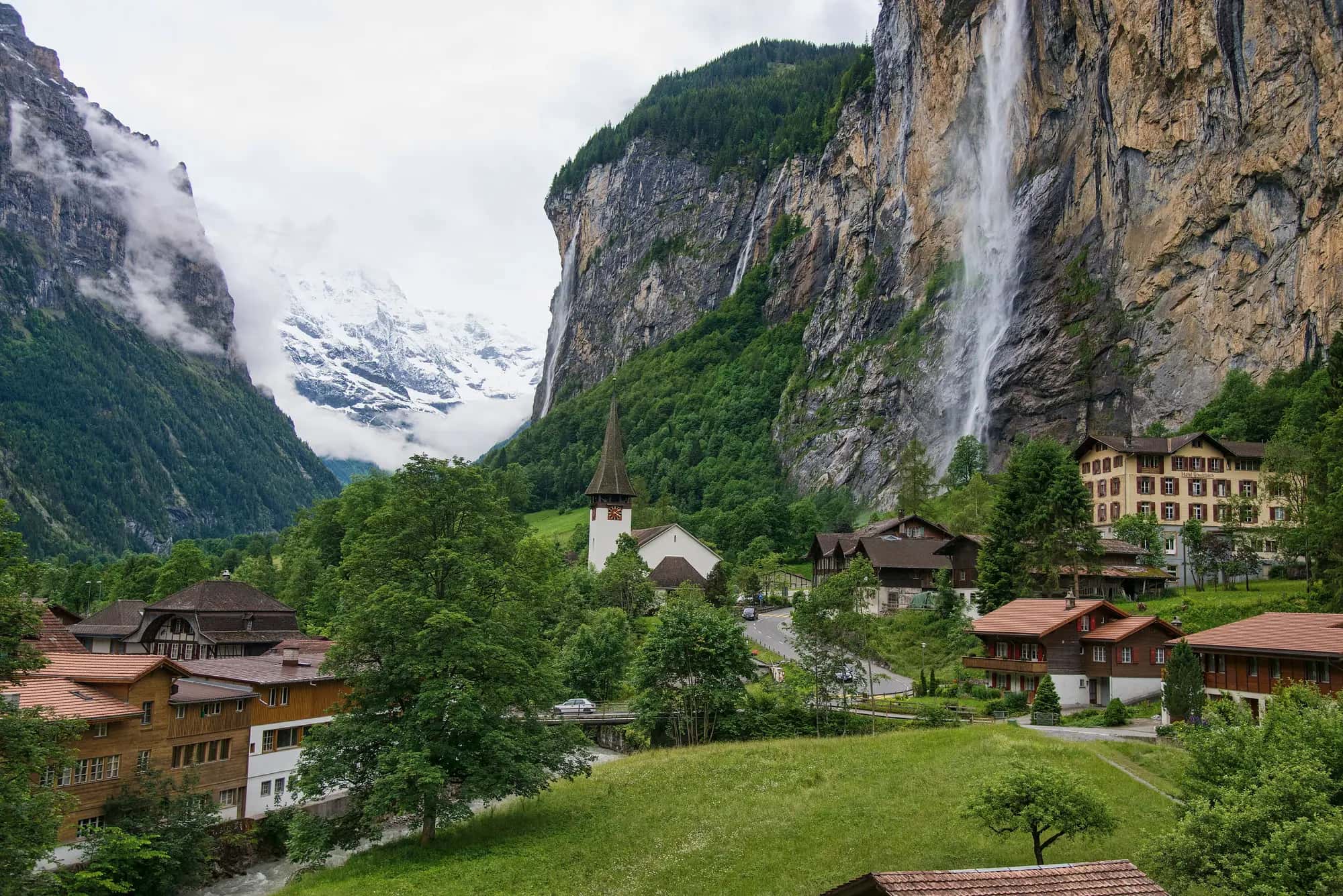
Switzerland is the best of Europe for older travellers because trains, boats and cable cars do the climbing for you. But Jungfraujoch sits at 3,454 m, so anyone with heart or lung conditions should ask a doctor first, or choose lower summits such as Rigi (about 1,800 m) or Pilatus (about 2,100 m). The Switzerland trip cost page shows what a week costs.
Japan has excellent hospitals and very safe streets, but big stations mean long corridors and stairs; use taxis more than you would elsewhere and book private transfers on arrival days. River cruises on the Rhine or Danube remove daily packing entirely, which is why retired couples like them.
Which Indian destinations suit senior citizens?
- Kerala. Munnar's tea hills sit at a gentle 1,500–1,600 m, an Alleppey houseboat involves no walking at all, and Ayurveda centres are everywhere; take treatments only after the centre's doctor has reviewed your medical history. September to March is best; see the best time to visit Kerala.
- Golden Triangle by train. The Gatimaan Express takes about 100 minutes from Delhi to Agra, and Jaipur is a comfortable train or road day. Battery vehicles run from the Taj Mahal parking areas to the gates. October to March is best; see the Golden Triangle's best time.
- Rajasthan's palace towns. Udaipur and Jodhpur work well at a slow pace. Mehrangarh Fort has a lift, while Jaisalmer's fort lanes are steep and uneven.
- Goa. Quiet South Goa resorts from November to February, with good hospitals in Panaji and Margao.
- Varanasi. The Kashi Vishwanath corridor has made the temple approach easier, but the ghats are steep, so see them from a boat.
- Char Dham. Possible for fit seniors with a doctor's clearance, using the Kedarnath helicopter and ponies or palkis elsewhere; Kedarnath sits at 3,583 m. The state runs health screening on the route. See the Char Dham trip cost, and book helicopters only on official portals.
How should you pace a trip for older travellers?
- Keep road travel to four or five hours a day, with a rest half-day every third day.
- Avoid flights before 8 a.m. and after 10 p.m.; a 3 a.m. airport start wipes out the next day.
- Ask hotels for a room near the lift on a lower floor, with a walk-in shower rather than a bathtub. Heritage hotels in Rajasthan and older hill-station properties often have stairs and no lift, so ask before you book.
- Build in a full rest day after any flight longer than six hours, especially one that crosses several time zones.
- Choose private car tours over coach tours, so the day can bend to how everyone feels.
- Carry medicines in your cabin bag, in original packaging, with prescriptions and three or four days' spare supply. Some countries, including the UAE and Japan, restrict certain painkillers, sleeping pills and cold medicines, so check before you pack.
When you book flights, request wheelchair assistance for anyone who cannot walk long distances. Airlines use the code WCHR for passengers who can manage steps but not long walks, WCHS for those who cannot manage steps, and WCHC for those who need help to their seat. The service is free; ask at booking, not at check-in.
What about medical access and travel insurance?
Buy travel insurance for every senior trip abroad, and read the pre-existing condition clause carefully. Many standard policies exclude existing illnesses or cover them only in a life-threatening emergency, premiums rise sharply after 70, and some insurers set upper age limits. Schengen visas require medical cover of at least EUR 30,000 (Schengen visa). Carry a one-page summary from your doctor listing diagnoses, medicines by generic name, allergies and blood group, and keep your insurer's emergency number on paper as well as on your phone.
At home, Indian Railways' senior citizen fare concession was withdrawn in 2020 and had not been restored at the time of review, though lower-berth priority for seniors still applies when you book. Our travel insurance page explains what to look for in a policy, and our senior citizen tour packages are planned around these rules.
Frequently asked questions
Which foreign country is best for senior citizens from India?
Is Switzerland suitable for elderly parents?
Can senior citizens do the Char Dham Yatra?
Does travel insurance cover senior citizens with pre-existing conditions?
Are there senior citizen concessions on trains and flights in India?
How long should a trip for senior citizens be?
How we checked this page
Last reviewed
Written and fact-checked by the Elitech Travels editorial desk in New Delhi, drawing on our consultants' day-to-day booking work and the official sources below. Rules, fares and fees change — always confirm anything critical with the issuing authority before you travel. Our editorial policy.