Quick answer
The essential things to do in Kenya are game drives in the Maasai Mara, a Mara River crossing between July and October, a sunrise balloon flight, Amboseli for elephants under Kilimanjaro, and a boat ride on Lake Naivasha. In Nairobi, see the elephant orphanage and Giraffe Centre. Six days covers Nairobi, the Mara and one lake.
13 things worth your time in Kenya
- 01
Game drives in the Maasai Mara
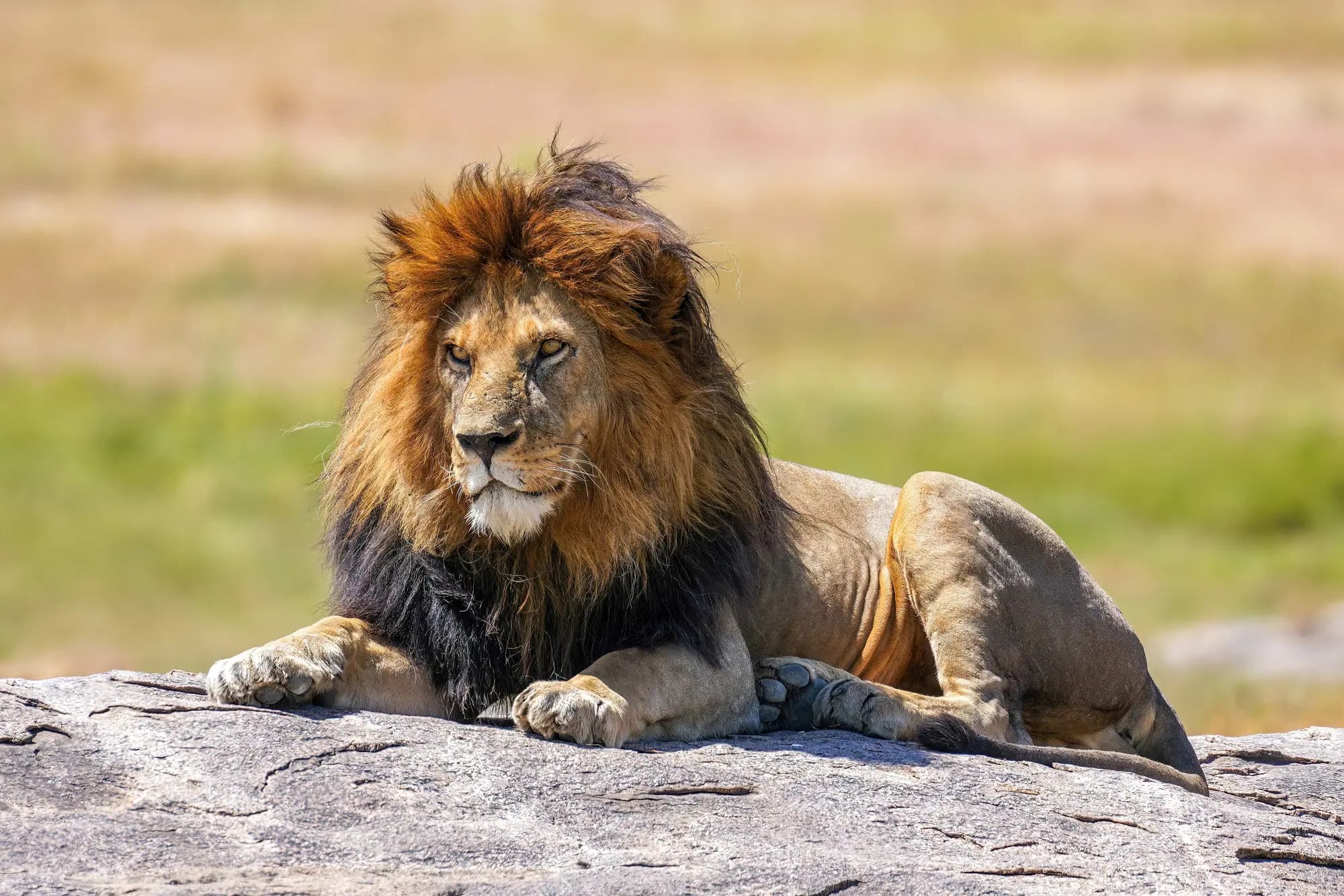
NatureKenya's best-known reserve has lions, leopards, cheetahs, elephants and buffalo on open grassland that makes sightings easy.
2–4 daysPark fee USD 100–200 (₹8,800–17,600) per day, usually in your packageInsist on a 4x4 Land Cruiser with a pop-up roof rather than a minivan; the Mara's tracks get rough.
- 02
Mara River crossing
NatureThousands of wildebeest plunge into a crocodile-filled river. It is the moment most migration travellers come for.
2–6 hours of waitingIncluded in a Mara safari (July–October only)Pack lunch, carry patience and keep quiet; herds turn back if vehicles crowd the bank.
- 03
Hot-air balloon safari
ExperienceAn hour drifting over the Mara at sunrise, followed by a bush breakfast where you land.
3–4 hours with breakfastAbout ₹40,000–48,000 (USD 450–550)Book when you book your lodge; flights in August sell out. Pickups start around 5 am.
- 04
Maasai village visit
CultureSee a Maasai homestead, the jumping dance and fire-making, and learn how families live alongside wildlife.
1–1.5 hoursAbout ₹1,800–4,400 (USD 20–50) per personAgree the fee beforehand and expect a beadwork market at the end. Ask before photographing anyone.
- 05
Amboseli National Park
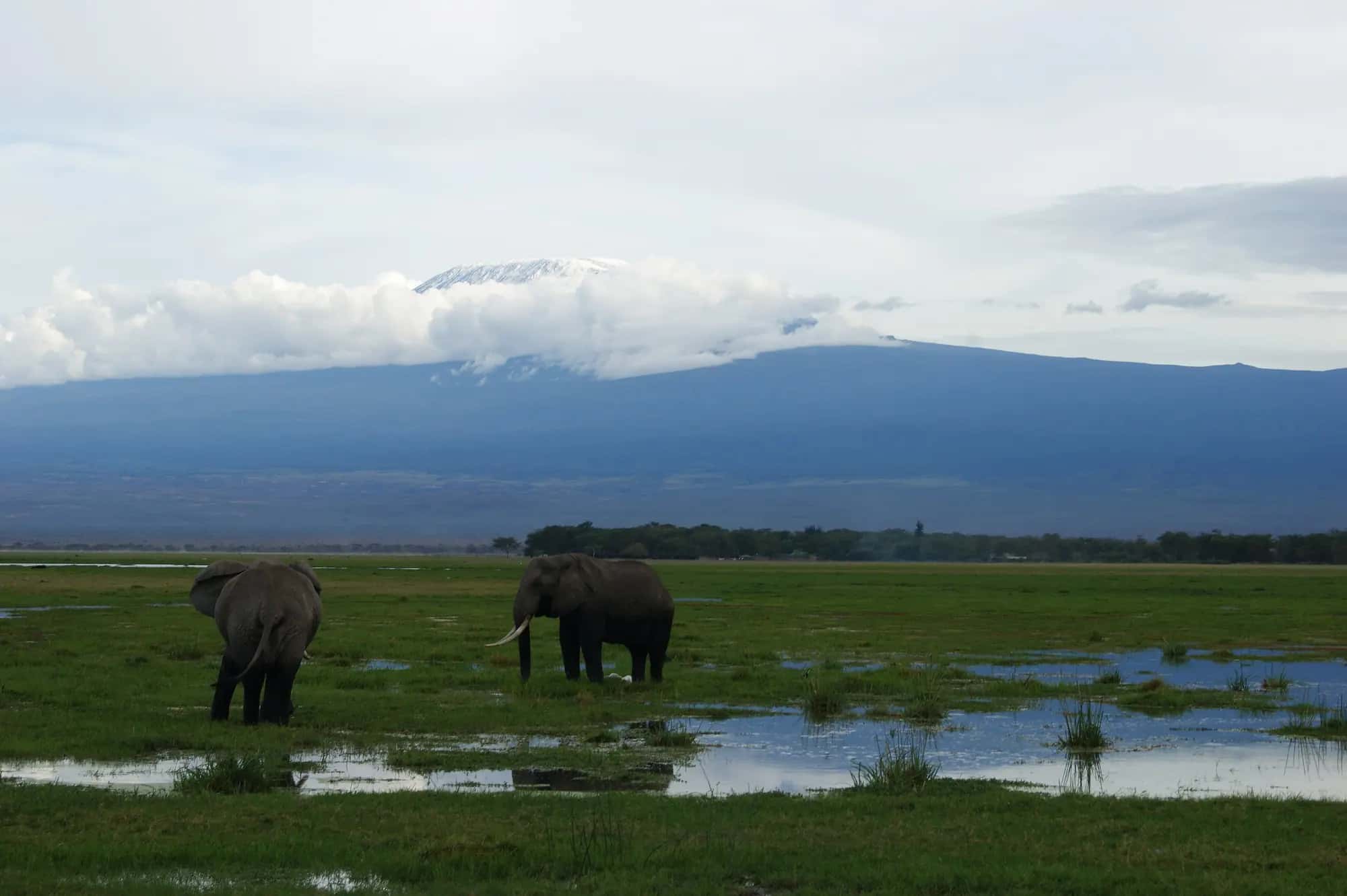
NatureBig elephant herds with Mount Kilimanjaro behind them, plus swamps that draw wildlife in the dry season.
2 nightsPark fee about ₹5,300–7,900 (USD 60–90) per day at the time of reviewThe mountain is usually clearest at dawn and just before sunset; clouds cover it by mid-morning.
- 06
Lake Nakuru National Park
NatureA fenced park with good odds of black and white rhino, Rothschild's giraffe and tree-climbing lions.
Half to full dayPark fee about ₹5,300–7,900 (USD 60–90) per dayFlamingo numbers have dropped since lake levels rose, so come for rhinos, not pink shorelines.
- 07
Lake Naivasha and Crescent Island
NatureHippos and fish eagles from a boat, then a walking safari among giraffe, zebra and wildebeest on Crescent Island.
Half dayBoat ride about ₹1,800–3,500 (USD 20–40); island walk about ₹2,600–3,500 (USD 30–40)A good break after the Mara: no vehicle, no dust, and easy for children and seniors.
- 08
Cycling in Hell's Gate National Park
ExperienceOne of the few parks where you can cycle among zebra and giraffe, past cliffs and into a narrow gorge.
Half dayPark fee about ₹2,600 (USD 30) plus bike hire ₹900–1,300Hire a guide for the gorge walk; flash floods are a risk after rain.
- 09
Sheldrick elephant orphanage
WildlifeWatch orphaned baby elephants being bottle-fed and mud-bathed during a one-hour public visit each morning.
1 hourAbout ₹1,000–1,800 (USD 12–20); book onlineVisits are around 11 am and need advance booking. Pair it with the Giraffe Centre nearby.
- 10
Giraffe Centre, Nairobi
WildlifeFeed endangered Rothschild's giraffes from a raised platform, a favourite with children.
1 hourAbout ₹1,000 (KES 1,500)Go at opening time on arrival day; it is 30–40 minutes from most Nairobi hotels.
- 11
Nairobi National Park
NatureLions and rhinos with city skyscrapers behind them, 20 minutes from the centre.
Half dayPark fee about ₹5,300–7,000 (USD 60–80) plus vehicleUseful on a departure day with an evening flight, as the park is close to the airport.
- 12
Ol Pejeta Conservancy
NatureHome to the last two northern white rhinos, a chimpanzee sanctuary and night drives not allowed in national parks.
1–2 nightsConservancy fee about ₹8,000–10,600 (USD 90–120) per dayBest on a longer trip combined with Samburu in the north.
- 13
Diani Beach or Mombasa
BeachWhite-sand Indian Ocean beaches after the dust of safari, and Mombasa has a large Gujarati community and food.
3–4 nightsNairobi–Ukunda flight about ₹7,000–13,000 one wayThe Madaraka Express train from Nairobi to Mombasa takes about 5–6 hours and is a comfortable alternative.
How many days do you need in Kenya?
Six days is the minimum for a satisfying first safari: one night in Nairobi, three in the Maasai Mara and one at Lake Naivasha or Nakuru. With eight or nine days you can add Amboseli for elephants under Kilimanjaro. A beach extension to Diani adds three or four more.
Road or flight to the Maasai Mara?
The drive from Nairobi takes 5–6 hours, with a stop at the Great Rift Valley viewpoint. It is the cheaper option and most packages use it. Light aircraft from Nairobi's Wilson Airport reach Mara airstrips in about 45–60 minutes and add roughly ₹35,000–55,000 per person return. For seniors or anyone with back trouble, flying is worth the money.
What to know before you go
- Yellow fever certificate: India requires one from travellers arriving from Kenya. Get vaccinated at an authorised centre at least ten days before departure.
- Vehicles: a 4x4 Land Cruiser with a pop-up roof is far better than a minivan for photography and rough roads.
- Luggage: light aircraft allow about 15 kg in soft bags.
- Tipping: guides and camp staff expect tips, usually USD 10–20 per day per group for your driver-guide.
Most of the cost of a Kenyan safari is park fees and lodge rates, not flights. Travelling between January and June roughly halves the Mara fee.
Plan the rest of your trip
Get your eTA through our Kenya visa guide, check the best time to visit Kenya for migration timing, and budget with the Kenya safari cost breakdown. Our vegetarian food guide to Kenya covers Jain and Gujarati options, and we can arrange travel insurance that covers evacuation.
Frequently asked questions
Do I need a yellow fever vaccine for a Kenya trip?
Should I fly or drive to the Maasai Mara?
Is a Kenya safari suitable for children and senior citizens?
How much should I tip on a Kenyan safari?
How we checked this page
Last reviewed
Written and fact-checked by the Elitech Travels editorial desk in New Delhi, drawing on our consultants' day-to-day booking work and the official sources below. Rules, fares and fees change — always confirm anything critical with the issuing authority before you travel. Our editorial policy.