Quick answer
The best things to do in Egypt are the Giza pyramids and Sphinx, the Grand Egyptian Museum, a three- or four-night Nile cruise between Aswan and Luxor, Karnak Temple, the Valley of the Kings and Abu Simbel. Add a Luxor balloon ride, a felucca sail in Aswan and Islamic Cairo's Khan el-Khalili. Plan seven to eight days for a first visit.
13 things worth your time in Egypt
- 01
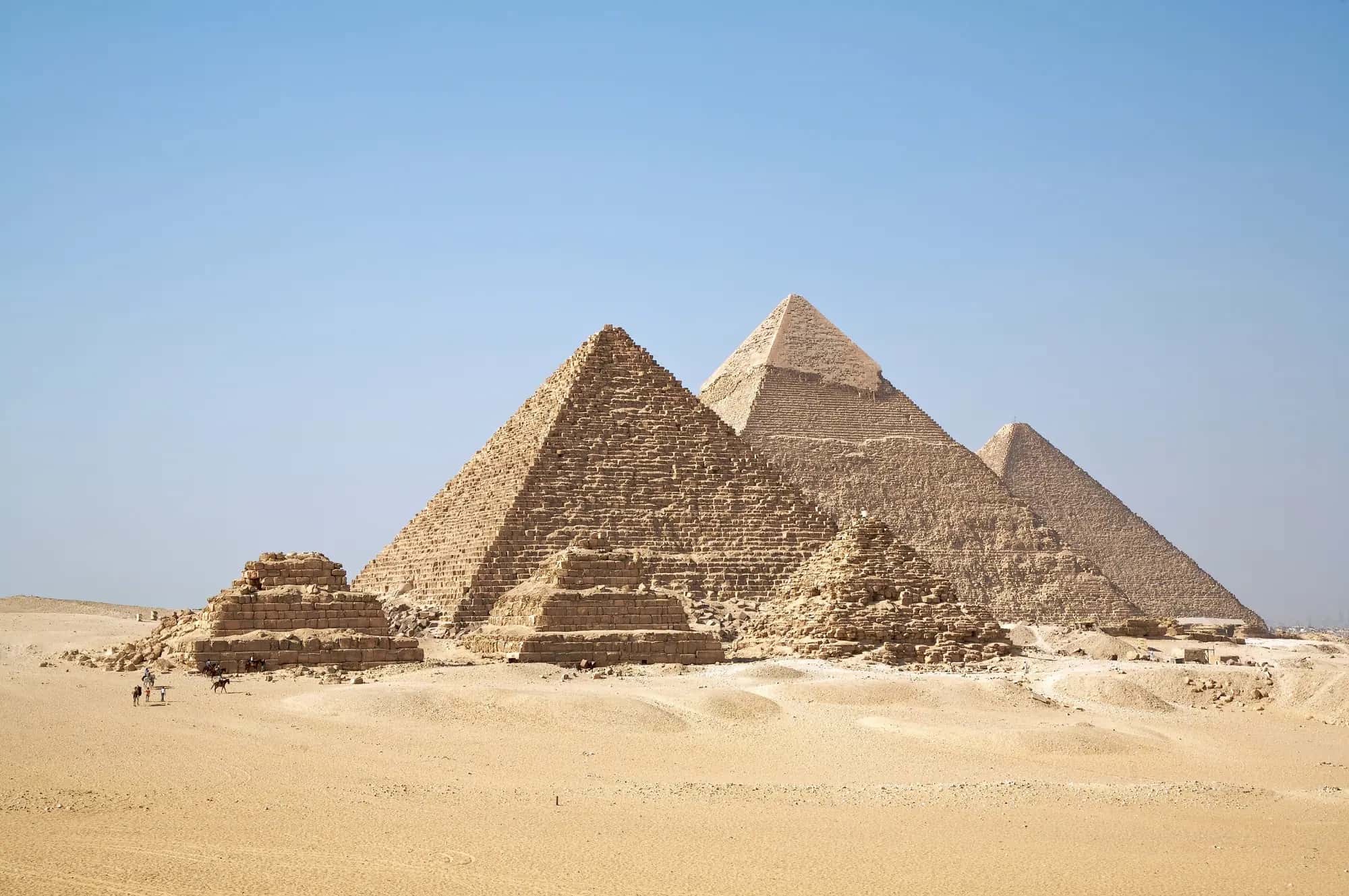
Giza pyramids and the Great Sphinx
LandmarkThe last standing wonder of the ancient world, plus the Sphinx and the panoramic viewpoint over all three pyramids.
3–4 hoursAbout ₹1,260 (EGP 700) plateau entry; inside the Great Pyramid about ₹1,620 (EGP 900) extraArrive at opening. Agree any camel or horse ride price in writing first, and ignore anyone who says the site is closed.
- 02
Grand Egyptian Museum
LandmarkThe world's largest museum devoted to one civilisation, beside the Giza plateau, with the full Tutankhamun collection and a colossal Ramesses II statue in the atrium.
3–4 hoursAbout ₹2,600–3,300 (EGP 1,450–1,830); prices rising in late 2026Book a timed slot online through the official portal only; several look-alike websites exist.
- 03
Saqqara and Dahshur
LandmarkThe Step Pyramid of Djoser, the oldest stone monument of its scale, and the Bent and Red Pyramids, which you can enter with few crowds.
Half dayAbout ₹900–1,300 (EGP 500–700) for Saqqara; Dahshur extraCombine with Giza only if you start early; otherwise give it its own morning.
- 04
Islamic Cairo and Khan el-Khalili
ShoppingMedieval mosques, gates and caravanserais around Al-Muizz Street, ending in the Khan el-Khalili bazaar for brass, spices and lamps.
3–4 hoursFree to walk; small fees at some mosquesGo late afternoon into evening. Bargain firmly; first prices are often double.
- 05
Coptic Cairo
LandmarkThe Hanging Church, Ben Ezra Synagogue and Roman fortress walls in a compact, walkable quarter.
2 hoursChurches free; Coptic Museum small feeDress modestly and avoid Sunday morning services.
- 06
Nile cruise between Aswan and Luxor
ExperienceThe classic way to see Upper Egypt, stopping at Kom Ombo and Edfu temples, with river views from the sun deck.
3–4 nightsAbout ₹28,000–60,000 per person, full board, twin shareAsk whether guided visits and entry tickets are included. Many Indian-friendly cruises add a dal or paneer dish on request.
- 07
Karnak and Luxor temples
LandmarkKarnak's Hypostyle Hall has 134 giant columns; Luxor Temple is best lit at night, linked to Karnak by the Avenue of Sphinxes.
4 hoursAbout ₹1,000–1,300 (EGP 550–750) eachKarnak in the early morning, Luxor Temple after dark.
- 08
Valley of the Kings and Hatshepsut's temple
LandmarkPainted royal tombs cut into the West Bank cliffs, and the terraced mortuary temple of Queen Hatshepsut nearby.
Half dayAbout ₹1,350 (EGP 750) for three tombs; Tutankhamun and Seti I extraStart at 6 am in any season; the valley traps heat by 11 am.
- 09
Luxor hot-air balloon
ExperienceSunrise over the West Bank temples, villages and the Nile from about 1,000 m.
3–4 hours including pickupAbout ₹5,000–12,000 (USD 55–135) depending on seasonChoose an operator with a good safety record; flights are cancelled in high winds.
- 10
Abu Simbel
Day tripTwo temples of Ramesses II, moved block by block in the 1960s to escape Lake Nasser. One of Egypt's most impressive sights.
Full day from AswanAbout ₹1,350–1,550 (EGP 750–850) entry plus transportThe road trip is about 3.5 hours each way from Aswan, leaving around 4 am. A short flight is easier for seniors.
- 11
Philae Temple
LandmarkThe Temple of Isis on an island in the Nile, relocated like Abu Simbel and set beautifully on the water.
2 hoursAbout ₹1,000 (EGP 550) plus boatAgree the boat fare at the jetty before boarding.
- 12
Felucca sail and Nubian village, Aswan
ExperienceA sailing boat past Elephantine Island at sunset, and colourful Nubian houses on the West Bank.
2–3 hoursAbout ₹550–1,100 (EGP 300–600) per boat for an hourSunset is best; carry small notes for tips.
- 13
Red Sea snorkelling (Hurghada or Sharm El Sheikh)
NatureSome of the most accessible coral reefs in the world, a one-hour flight or a long drive from Luxor.
Full dayBoat trips about ₹2,600–5,300 (USD 30–60)Add two or three nights at the end of the trip if you want a beach break.
How many days do you need in Egypt?
Seven to eight days is right for a first trip: three in Cairo and Giza, three or four on a Nile cruise between Aswan and Luxor, and Abu Simbel from Aswan. Ten days lets you add the Red Sea. Our eight-day plan is on the itineraries page.
Ticket costs add up
Egypt has raised entry fees for foreigners several times since 2024. At late-2026 rates, a typical first trip spends roughly ₹12,000–18,000 per person on entry tickets alone, before guides. The Grand Egyptian Museum is the single most expensive ticket, and an increase was reported from November 2026. Budget for this on Egypt trip cost, and carry a card that works abroad, since many ticket offices are now cashless. A forex card is simpler than juggling US dollars.
Touts, tips and comfort
Giza, Karnak and Khan el-Khalili have persistent touts. A polite, firm "la, shukran" (no, thank you) and walking on works. Tipping (baksheesh) is expected for guides, drivers, cruise staff and toilet attendants; carry small notes in Egyptian pounds.
Dress modestly in towns and at religious sites, with shoulders and knees covered. Sun protection matters even in winter, because temple sites have little shade. Drink bottled water only, and go easy on raw salads for the first few days if your stomach is sensitive.
Choose your months carefully: Luxor and Aswan regularly pass 40°C from May to September. See best time to visit Egypt.
Indian passport holders need a visa before flying in most cases; see our Egypt visa guide.
Frequently asked questions
Is a Nile cruise worth it?
Can I go inside the Great Pyramid?
Is Abu Simbel worth the early start?
How much should I budget for entry tickets in Egypt?
How we checked this page
Last reviewed
Written and fact-checked by the Elitech Travels editorial desk in New Delhi, drawing on our consultants' day-to-day booking work and the official sources below. Rules, fares and fees change — always confirm anything critical with the issuing authority before you travel. Our editorial policy.