Quick answer
Arrive on day one for the havelis and a sunset at Bada Bagh. On day two, see Gadisar at sunrise and the fort's Jain temples, then drive via Kuldhara to Sam or Khuri for a camel ride and a night in camp. Day three is a dune sunrise and an optional drive to Longewala and Tanot. Land costs start around ₹12,000 per person.
The route
- Jaisalmer old city
- Fort
- Kuldhara
- Sam or Khuri dunes
- Longewala and Tanot
Day-by-day plan
- 1
Day 1
Arrival and the havelis
Morning: Arrive by overnight train from Delhi or Jaipur, or drive in from Jodhpur, about five hours. Check in and rest.
Afternoon: Patwon ki Haveli, then Nathmal ki Haveli and Salim Singh ki Haveli nearby.
Evening: Sunset at Bada Bagh's cenotaphs, then a rooftop dinner facing the floodlit fort.
Stay: Old city below the fort
Ask your hotel to book tomorrow's camp and camel ride now; prices are better than at the dunes.
- 2
Day 2
Fort morning, desert night
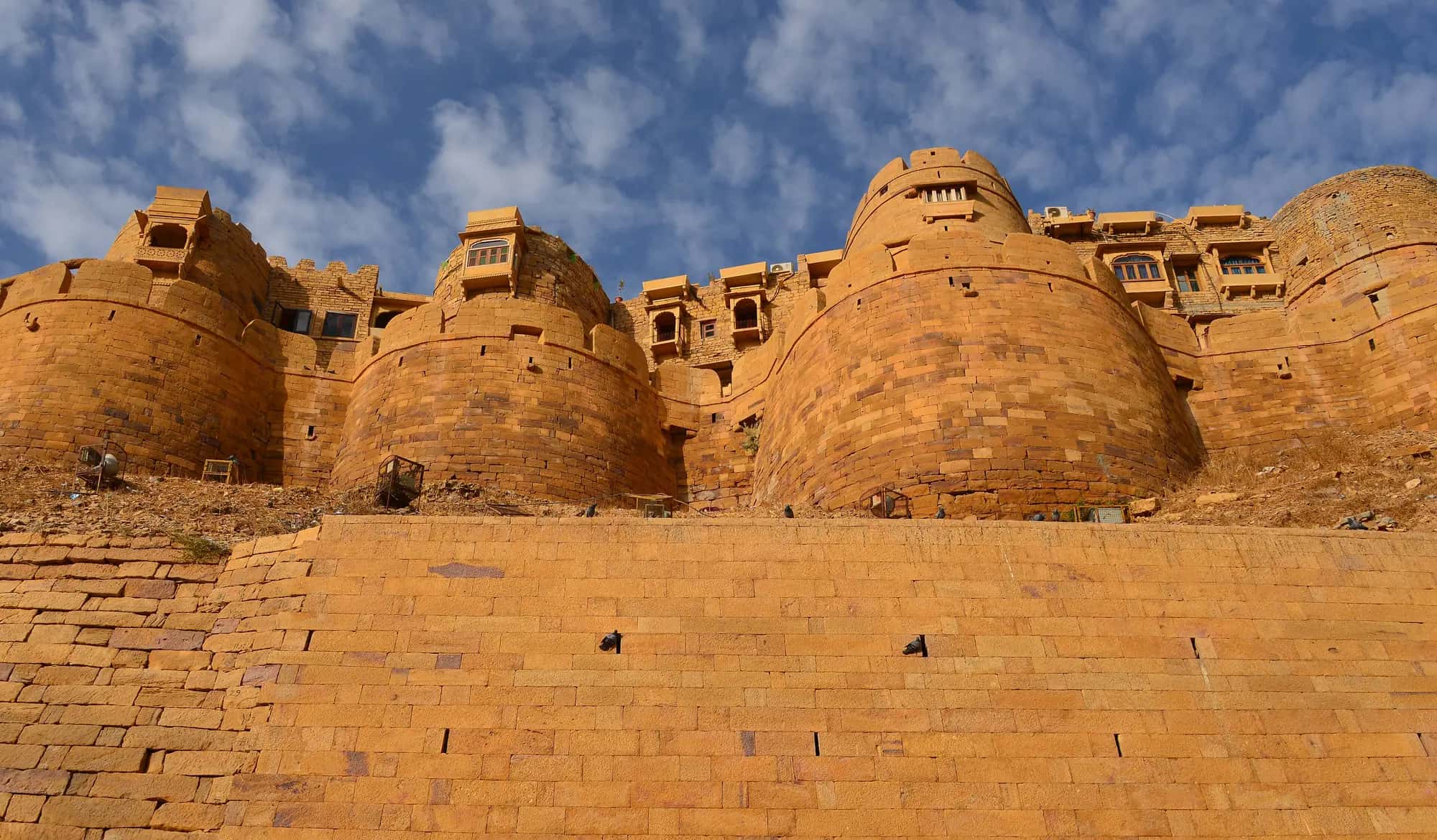
Morning: Gadisar Lake at sunrise, then the fort: the Jain temples, which admit visitors only in the morning, the Fort Palace Museum and the lanes.
Afternoon: Check out and drive west, stopping at Kuldhara's abandoned village, to Sam (42 km) or Khuri (45 km).
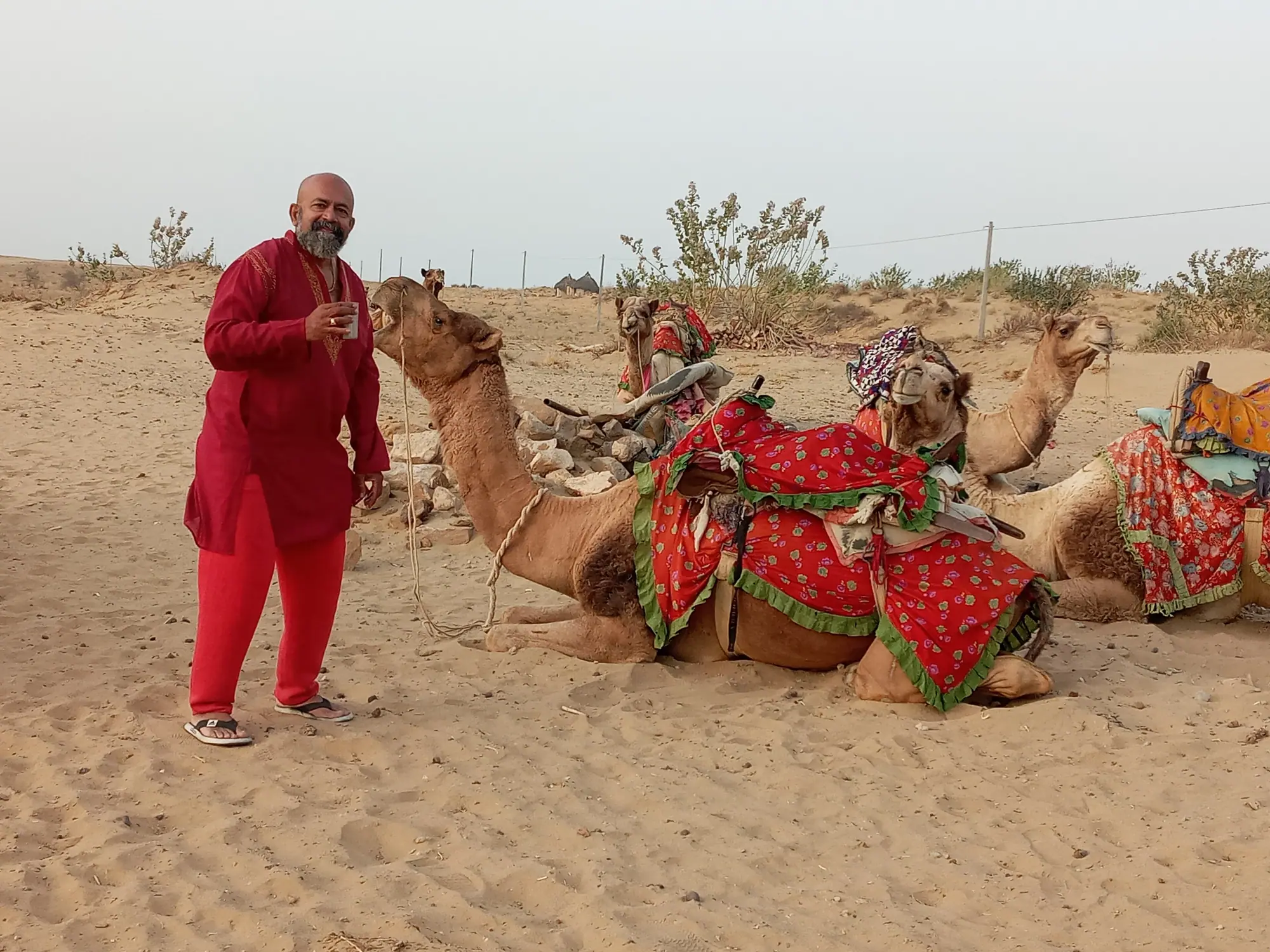
Evening: Camel ride at sunset, then folk music, dinner and stargazing at camp.
Stay: Desert camp at Sam or Khuri
Agree the camel ride's length and whether the price is per person or per camel.
- 3
Day 3
Dune sunrise and the border
Morning: Sunrise walk on the dunes and breakfast at camp.
Afternoon: Drive to Longewala's 1971 war memorial and the Tanot Mata temple, about 2.5–3 hours each way, or return to Jaisalmer.
Evening: Back in Jaisalmer for an overnight train or onward drive.
Longewala and Tanot add about 250 km of driving. Skip them if you are continuing to Jodhpur the same day.
How this Jaisalmer plan works
Jaisalmer needs one day for the city and one night in the desert. This plan does the havelis on arrival, the fort on the second morning when the Jain temples are open, and moves you to the dunes for sunset. Day three is flexible: a slow morning in the sand, or the long drive to Longewala and Tanot for those interested in the 1971 war.
What the cost covers
The mid-range figure of about ₹12,000 per person assumes one night in a 3-star or heritage hotel below the fort and one night in a mid-range Swiss tent with dinner, breakfast and the cultural programme, on twin sharing. It also covers a car for transfers and the dunes, a camel ride, and entry fees. Add about ₹2,000–3,000 per person for the Longewala and Tanot drive. Flights and trains are excluded.
Sam or Khuri?
Sam has bigger dunes and livelier camps; Khuri is quieter with smaller dunes. Families who want the music and the crowd usually prefer Sam, couples often prefer Khuri. See where to stay in Jaisalmer for a fuller comparison.
Pack a warm jacket from December to February. Desert nights drop to 4–8 °C, and the cultural programme is outdoors.
Plan the rest
Check the best time to visit Jaisalmer, since camps close in summer, and see the full list of things to do in Jaisalmer. Jaisalmer usually sits in the middle of a longer Rajasthan trip; see the Rajasthan trip cost for budgets.
Frequently asked questions
Should I stay in the desert camp for both nights?
How do I get to Jaisalmer?
Is the Longewala and Tanot trip worth it?
How we checked this page
Last reviewed
Written and fact-checked by the Elitech Travels editorial desk in New Delhi, drawing on our consultants' day-to-day booking work and the official sources below. Rules, fares and fees change — always confirm anything critical with the issuing authority before you travel. Our editorial policy.