Quick answer
For a first trip, split your stay: one night on a houseboat on Dal or Nigeen Lake, two in a Srinagar hotel on the Boulevard or in Rajbagh, one in Gulmarg and one in Pahalgam. Houseboats give atmosphere; hotels give reliable heating, space and easier early starts. Mid-range doubles typically cost ₹3,500–8,000 a night.
The best areas to stay in Kashmir
Dal Lake houseboats
₹₹Best for: First-timers, couples, the classic Srinagar night
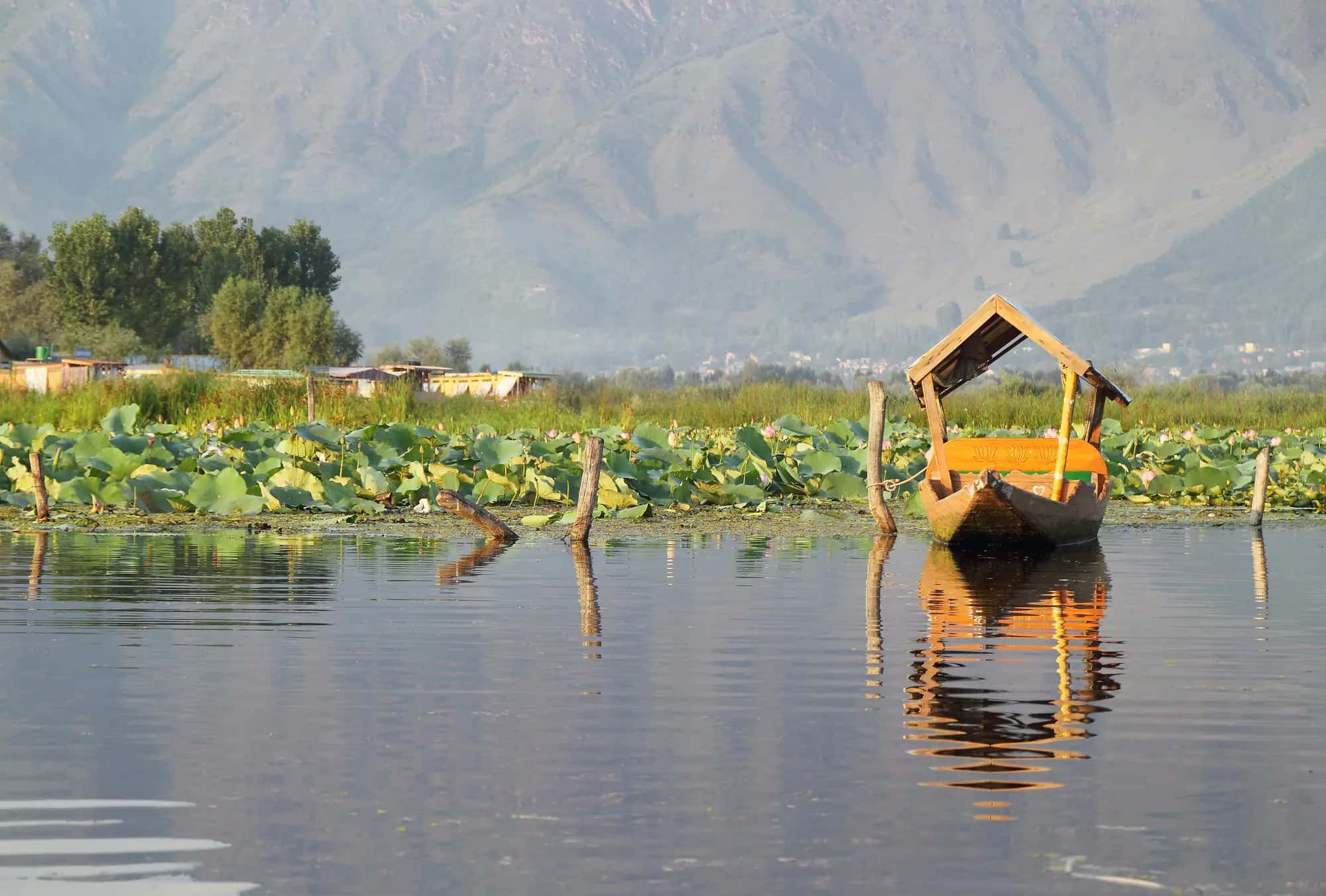
Carved cedar houseboats moored off the Boulevard, with shikara access, meals on board and sunsets over the Zabarwan hills.
Hawker boats and noise near the busy ghats; heating and hot water vary widely; night access is by shikara.
Doubles from ₹3,500 a night
Nigeen Lake houseboats
₹₹₹Best for: Honeymooners, quiet seekers
A calmer, cleaner lake north of Dal with fewer hawkers and many of the better-run deluxe houseboats.
Further from the Boulevard and the Mughal gardens; few restaurants within walking distance.
Doubles from ₹6,000 a night
Boulevard Road and Rajbagh, Srinagar
₹₹Best for: Families, senior citizens, winter travellers
Hotels with central heating, lifts and parking, close to the lake, the gardens road and Lal Chowk.
Boulevard traffic in season; road-facing rooms can be noisy.
Doubles from ₹3,000 a night
Gulmarg
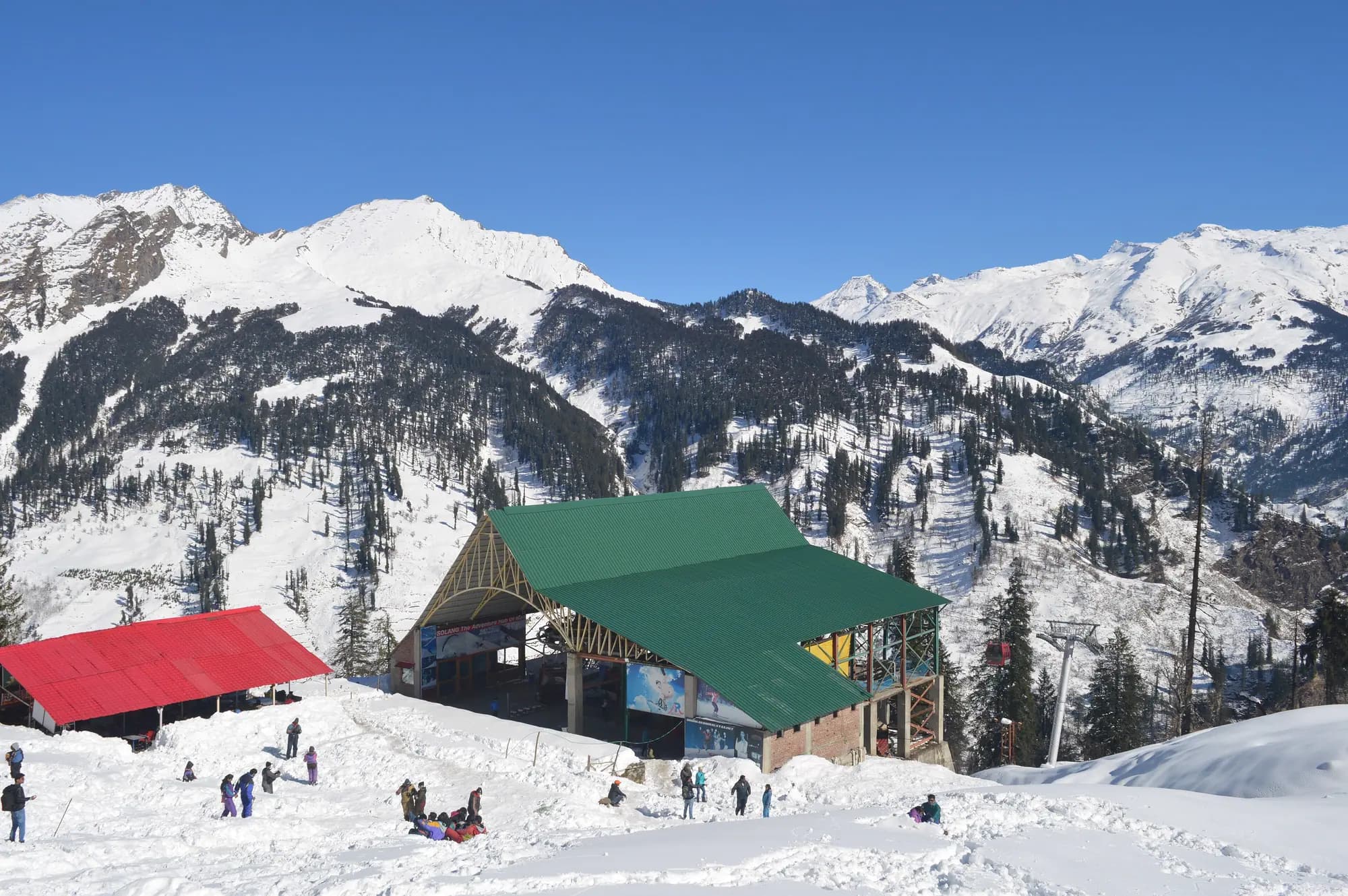
₹₹₹Best for: Snow lovers, skiers, early Gondola riders
Sleeping on the meadow lets you ride the first Gondola and see Gulmarg empty at dusk.
Limited, pricey rooms; Christmas–New Year and February sell out months ahead; few places to eat.
Doubles from ₹6,000 a night
Pahalgam
₹₹Best for: Families, river walks, a slower pace
Riverside hotels along the Lidder, with pine forest and easy union-taxi access to Betaab, Aru and Chandanwari.
Crowded during the Amarnath Yatra in July and August; some hotels close in deep winter.
Doubles from ₹3,500 a night
Sonamarg
₹Best for: An early start for Thajiwas Glacier
A handful of hotels and camps near the meadow, useful if you want the glacier before day-trippers arrive.
Basic options, crowded during the Yatra and limited heating in winter.
Doubles from ₹2,500 a night
₹ budget · ₹₹ mid-range · ₹₹₹ premium. Nightly rates are starting prices for a double room outside peak dates.
Houseboat or hotel: which should you choose?
Both, ideally. A night on a houseboat is the most memorable thing most people do in Srinagar: carved walnut-wood interiors, breakfast on the deck and a shikara at your door. But houseboats have limits. Rooms are often small, heating and hot water depend on the owner, and you reach many of them by shikara, which is awkward with grandparents, toddlers or heavy bags.
Hotels on the Boulevard or in Rajbagh are the practical base for early starts to Sonamarg and Gulmarg. In winter, a centrally heated hotel is far more comfortable than most houseboats.
How are houseboats graded?
The J&K tourism department classifies houseboats from deluxe down through categories A to D. For a comfortable stay, choose deluxe or category A, confirm the category in writing, and ask specifically about heating, hot water hours and how you board after dark.
How should you split your nights?
On most 5-night trips we plan, the best split is one houseboat night, two Srinagar hotel nights, one in Gulmarg and one in Pahalgam. That matches the 6-day Kashmir route in itineraries and keeps driving to a minimum.
Do not book a houseboat through touts at Srinagar airport or on the Boulevard. Book a registered houseboat in advance, and check recent reviews for heating and cleanliness.
When do you need to book early?
Gulmarg for Christmas–New Year and February, Srinagar houseboats for the tulip season in early April, and everything in May and June. Pahalgam fills up fast during the Amarnath Yatra.
Time your trip with the best time to visit Kashmir and the best time to visit Gulmarg, set a budget on Kashmir trip cost, and see what to eat on board in what to eat in Kashmir.
Frequently asked questions
Is it safe to stay on a houseboat in Srinagar?
Dal Lake or Nigeen Lake: which is better for a houseboat?
Are Kashmir houseboats warm in winter?
Should I stay in Gulmarg or day-trip from Srinagar?
How we checked this page
Last reviewed
Written and fact-checked by the Elitech Travels editorial desk in New Delhi, drawing on our consultants' day-to-day booking work and the official sources below. Rules, fares and fees change — always confirm anything critical with the issuing authority before you travel. Our editorial policy.