Quick answer
Your baby needs their own passport and visa, even at a few weeks old. Infants under two fly on a parent's lap for a fraction of the adult fare, and for long flights you should request a bassinet seat when booking. Strollers usually travel free, baby food and milk are allowed through security, and short-flight destinations such as Singapore, Dubai and Thailand work best.
Key takeaways
- Every child, including a newborn, needs their own passport, visa and ticket in the exact passport name.
- Lap infants pay a fraction of the adult fare; if your child turns two mid-trip, the return leg needs a paid seat.
- Request a bassinet when booking and reconfirm 48 hours before; limits are typically around 10–11 kg.
- Check that your travel insurance covers infants; many policies start only from a minimum age.
What documents does a baby need?
A passport. Every child needs their own passport, from the first weeks of life. An Indian passport for a minor is applied for through Passport Seva with the child's birth certificate, the parents' passports and the declarations Passport Seva specifies for minors, signed by both parents (there are separate forms when one parent cannot sign). Passports for young children are usually valid for five years. Apply early, as appointments and processing can take a few weeks.
A visa. Children need their own visas, applied for alongside yours. Schengen visas are free for children under six, and many visa portals let families apply together. Check each country's photo rules for babies, which are often stricter than parents expect. Our visa guides list requirements by country.
A consent letter, if one parent stays home. When a child travels abroad with only one parent, carry a signed consent letter from the other parent with a copy of their passport. Not every country asks for it, but some immigration officers and airlines do.
Copies of the birth certificate and vaccination record, in your cabin bag.
The infant's ticket must carry their name exactly as it appears in the passport.
How do infant and child fares work?
| Age on the date of travel | Seat | Typical fare |
|---|---|---|
| Under 2 (infant) | On a parent's lap | International: often around 10% of the adult fare plus taxes; Indian domestic airlines charge a fixed infant fee |
| Under 2 with own seat | Own seat with an approved car seat | Child fare |
| 2 to 11 (child) | Own seat | Discounted on some international airlines; usually the full adult fare on Indian low-cost airlines |
Each adult can hold one lap infant. Parents of twins need two adults, or a paid seat with an approved car seat for one baby. If your child turns two during the trip, the flights after the birthday need a paid seat.
Most airlines accept infants from about 7 to 14 days old, but check the airline's own minimum and ask your paediatrician; most doctors prefer you wait until the first vaccinations are done.
How do bassinets work?
Bassinets clip onto the wall in front of the bulkhead seats on most long-haul aircraft. There are only a few per flight, so request one when you book, and call the airline 48 hours before departure to reconfirm. Limits vary by airline but are typically around 10–11 kg and roughly 70–76 cm in length, and some airlines also set an age limit. Babies must come out of the bassinet for take-off, landing and turbulence, and travel on your lap with an infant belt.
Bulkhead seats have no under-seat storage in front, so keep a small bag of essentials, nappies, wipes, a change of clothes, a feed and a muslin, where you can reach it.
Book the bassinet seat the moment you buy tickets, and reconfirm before you fly. Bassinets are allocated first come, first served, and a schedule change can quietly cancel the request.
Strollers, car seats and baggage
Most airlines carry a collapsible stroller and a car seat free of charge, on top of the baggage allowance. Many let you use the stroller up to the aircraft door and return it at the door or the baggage belt on arrival; a few allow compact strollers that fit in the overhead bin. A baby carrier or sling is easier than a stroller in airports and on aircraft stairs. Lap infants often get a small checked allowance on international routes, but very little on domestic ones; our baggage rules guide has the detail.
Can you carry baby food and milk through security?
Yes. Baby food, formula, expressed breast milk and sterilised water are exempt from the 100 ml liquids rule in quantities reasonable for the journey, at Indian airports and in most countries. Security may ask you to taste or test them. Pre-measure formula powder into a dispenser, and ask the cabin crew for hot water.
At your destination, small personal quantities of infant formula and baby food are allowed even where other dairy is banned, as in the EU. Nappies and formula are easy to buy in every destination below, so carry only the first few days' supply.
On the flight
- Feed your baby or offer a pacifier during take-off and landing; swallowing eases ear pressure.
- On long-haul routes, choose overnight flights that match your baby's sleep; on short flights, aim for nap time.
- Carry a change of clothes for the baby and for yourself.
- For toddlers, pack a few new small toys, stickers, downloaded shows with child-sized headphones, and plenty of snacks.
- One parent can board early with the bags while the other keeps a toddler moving at the gate until the last call.
Health and insurance
See your paediatrician two to four weeks before travel to check vaccinations and get advice for the destination. Pack paracetamol drops with the dose for your child's weight, ORS sachets, a thermometer, saline nasal drops and nappy rash cream, with a prescription for anything else. Use boiled or bottled water for formula.
Check your travel insurance carefully: many policies cover infants only from a minimum age, often a few months, and the child must be named on the policy.
Where should you go?
Short flights, one base and a stay with space make the biggest difference.
| Destination | Flight time from India | Why it works | Watch out for |
|---|---|---|---|
| Dubai | About 3–4 hours | Malls with baby rooms, Indian food, family hotels | Heat from April to October |
| Thailand | About 4 hours | Family resorts with kids' clubs, warm sea | Uneven pavements and traffic make strollers hard |
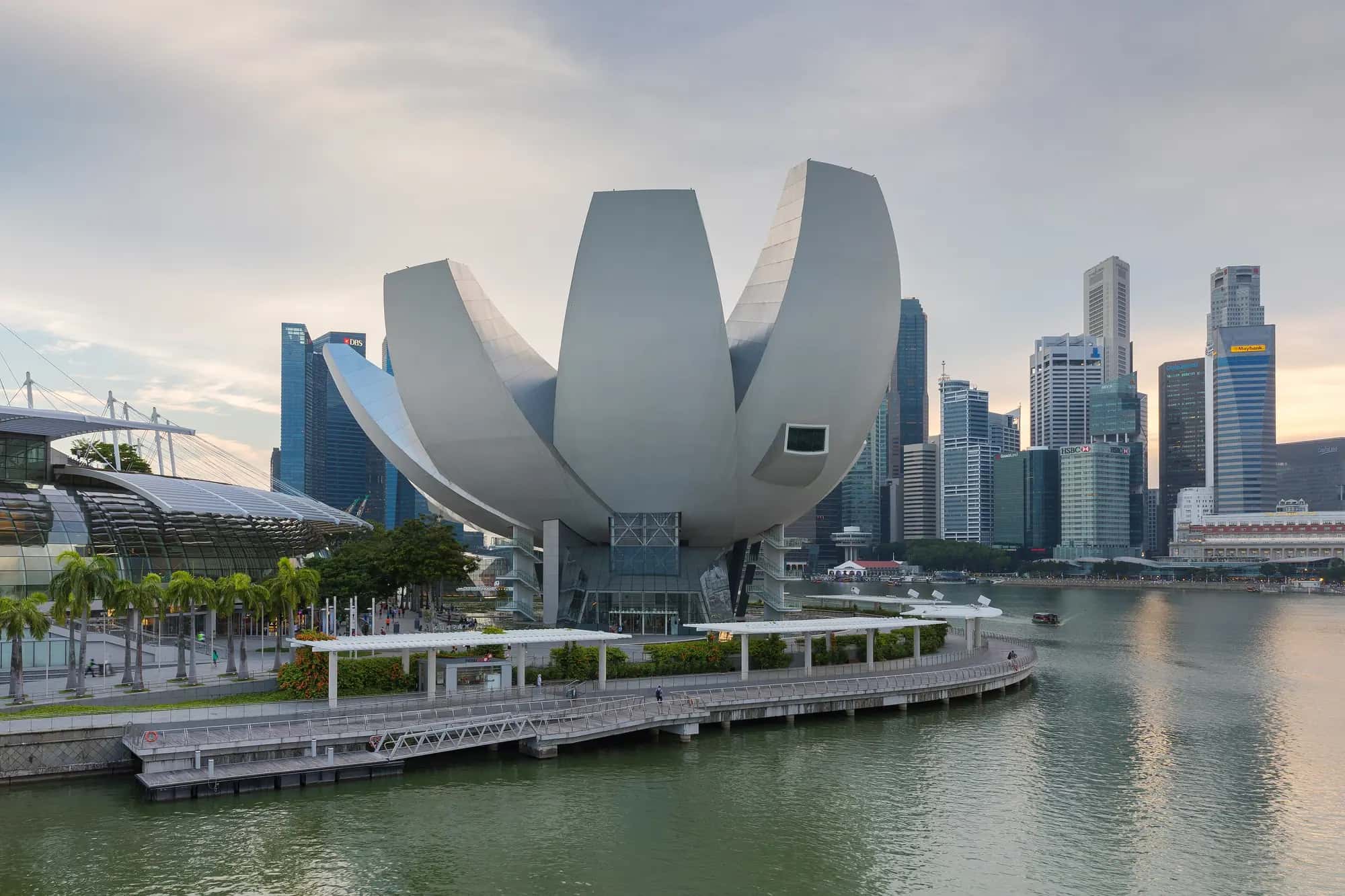
| Singapore | About 5–6 hours | Clean, stroller-friendly, zoo and gardens, excellent hospitals | Expensive: 4 nights land from about ₹38,000 per person |
| Malaysia | About 5–6 hours | Family resorts in Langkawi, easy food | Humidity |
| Sri Lanka | About 3–4 hours | Close, beaches, gentle pace | Long road transfers between regions |
| Japan | About 8 hours | Very safe, baby rooms everywhere | Long flight, many stairs at stations |
A resort with a kids' club, or an apartment with a kitchen and washing machine, makes days much easier than a city hotel room. See Singapore trip costs, our packing lists and family tour packages, or send us your dates and the ages of your children.
Frequently asked questions
Does my baby need a passport to travel abroad from India?
How much does an infant ticket cost on international flights?
What is the weight limit for an airline bassinet?
Can I carry baby food and milk through airport security?
Can I take a stroller on the plane?
Do I need a consent letter if I travel abroad alone with my child?
How we checked this page
Last reviewed
Written and fact-checked by the Elitech Travels editorial desk in New Delhi, drawing on our consultants' day-to-day booking work and the official sources below. Rules, fares and fees change — always confirm anything critical with the issuing authority before you travel. Our editorial policy.