Quick answer
Plan about half the sightseeing you would do alone, with one base for every three or four nights and a rest afternoon every other day. Book free airport wheelchair assistance when you buy tickets, choose daytime flights and aisle seats, and buy senior travel insurance that declares every condition. Pick destinations with short flights, lifts, good roads and familiar food.
Key takeaways
- Halve the itinerary: one main activity a day, three or four nights per base, and no early starts after late arrivals.
- Wheelchair assistance is free under DGCA rules; request it when booking, even if your parents only need it at large airports.
- Declare every pre-existing condition on senior travel insurance; non-disclosure is the commonest reason claims fail.
- Short flights, lifts, Indian food and good roads matter more than the sights: Singapore, Dubai, Kerala and Mauritius fit well.
How should you pace the trip?
Start with an honest conversation, not a brochure. Can your parents walk two kilometres comfortably? Climb fifty steps? Sit in a car for four hours? Sleep in a strange bed without a bad night? The answers shape everything else.
A pace that works for most travellers in their late sixties and seventies:
- One main activity a day, in the morning, with the afternoon free to rest.
- Three or four nights per base, so you unpack once and repack rarely.
- Road transfers under four or five hours, with a stop every 90 minutes.
- No early starts after a late arrival, and no red-eye flights, which put them in immigration queues at 3 am.
- A spare day in the plan, for tiredness or a bad stomach.
Choose hotels with lifts, rooms near the lift on a low floor, twin beds, a walk-in shower rather than a bathtub, and a location close to the sights so a rest break is a short walk away.
How do you book wheelchair assistance?
Under DGCA rules, airlines in India must provide wheelchairs and assistance free of charge to passengers who need it. Request it when you book, or at least 48 hours before the flight, through the airline's website or call centre. International airlines provide the same service on request.
Airlines use three codes, and choosing the right one helps:
| Code | Meaning | Typical use |
|---|---|---|
| WCHR | Can walk short distances and climb aircraft steps, but not long distances | Parents who tire on long airport walks |
| WCHS | Cannot manage aircraft steps but can walk to their seat | Knee or hip problems, breathlessness |
| WCHC | Cannot walk and needs to be carried to the seat | Full mobility support |
Book it even if your parents walk well at home. The walk from check-in to a far gate at Delhi Terminal 3 or Dubai's Terminal 3 can exceed a kilometre, and assistance usually means faster security and immigration lanes. Expect to board first and leave the aircraft last. Choose aisle seats near the washroom; passengers needing assistance cannot sit in emergency exit rows.
Some Indian airlines offer senior citizen fares on domestic routes, usually a discount on the base fare for travellers over 60. Compare the senior fare with the regular sale fare, and carry age proof to the airport.
What travel insurance do seniors need?
Buy it as soon as you book. Senior travel insurance is priced by age band, and premiums rise steeply after 70; some insurers lower the maximum sum insured after 80, and some ask for a medical report above a certain age.
The most important line in the policy is the one about pre-existing diseases. Many policies exclude them, or cover only a life-threatening emergency up to a sub-limit. Declare every condition, including blood pressure, diabetes and past heart procedures, because non-disclosure is the commonest reason a claim is rejected. Schengen visas need at least €30,000 of medical cover, and for the US, cover of USD 100,000 or more is sensible for seniors. Our travel insurance service can compare senior plans.
Medicines and health
- Visit their doctor four to six weeks before travel, and ask about vaccines, blood thinners on long flights, and the altitude of any hill destination.
- Carry twice the medicines needed, split between two cabin bags, in original strips, with the prescription and a doctor's letter listing conditions and generic drug names.
- Pack the BP monitor or glucometer, and a cool pouch for insulin.
- Plan dose times across time zones in advance.
- On flights over four hours, walk every hour and drink water. Ask the doctor whether compression stockings make sense.
Altitude needs real caution. Leh is at about 3,500 m, Nathu La in Sikkim at 4,310 m and Kedarnath at 3,583 m. People with heart or lung conditions should take medical advice before any of them, and many are better off choosing a different trip.
What about food?
Familiar food matters more with age, and a week of unfamiliar meals can upset an itinerary faster than any weather. Choose destinations with Indian restaurants, which are easy to find in Dubai, Singapore, Malaysia, Mauritius, Thailand, London and the main Swiss towns. Carry theplas, khakhra, ready-to-eat upma or poha, and instant dal for the first day or a late arrival. Hotels in Europe and the US often have no kettle, so a small travel kettle is worth packing.
Order special meals on flights at least 48 hours before departure; our guide to Jain and vegetarian food while travelling explains the codes.
Ask the hotel for a room near the lift and the breakfast area. A shorter walk to breakfast makes every morning easier.
Where should you take them?
| Destination | Why it works | Watch out for |
|---|---|---|
| Singapore | Short flight, lifts and ramps everywhere, Indian food | One of Asia's pricier cities; 4 nights land from about ₹38,000 |
| Dubai | Three to four hours from most Indian cities, step-free malls, Indian food | Heat from April to October; skip dune bashing on the desert safari |
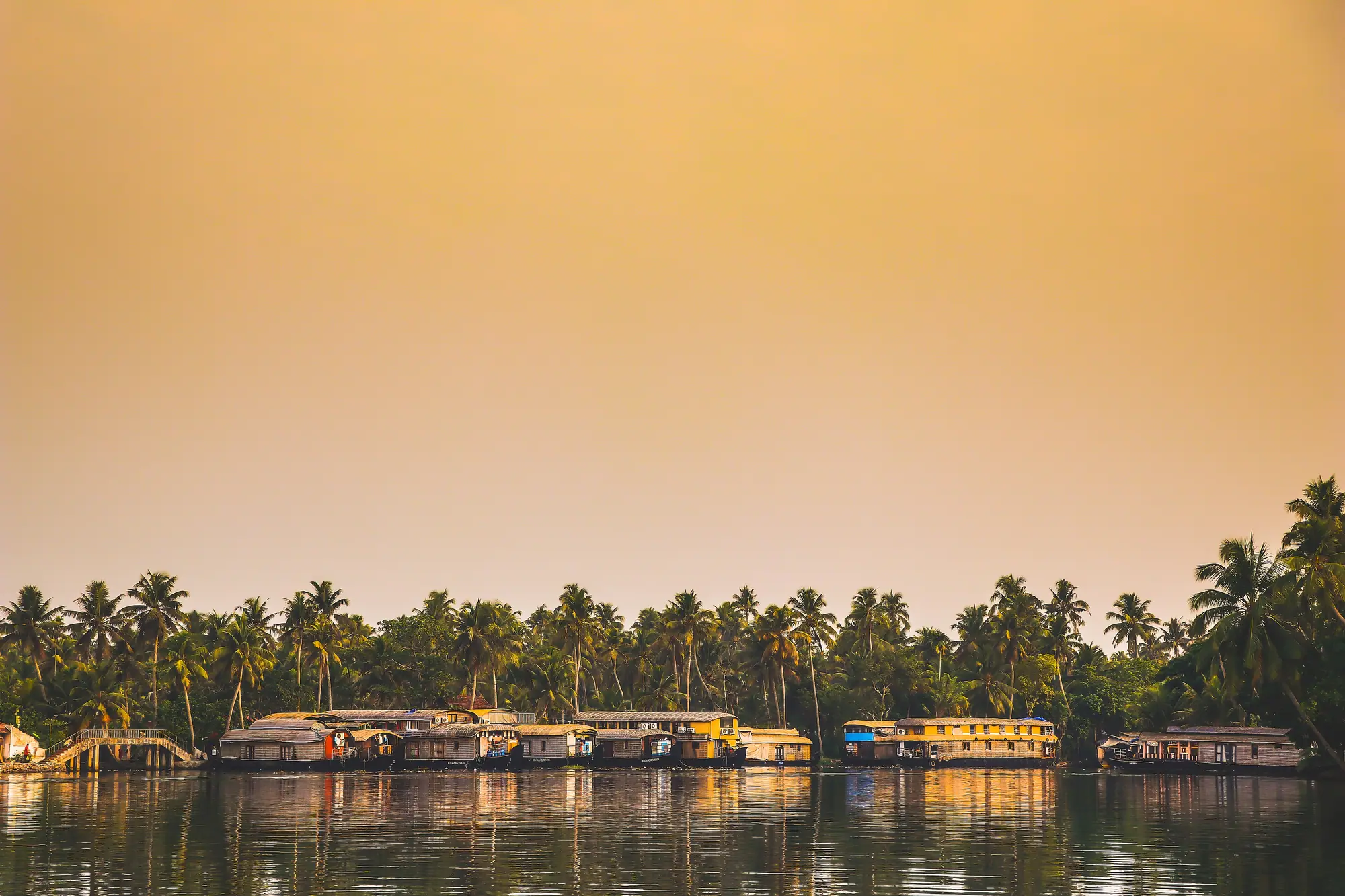
| Kerala | Houseboats, gentle backwaters, Ayurveda | Humidity, winding roads to Munnar |
| Mauritius | Short transfers, resort-based, Indian food and familiar culture | Little to do outside the resort for non-swimmers |
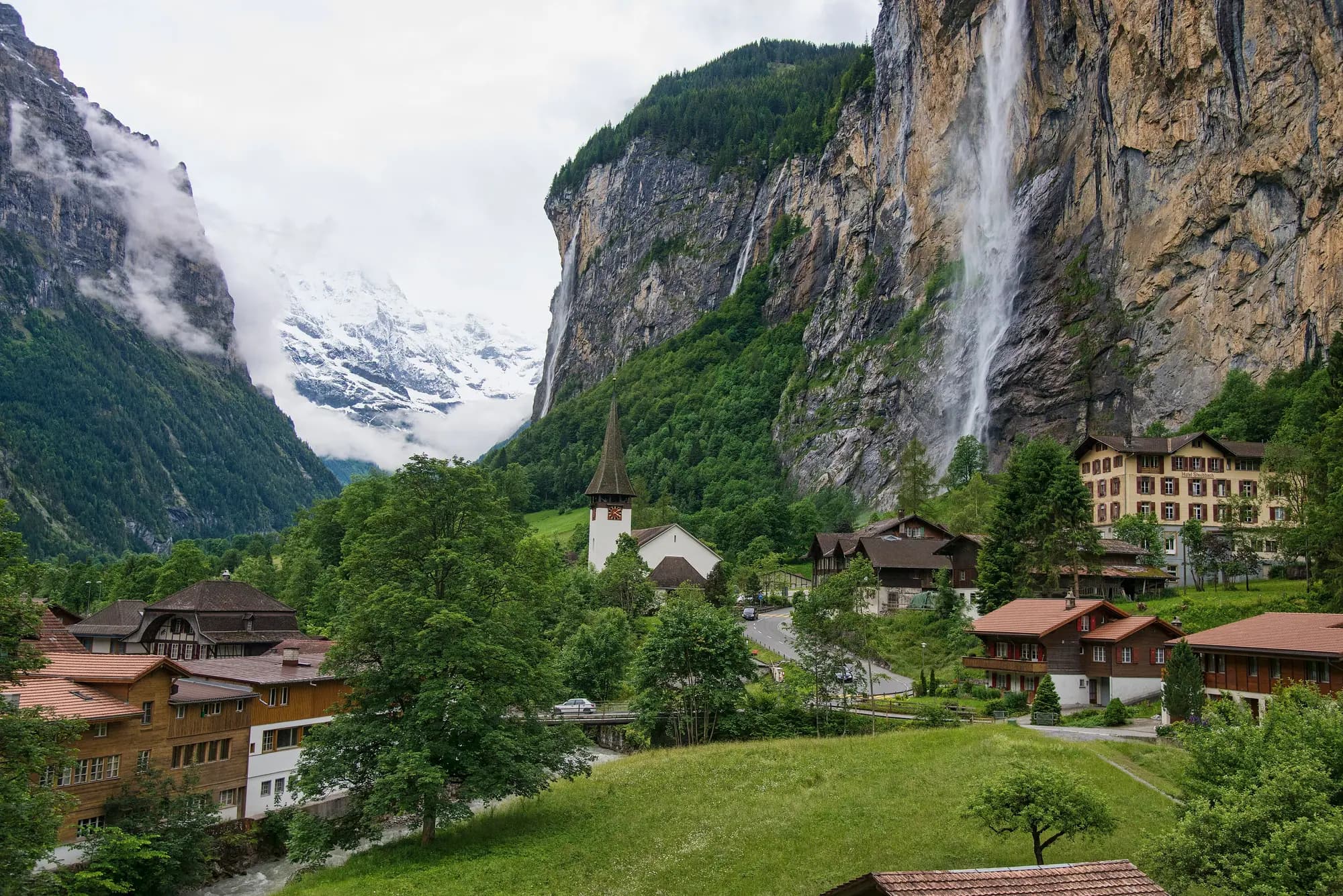
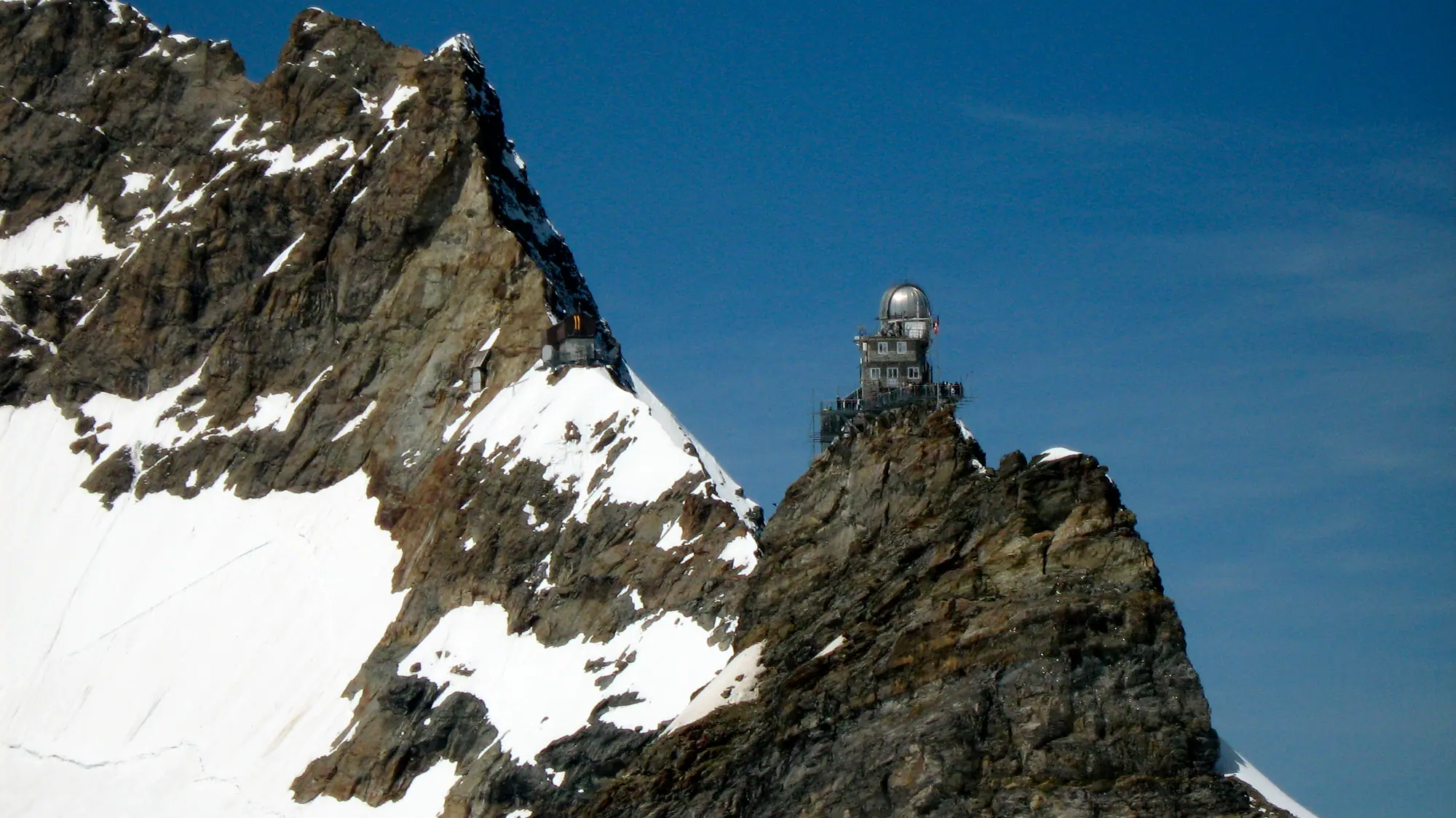
| Switzerland | Step-free trains, lake boats, mountain railways that do the climbing | Cold, expensive (7 nights land from about ₹1.3 lakh), and Jungfraujoch at 3,454 m needs medical advice |
Places to think twice about: Ladakh and Spiti for altitude, Bhutan's Tiger's Nest for its steep climb, Varanasi's ghats for their steps, and any long-haul trip with two connections. Cruises suit many older travellers well: one cabin, lifts throughout, food included, and a new port without repacking.
Documents and visas
Renew passports well ahead; older passports often have only months left. For visas, retired parents typically show pension statements, income tax returns and bank statements, and children funding the trip add a sponsorship letter with their own financial documents.
If you would like a trip planned at their pace, browse our tour packages or tell us about your parents' needs.
Frequently asked questions
Is wheelchair assistance free at Indian airports?
What is the maximum age for travel insurance in India?
Does travel insurance cover pre-existing diseases for senior citizens?
Which international destinations are best for elderly parents?
Can elderly parents travel to Ladakh?
Do Indian airlines offer senior citizen discounts?
How we checked this page
Last reviewed
Written and fact-checked by the Elitech Travels editorial desk in New Delhi, drawing on our consultants' day-to-day booking work and the official sources below. Rules, fares and fees change — always confirm anything critical with the issuing authority before you travel. Our editorial policy.