Quick answer
Pick two or three countries for a 10–12 night trip, plan an open-jaw route so you never backtrack, and apply for the Schengen visa to the country where you spend the most nights, three to four months ahead for summer travel. A mid-range 10-night trip costs about ₹2.2–3.6 lakh per person, twin sharing, including return flights.
Key takeaways
- Plan one base per two to three nights and no more than three countries in 10 nights.
- Apply for the Schengen visa to the country with the most nights; book the appointment as soon as dates are firm.
- A mid-range 10-night trip costs about ₹2.2–3.6 lakh per person including flights; Switzerland pushes it up.
- Point-to-point train tickets booked early often beat a rail pass on two- or three-country trips.
How many countries should you cover?
The most common mistake on a first Europe trip is trying to see too much. Every change of city costs about half a day: checking out, getting to the station, the journey, finding the next hotel. Plan one base for every two or three nights, and no more than four bases in 10–12 nights.
| Trip length | Realistic countries | Example route |
|---|---|---|
| 7 nights | 1–2 | Paris and Switzerland, or Switzerland alone |
| 10 nights | 2–3 | Paris, Switzerland, northern Italy |
| 14 nights | 3–4 | Amsterdam, Paris, Switzerland, Italy |
| 18–21 nights | 4–5 | Add Vienna, Prague or Spain |
One country in depth often makes a better trip than four in a rush. Italy, Switzerland, Spain or Greece can each fill ten days easily.
How do you plan the route?
Fly into one city and out of another. An open-jaw ticket, into Paris and home from Rome, usually costs about the same as a return and saves a day of backtracking.
Follow the rail lines. Paris, Switzerland and Italy work together because fast trains link them: about four hours from Paris to Zurich, and roughly three to four hours from Zurich or Lucerne to Milan through the Alps. Amsterdam, Brussels and Paris link just as easily. Combining Spain with Switzerland, or Greece with anywhere, means a flight.
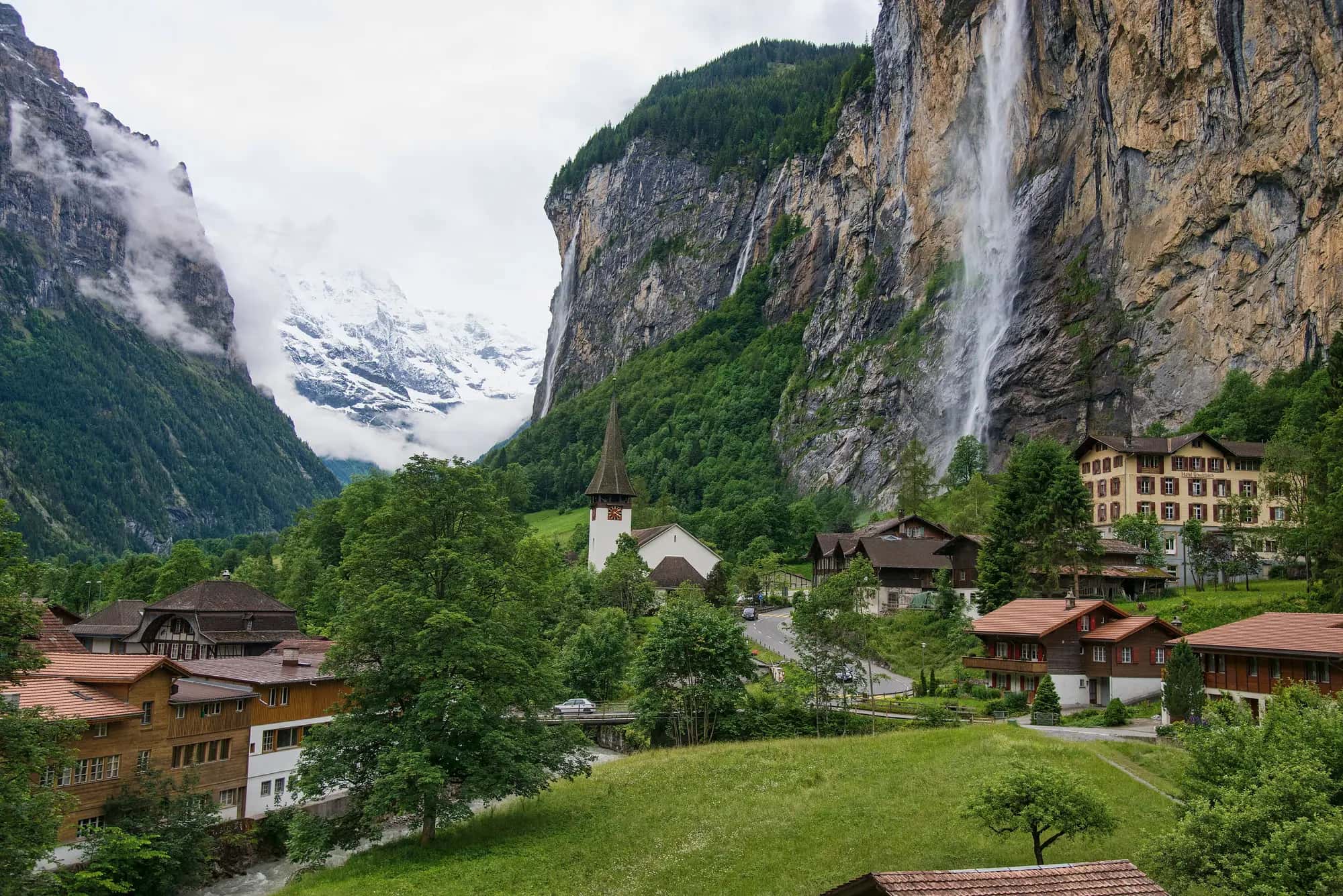
Pick bases, not stops. Interlaken or Lucerne for the Swiss Alps, Florence for Tuscany, and Venice for one or two nights at most.
Match the season. April to June and September to October bring the best weather and thinner crowds. July and August are hot and crowded in the south, and heatwaves of 35–40°C are now common in Italy, Spain and Greece. May and June, when Indian schools close, are peak season for Indian travellers in Switzerland and Paris, and prices show it. December brings Christmas markets in Germany, Austria and Prague, and short, cold days.
How does the Schengen visa sequence work?
Most of mainland Europe, including Switzerland, is in the Schengen area, so one Schengen visa covers the trip. You apply to the country where you will spend the most nights; if the nights are equal, to the country you enter first. Do not game this by adding a night somewhere with shorter queues. Consulates check, and a mismatch between your application and your actual trip can count against you next time.
You can apply up to six months before travel and no later than 15 days before. In practice, appointment slots in Delhi, Mumbai and Bengaluru for April–June travel run short from February, so book yours as soon as your dates are firm. At the time of review the visa fee was €90 for adults (about ₹9,200) and €45 for children aged 6 to 11, plus the visa centre's service charge.
Typical documents are a passport valid for at least three months beyond your return with two blank pages, income tax returns for three years, bank statements for three to six months, a leave letter or business proof, flight and hotel bookings, a day-by-day itinerary, and travel insurance with at least €30,000 of medical cover. Indians with a clean record of earlier Schengen visas can now get longer multiple-entry visas under the EU's cascade rule. Our Schengen visa guide has the details.
Adding the UK? It is not in Schengen, so you need a separate UK visa. You can only hand your passport to one visa centre at a time, so apply first for the visa with scarcer appointments, and leave at least three to four weeks for the second.
At the border: the EU's Entry/Exit System, rolled out from October 2025, records your fingerprints and photo the first time you enter the Schengen area, so the first immigration queue can take longer.
What does a Europe trip cost from India?
Estimates per person, twin sharing, for 10 nights mid-range on a Paris–Switzerland–Italy route:
| Item | Per person |
|---|---|
| Return economy flights from Delhi or Mumbai | ₹55,000–90,000, more in May–June |
| Hotels, 3★–4★, twin sharing | ₹70,000–1,10,000 |
| Trains and local transport | ₹35,000–60,000 |
| Sightseeing and excursions | ₹25,000–45,000 |
| Food | ₹25,000–40,000 |
| Visa, insurance and card charges | ₹12,000–18,000 |
| Total | ₹2.2–3.6 lakh |
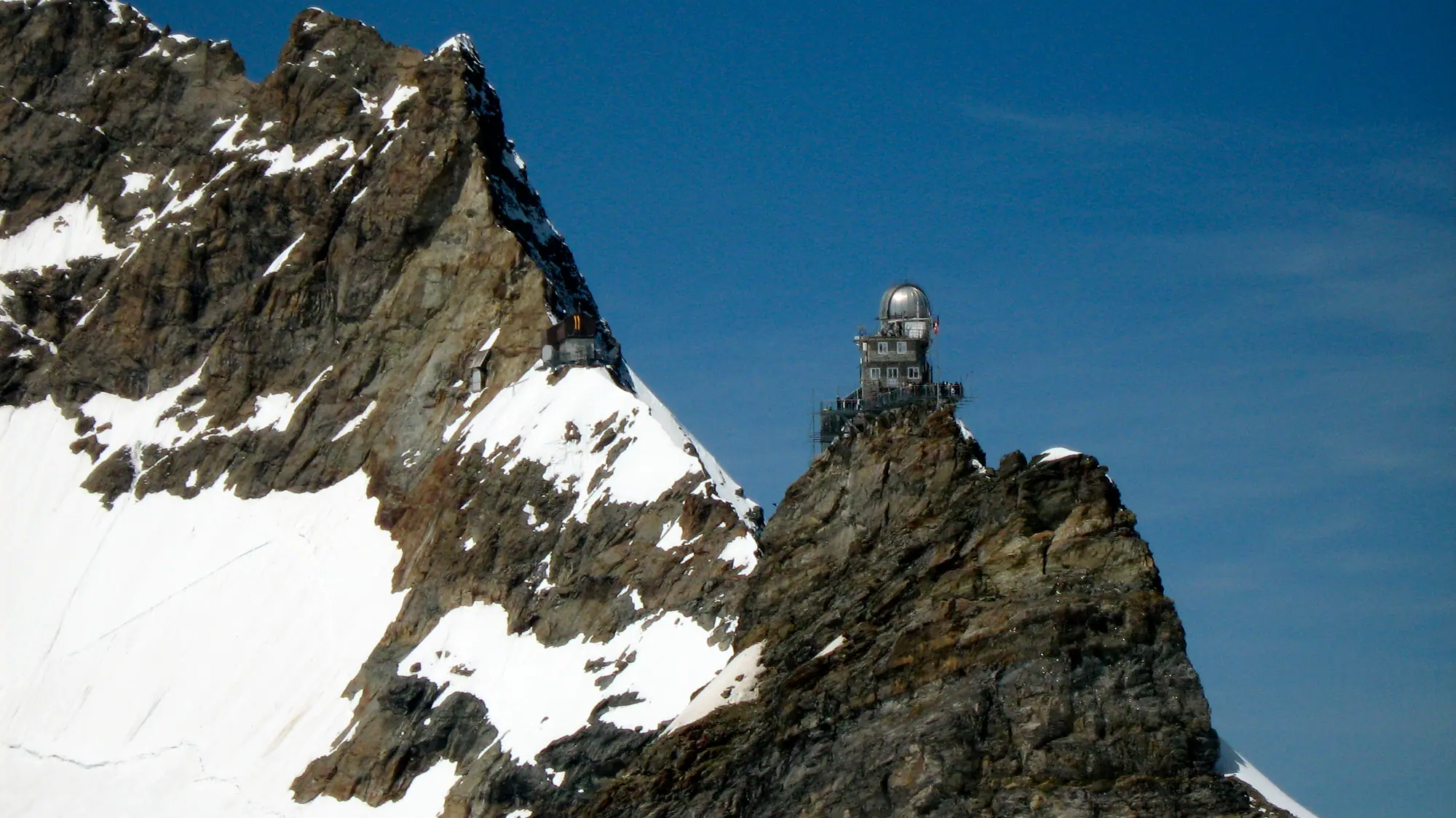
Switzerland pushes the hotel and excursion lines up; the Jungfraujoch trip alone costs about ₹15,000–25,000 depending on your pass. Prague, Budapest and Vienna cost noticeably less. Packages booked from India attract TCS, which you can adjust against your income tax; our glossary explains TCS on foreign travel.
Are rail passes worth it?
- Eurail Global Pass, for non-European residents, pays off if you take four or more long train journeys or want to decide routes as you go. High-speed and night trains in France, Italy and Spain need seat reservations on top, typically €10–35 each, and these can sell out.
- Point-to-point tickets, bought one to three months ahead on the rail operators' own websites, are often cheaper than a pass for a two- or three-country trip. Early fares on Paris–Switzerland and Milan–Rome trains are far below walk-up prices.
- The Swiss Travel Pass covers most trains, buses, lake boats and many museums in Switzerland, with discounts on mountain railways and cable cars. It usually pays off for four or more days of moving around; for a trip based in one town, the Swiss Half Fare Card can work out cheaper.
- Budget flights can beat the train on long hops such as Paris–Rome or Amsterdam–Barcelona, once you add airport transfers and baggage fees.
Book Swiss hotels for May and June as soon as your dates are firm. Interlaken and Lucerne fill early during Indian school holidays, and the cheaper rooms go first.
Independent trip or group tour?
Independent travel gives you control and a slower pace, but you handle every train, transfer and booking. Escorted group tours from India add a tour manager, coach transport and Indian meals, which suits senior citizens, first-timers and Jain or strict vegetarian travellers; the trade-off is early starts and less free time. A middle path is a customised package with hotels, rail tickets and key excursions booked, and the days left to you.
Vegetarian food is easy in Italy and manageable everywhere else; our guide to Jain and vegetarian food while travelling has strategies. For a costed plan, see Switzerland trip costs, browse our international tour packages, or send us your dates.
Frequently asked questions
How many countries can I cover in 10 days in Europe?
Which country should I apply to for a Schengen visa covering several countries?
How much does a 10-day Europe trip cost from India?
Is a Eurail pass worth it for Indian travellers?
How early should I apply for a Schengen visa for a summer trip?
Do I need a separate visa for the UK on a Europe trip?
How we checked this page
Last reviewed
Written and fact-checked by the Elitech Travels editorial desk in New Delhi, drawing on our consultants' day-to-day booking work and the official sources below. Rules, fares and fees change — always confirm anything critical with the issuing authority before you travel. Our editorial policy.