Quick answer
The Nashik–Trimbakeshwar Simhastha Kumbh Mela comes round every 12 years, and the next one falls in 2027. Its main Amrit Snan bathing days are expected in the monsoon months, roughly July to September, at Ramkund in Nashik and Kushavarta in Trimbakeshwar. Treat dates as provisional until the official notification, and book refundable rooms about six months ahead.
Highlights
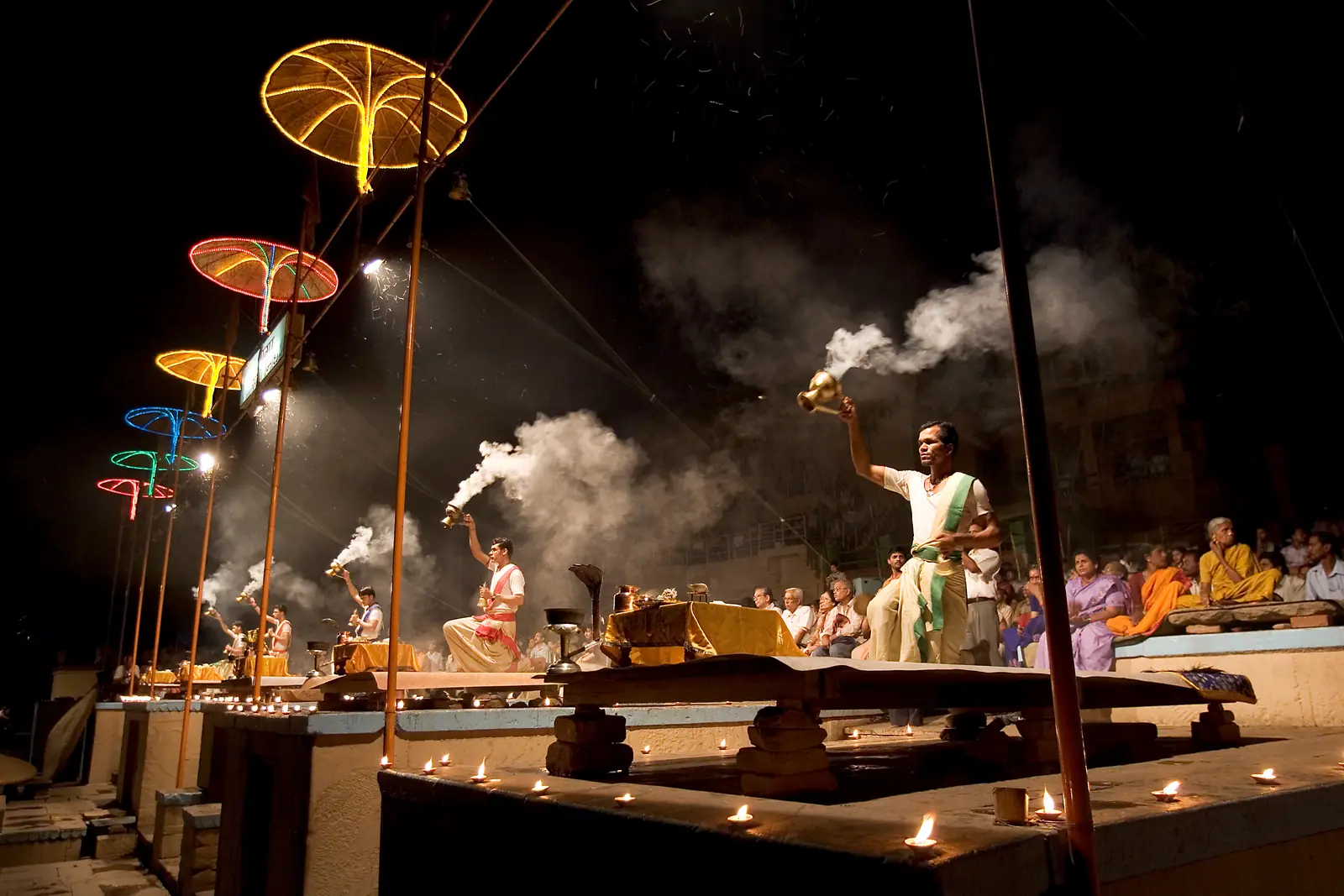
- Dawn Amrit Snan processions of the akharas
- Naga sadhus bathing at Kushavarta in Trimbakeshwar
- Ramkund and the Panchavati ghats on the Godavari in Nashik
- Trimbakeshwar Jyotirlinga temple
- Akhara camps, discourses and kirtans across the mela area
What the Simhastha Kumbh is
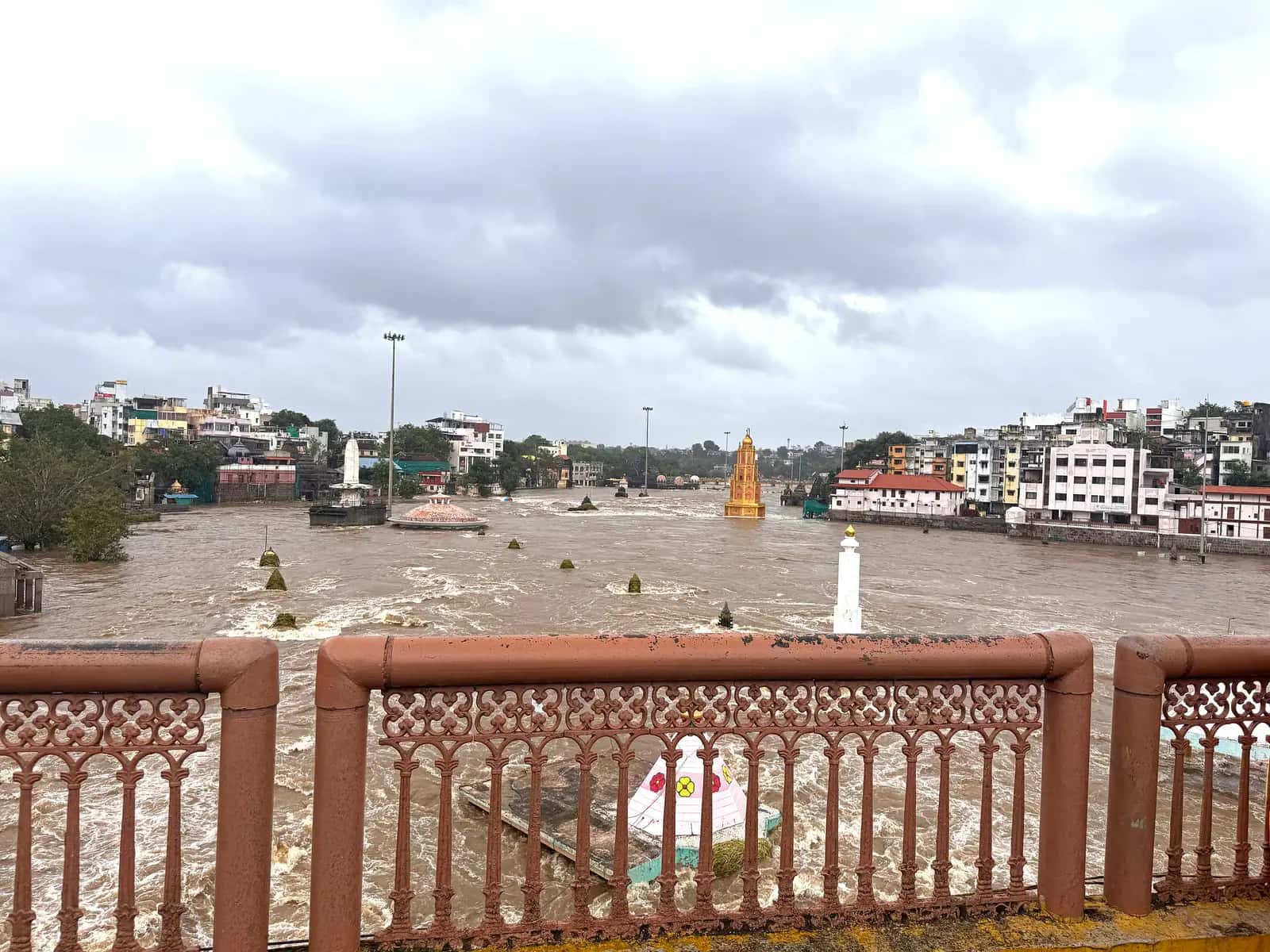
The Kumbh Mela rotates between four river cities: Prayagraj, Haridwar, Ujjain and Nashik. Nashik's turn, called Simhastha because it falls when Jupiter is in Leo, comes round every 12 years; the last was in 2015 and the next is in 2027. Unusually, it is split between two places on the Godavari. Vaishnava akharas bathe at Ramkund in Nashik's Panchavati area, while Shaiva akharas, including the Naga sadhus, bathe at Kushavarta tank in Trimbakeshwar, about 28 km away near the river's source.
Dates: what we know
The Simhastha period runs for many months, but the crowds gather on a handful of Amrit Snan (royal bath) days, when the akharas process to the water at dawn. At the time of review, those main bathing days are expected in the monsoon months of 2027, roughly July to September, following the schedule set by the Maharashtra government and the akharas. Treat any specific date as provisional until the official notification, and book refundable rooms first.
Where to stay and how early to book
Nashik hotels that charge ₹3,000–6,000 normally are likely to ask three to five times that on bathing days, often with minimum stays. Expect government and private tent cities too. Book about six months ahead for snan days. Mumbai is about 165 km away, four to five hours by road, and Pune about 210 km; trains to Nashik Road are the most reliable way in. Shirdi, 90 km away, is another fallback.
Crowds and safety
Bathing days draw tens of lakhs of people. Roads close for 24–48 hours and you may walk several km. Crushes have happened at Kumbh Melas, including at Nashik in 2003. Older parents are better off taking their dip on a non-snan day, when the ghats are calm. Fix a meeting point, give each family member a card with phone numbers, and follow police instructions.
Photography, etiquette and what to wear
Some Naga sadhus are happy to be photographed, others object or ask for money; ask first. Never photograph people bathing. Drones need police permission. Expect 27–30°C, humidity and rain, heavy at Trimbakeshwar on the edge of the Western Ghats: wear quick-dry clothes, carry a change for after the dip, a waterproof bag and sandals with grip.
Combining it
Add Trimbakeshwar Jyotirlinga, Shirdi, Nashik's vineyards and, with more time, Ajanta and Ellora. See our August ideas, things to do in Mumbai, the festival calendar and tour packages.
Frequently asked questions
When is the Nashik Kumbh Mela 2027?
Should I go to Nashik or Trimbakeshwar?
Can older parents attend the Kumbh safely?
How far ahead should I book for the Nashik Kumbh?
How we checked this page
Last reviewed
Written and fact-checked by the Elitech Travels editorial desk in New Delhi, drawing on our consultants' day-to-day booking work and the official sources below. Rules, fares and fees change — always confirm anything critical with the issuing authority before you travel. Our editorial policy.