Quick answer
The essential things to do in Rishikesh are the evening Ganga aarti at Parmarth Niketan or Triveni Ghat, a rafting run from Shivpuri, the riverside walk from Ram Jhula through Swarg Ashram, and the Beatles Ashram. Add a sunrise at Kunjapuri, a yoga class, bungee at Mohan Chatti or a night at a Shivpuri camp. Two to three days covers it.
14 things worth your time in Rishikesh
- 01
Ganga aarti at Parmarth Niketan
ExperienceThe best-known evening aarti in Rishikesh, held on the ashram's riverside steps at sunset with singing, fire lamps and the Shiva statue in the river behind.
1–1.5 hoursFreeArrive 45 minutes before sunset to get a seat on the steps.
- 02
Aarti at Triveni Ghat
ExperienceOlder, louder and more local than Parmarth. Pilgrims float leaf-boat diyas on the river and families bathe at the confluence ghat in the main town.
1 hourFree - 03
White-water rafting
ExperienceThe 16-km Shivpuri run has Grade II–III rapids such as Roller Coaster and Golf Course. Marine Drive (about 25 km) and Kaudiyala (about 36 km) are longer and wilder.
2–4 hoursAbout ₹800–1,800 per person, depending on stretch and operatorBook with a licensed operator, check life jackets and helmets, and expect a minimum age of 12–14 on most stretches. Season is mid-September to 30 June.
- 04
Bungee jumping at Mohan Chatti
ExperienceA fixed-platform bungee of about 83 m over the Hehal river, with a giant swing and flying fox at the same site, about 20 km from Rishikesh.
Half dayAbout ₹4,000–5,000Weight and age limits apply. Book online for weekends; transport leaves from Tapovan.
- 05
Beatles Ashram (Chaurasi Kutia)
LandmarkMaharishi Mahesh Yogi's ashram, where the Beatles stayed in 1968, is now overgrown, its meditation domes covered in murals. It sits inside the Rajaji Tiger Reserve near Swarg Ashram.
1.5–2 hoursAbout ₹150 for IndiansGo in the morning, when it is cool and quiet.
- 06
Ram Jhula to Laxman Jhula walk
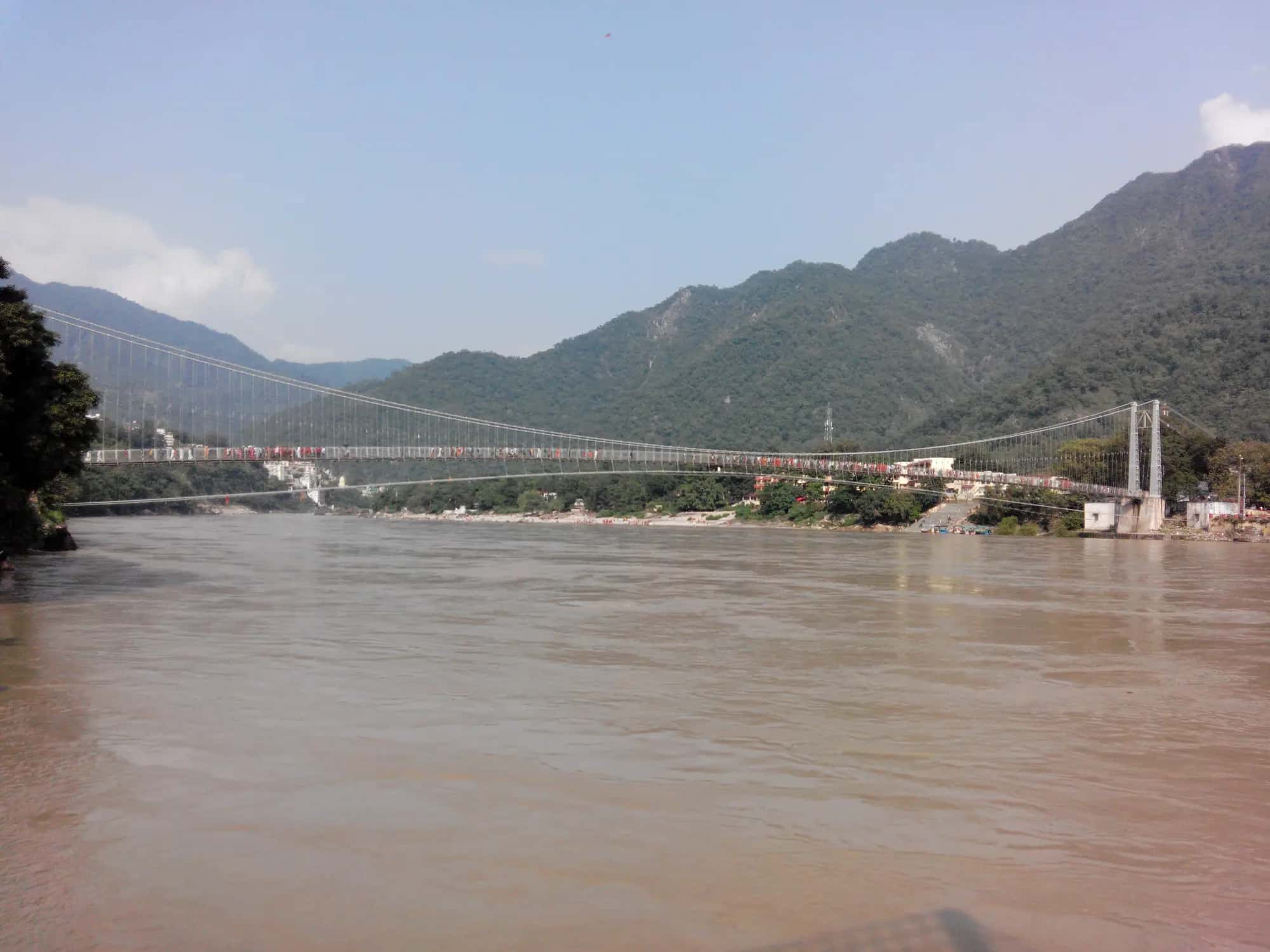
ExperienceA 2-km walk along the east bank past ashrams, temples, bookshops and chai stalls. It is the easiest way to get a feel for the town.
2–3 hoursFreeLaxman Jhula has been closed to the public since 2019. A replacement bridge, Bajrang Setu, has been under construction beside it.
- 07
Trayambakeshwar (Tera Manzil) temple
LandmarkA 13-storey temple by Laxman Jhula with shrines on each floor and river views from the upper levels.
45 minutesFree - 08
Neer Garh waterfall
NatureA chain of small cascades and pools reached by a 1-km uphill walk off the Badrinath road, about 4 km from Laxman Jhula.
2 hoursAbout ₹30–50 entryGo before 10 am; weekends get crowded.
- 09
Sunrise at Kunjapuri temple
Day tripA hilltop Devi temple about 25 km away at roughly 1,650 m, with sunrise over the Garhwal peaks and the Doon valley. About 300 steps from the road.
3–4 hoursFree (taxi about ₹1,500–2,500)Leave by 5 am in winter and earlier in summer.
- 10
Neelkanth Mahadev temple
Day tripA Shiva temple about 32 km by road in forested hills, and the end point of the Kanwar Yatra.
Half dayFree (taxi about ₹1,500–2,500)Avoid Shravan Mondays and Mahashivratri unless you are going for that; queues run for hours.
- 11
Yoga class or short course
ExperienceDrop-in classes run across Tapovan, Laxman Jhula and Swarg Ashram, and ashrams offer residential programmes. A morning class by the river is the reason many people come.
1.5 hours to 1 weekAbout ₹300–700 per drop-in classTry one drop-in class before you pay for a course.
- 12
Riverside camping at Shivpuri
ExperienceTents above the river with meals and a bonfire, usually bundled with rafting. Popular with groups of friends.
OvernightAbout ₹1,800–4,000 per person with mealsAsk whether the camp is licensed and how far it is from the road; some involve a steep walk.
- 13
Jeep safari in Rajaji (Chilla)
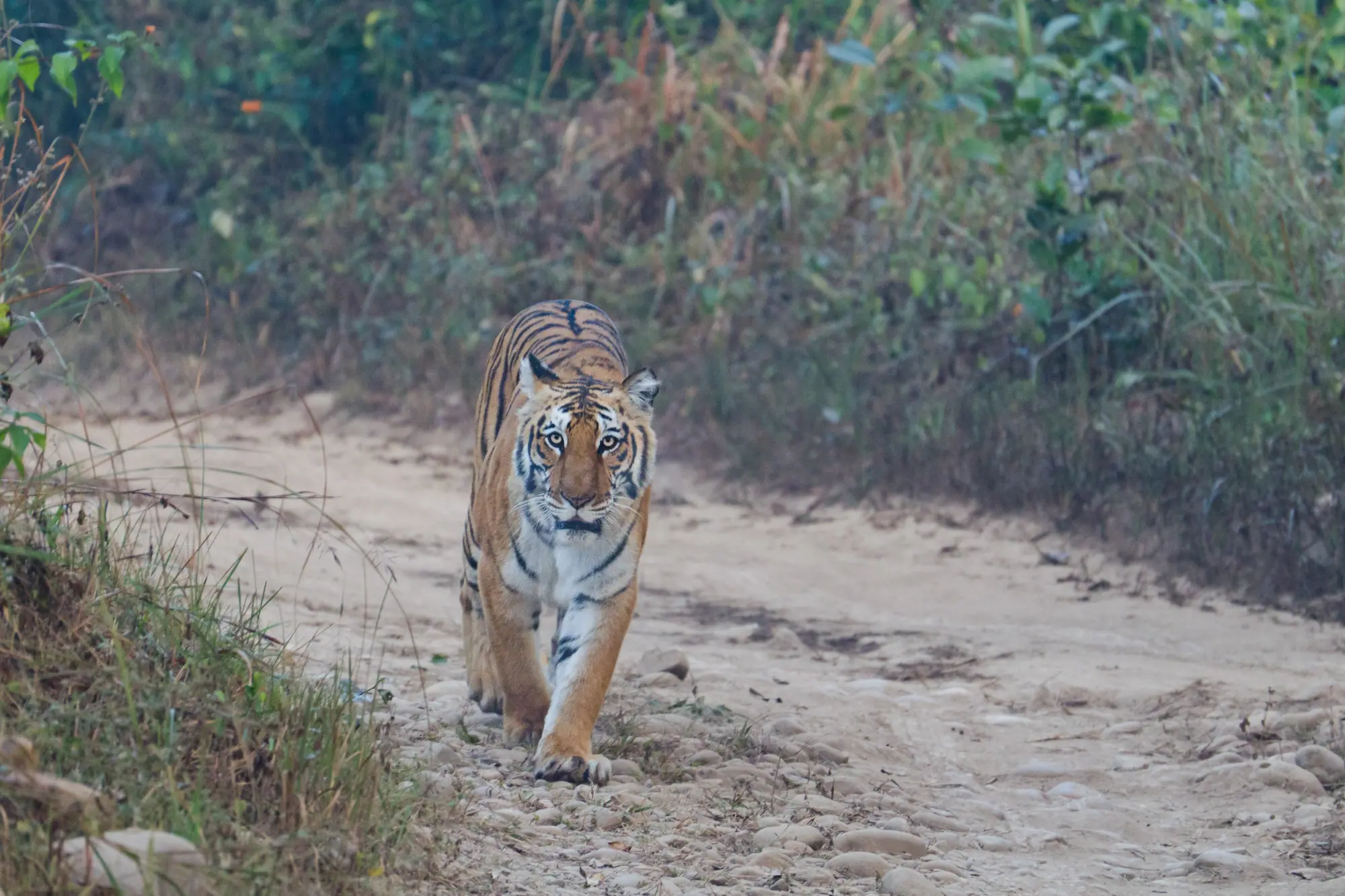
NatureElephants, deer and birds in the Chilla zone of Rajaji Tiger Reserve, about 20 km away. Usually open mid-November to mid-June.
3 hoursAbout ₹3,000–5,000 per jeep - 14
Har ki Pauri aarti, Haridwar
Day tripHaridwar's evening aarti, 25 km away, is bigger and more crowded than anything in Rishikesh.
4 hoursFreeDuring the 2027 Ardh Kumbh (14 January–20 April), expect heavy crowds and road diversions.
How to plan your days in Rishikesh
Rishikesh splits into three zones, and grouping your plans by zone saves hours in traffic.
- Swarg Ashram and Ram Jhula (east bank): Parmarth aarti, the Beatles Ashram, ashrams and the riverside walk. Mostly pedestrian.
- Laxman Jhula and Tapovan: cafés, yoga schools, Tera Manzil temple, Neer Garh waterfall.
- Upstream on the Badrinath road: Shivpuri rafting and camps, Mohan Chatti bungee, Kaudiyala.
Kunjapuri, Neelkanth and Haridwar are separate half-day trips by taxi.
Is rafting in Rishikesh safe for beginners?
The Shivpuri stretch is the usual first run: about 16 km, two to three hours, Grade II–III rapids and a guide on every raft. Operators need permits and must give helmets and life jackets; check both before you step in. Rafting runs from mid-September to 30 June. See the best time to visit Rishikesh for month-by-month conditions.
What should first-timers know?
- Rishikesh is a vegetarian, alcohol-free town within its municipal limits. Cafés in Tapovan serve good vegetarian food from many cuisines.
- Ram Jhula and the east bank are walkable, but taxis can't cross the bridge. Shared autos and e-rickshaws run on both banks.
- Dress modestly at ghats and ashrams. The river is cold and fast even when it looks calm: bathe only at ghats with chains.
Two to three days is the right length. Our 3-day Rishikesh itinerary combines aarti, rafting and a sunrise trip.
Choose a base with where to stay in Rishikesh. Going on to the Char Dham? Read about the key stops on the yatra. For packaged trips, see India tour packages.
Frequently asked questions
How many days are enough for Rishikesh?
What is the best rafting stretch for beginners in Rishikesh?
Is the Beatles Ashram worth visiting?
Can you drink alcohol or eat non-veg food in Rishikesh?
How we checked this page
Last reviewed
Written and fact-checked by the Elitech Travels editorial desk in New Delhi, drawing on our consultants' day-to-day booking work and the official sources below. Rules, fares and fees change — always confirm anything critical with the issuing authority before you travel. Our editorial policy.