Quick answer
Pack for big swings: near-freezing dawns at Pangong and 25°C afternoons in Leh. Carry thermals, a fleece, a windproof down jacket, SPF 50 sunscreen, UV sunglasses and lip balm. Add a postpaid SIM, enough cash for Nubra and Pangong, ID copies for checkposts, and altitude medicines only if your doctor prescribes them. Rest 36–48 hours in Leh before going higher.
Documents & money
- Photo ID plus four or five photocopies — Checkposts on the Nubra, Pangong and Tso Moriri routes keep copies.
- Protected-area permit printouts — Arranged online or by your operator for Nubra, Pangong, Tso Moriri, Hanle and similar areas.
- Postpaid mobile connection — Prepaid SIMs from outside J&K and Ladakh don't work; signal outside Leh is patchy on every network.
- Cash for the whole trip — ATMs in Leh and Diskit fail often; Pangong camps and many fuel stops take cash only.
- Printed hotel and camp vouchers
- Driving licence (if you plan to ride) — Rent motorbikes in Leh; outside-registered rentals and taxis face local restrictions.
Clothing & footwear
- Thermal innerwear, two sets
- Full-sleeve quick-dry T-shirts — Sleeves protect your arms from UV; sunburn comes fast at this altitude.
- Fleece jacket
- Windproof down jacket — Khardung La and Chang La wind pushes the felt temperature below zero even in July.
- Quick-dry trek trousers, two pairs
- Woollen cap and warm gloves
- Woollen and cotton socks
- Buff or neck gaiter — Dust on the Nubra and Pangong roads is constant.
- Trekking shoes with ankle support
- Sandals or floaters — For camps and the Hunder sand dunes.
Sun & skin
- Sunscreen, SPF 50+ — UV at 3,500 m is far stronger than in the plains; reapply every two to three hours.
- UV400 sunglasses — Glare off Pangong and snow at the passes is harsh.
- Lip balm with SPF
- Heavy moisturiser — The air is extremely dry.
- Sun cap or wide-brim hat
- Wet wipes and hand sanitiser — Water is limited at camps.
Health & altitude
- Acetazolamide (Diamox) — Only on a doctor's advice; it isn't suitable for everyone, including some people with sulfa allergies.
- Regular prescription medicines with a week's extra
- Paracetamol for headaches — Avoid sleeping pills and alcohol for the first 48 hours.
- ORS and electrolyte sachets — Aim for 3–4 litres of water a day.
- Saline nasal spray — Dry air causes nosebleeds.
- Antacids and anti-diarrhoea tablets
- Motion-sickness tablets — The drive over Khardung La to Nubra is long and winding.
- Pulse oximeter — Readings in the high 80s are common on arrival; breathlessness at rest matters more than the number.
- Small first-aid kit
Electronics
- Power bank, 20,000 mAh — Pangong and Nubra camps often run generators for only a few hours each evening.
- Car charger and spare USB cables — Charge on the long drives.
- Headlamp
- Camera with spare batteries and memory cards
- Three-socket extension board
- Offline maps downloaded — Save Leh, Nubra and Pangong before you leave town.
Road-trip extras
- Reusable water bottle — Refill at filtered-water points in Leh instead of buying plastic.
- Dry fruits, chocolate and energy bars
- Thermos flask
- Daypack, 20–25 litres
- Ziplock bags and a rubbish bag — Carry your waste back to Leh.
- Rain cover for luggage tied on a roof carrier
Why does Ladakh need layers, not one heavy jacket?
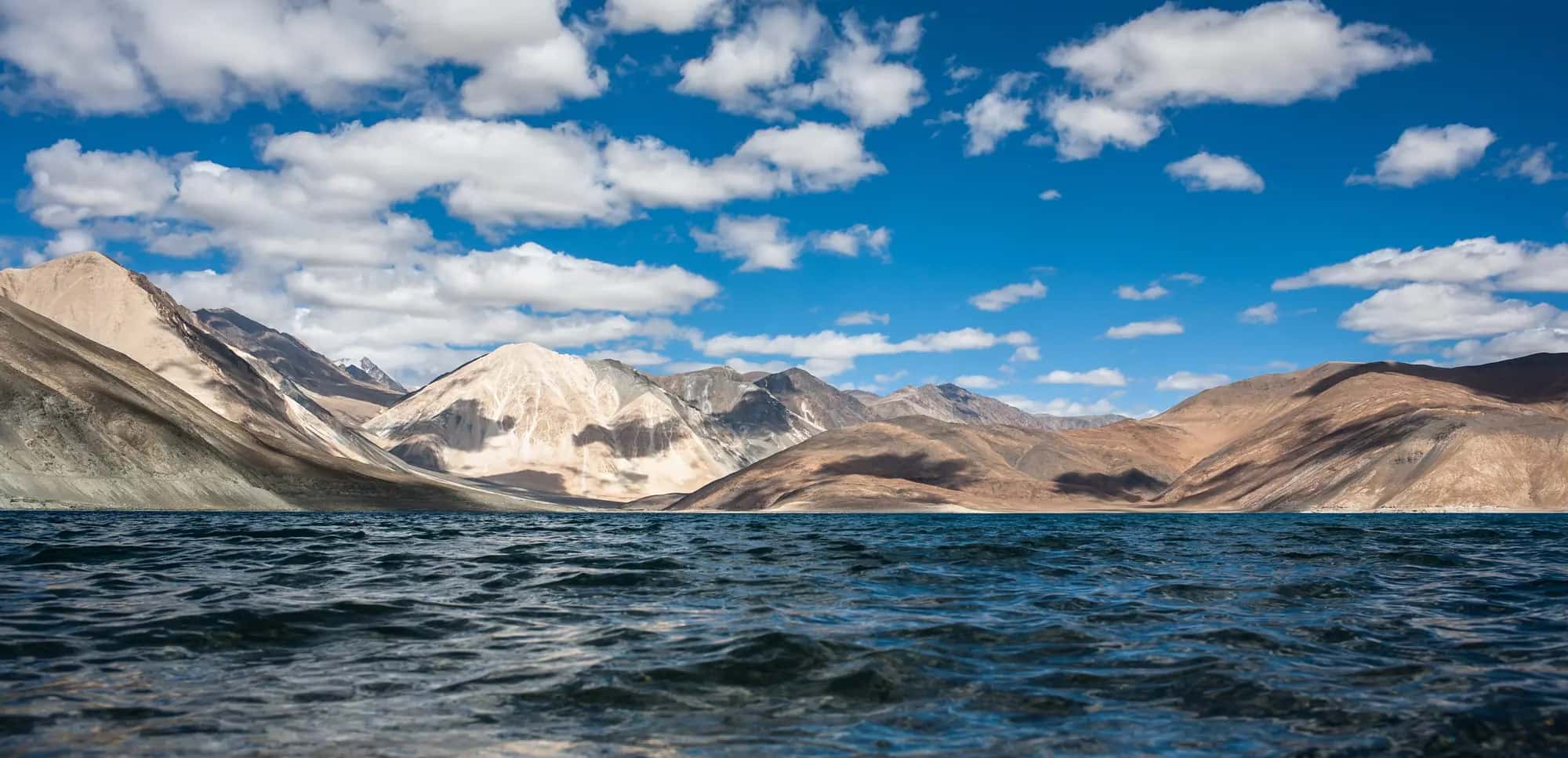
Leh sits at about 3,500 m. From June to September, afternoons reach 25–28°C under fierce sun, then nights drop to 8–12°C. Pangong Tso (about 4,250 m) and passes such as Khardung La and Chang La can be at or below 0°C at dawn even in July, with wind. A thermal base, a fleece and a windproof down jacket let you adjust ten times a day. Full sleeves, a sun cap and SPF 50 matter as much as warmth, because UV at this altitude burns exposed skin quickly.
Acclimatise before you climb higher
Spend your first 36–48 hours in Leh doing very little. Drink 3–4 litres of water a day, skip alcohol and smoking, and take stairs slowly. Acetazolamide (Diamox) helps some people, but take it only on a doctor's advice. A headache that won't shift, breathlessness at rest or confusion means going down, not pressing on.
What fits in 15 kg, and what to leave behind
Flights into Leh on IndiGo and Air India Express typically include 15 kg check-in and 7 kg cabin baggage; check your fare. Wear trekking shoes and your down jacket on board. Leave the hair dryer (camps run on limited generator power), heavy jeans and cotton sweatshirts at home. Woollen socks, caps and gloves are cheap in Leh's Tibetan market, and motorbikes are best rented in Leh itself.
Cash and phone signal
Only postpaid SIMs work for visitors from outside the region. ATMs in Leh and Diskit exist but fail often, and Pangong camps take cash, so carry enough for the whole circuit.
Plan your dates with our Ladakh season guide, choose travel insurance that covers high-altitude travel, and browse our other packing lists.
Frequently asked questions
Should I take Diamox for a Ladakh trip?
Do I need a down jacket in Ladakh in summer?
Which mobile SIM works in Ladakh?
Do Indian travellers need a permit for Nubra and Pangong?
How we checked this page
Last reviewed
Written and fact-checked by the Elitech Travels editorial desk in New Delhi, drawing on our consultants' day-to-day booking work and the official sources below. Rules, fares and fees change — always confirm anything critical with the issuing authority before you travel. Our editorial policy.