Quick answer
Cambodia is manageable for vegetarians in Siem Reap and Phnom Penh, which have several Indian restaurants and many cafés that cook tofu and vegetable versions of Khmer dishes such as amok. Outside the cities it is harder, because fish sauce and fermented fish paste (prahok) are everywhere. Plan temple-day lunches and carry snacks, especially for Jain diets.
How easy is it to eat well?
Vegetarian & Jain friendliness
5 = easy everywhere, 1 = plan every meal
Indian food availability
5 = Indian restaurants everywhere, 1 = rare
What to order (and what to ask about)
Amok (tofu or vegetable)
Cambodia's national dish is a fish curry steamed in banana leaf. Many Siem Reap restaurants make a tofu or vegetable amok; confirm no fish sauce.
Khmer red curry (vegetable)
Coconut curry with sweet potato, aubergine and beans. Usually cooked with chicken, so ask for vegetables only.
Bai cha (fried rice)
The easiest order anywhere, including near the temples. Ask for no egg and no fish sauce.
Fresh spring rolls
Rice-paper rolls with vegetables and herbs. Ask for a peanut or sweet chilli dip instead of fish sauce.
Vegetables with Kampot pepper
Stir-fried vegetables or tofu with Cambodia's famous green or black pepper. Ask for no oyster sauce.
Nom krok
Coconut rice cakes from street carts. Often topped with spring onion, so ask for plain ones.
Num ansom chek
Sticky rice and banana wrapped in banana leaf. The pork version, num ansom chrouk, looks similar, so check.
Fish amok
The classic version with freshwater fish. Order the tofu version instead.
Lok lak
Stir-fried beef with a pepper-lime dip. A tofu lok lak is offered at some tourist restaurants.
Num banh chok
Rice noodles with a fish-based green curry, a breakfast staple. No easy vegetarian version.
Kuy teav
Noodle soup with pork broth. Avoid unless a vegetarian café makes its own vegetable stock.
Phrases that help
| Say | Meaning |
|---|---|
| Khnhom tam sach | I don't eat meat. |
| Khnhom nyam buos | I eat vegetarian (literally, I eat like a monk). |
| Ot dak sach | No meat, please. |
| Ot dak teuk trey | No fish sauce. |
| Ot dak pong moan | No egg. |
| Ot hal | Not spicy. |
Is Cambodia easy for vegetarians?
In Siem Reap and Phnom Penh, reasonably. Khmer food is milder than Thai, built on lemongrass, galangal, turmeric and kaffir lime, which many Indian travellers enjoy. The catch is prahok, a fermented fish paste, and teuk trey (fish sauce), which flavour most curries, soups and dipping sauces. Tourist restaurants in the two main cities understand vegetarian requests and often have tofu versions of amok, curry and lok lak on the menu.
Where can you find Indian food?
| Place | Indian food | Notes |
|---|---|---|
| Siem Reap | Good | Several restaurants around Pub Street and Sivatha Road |
| Phnom Penh | Good | Along the riverside and in the BKK1 area |
| Angkor temple park | None | Khmer restaurants with fried rice and vegetables |
| Kampot, Kep, Battambang | Limited | One or two at most; vegetarian cafés help |
Packages for Indian travellers can usually arrange Indian dinners in Siem Reap, and many hotels add Indian dishes to breakfast on request.
How do you manage lunch on temple days?
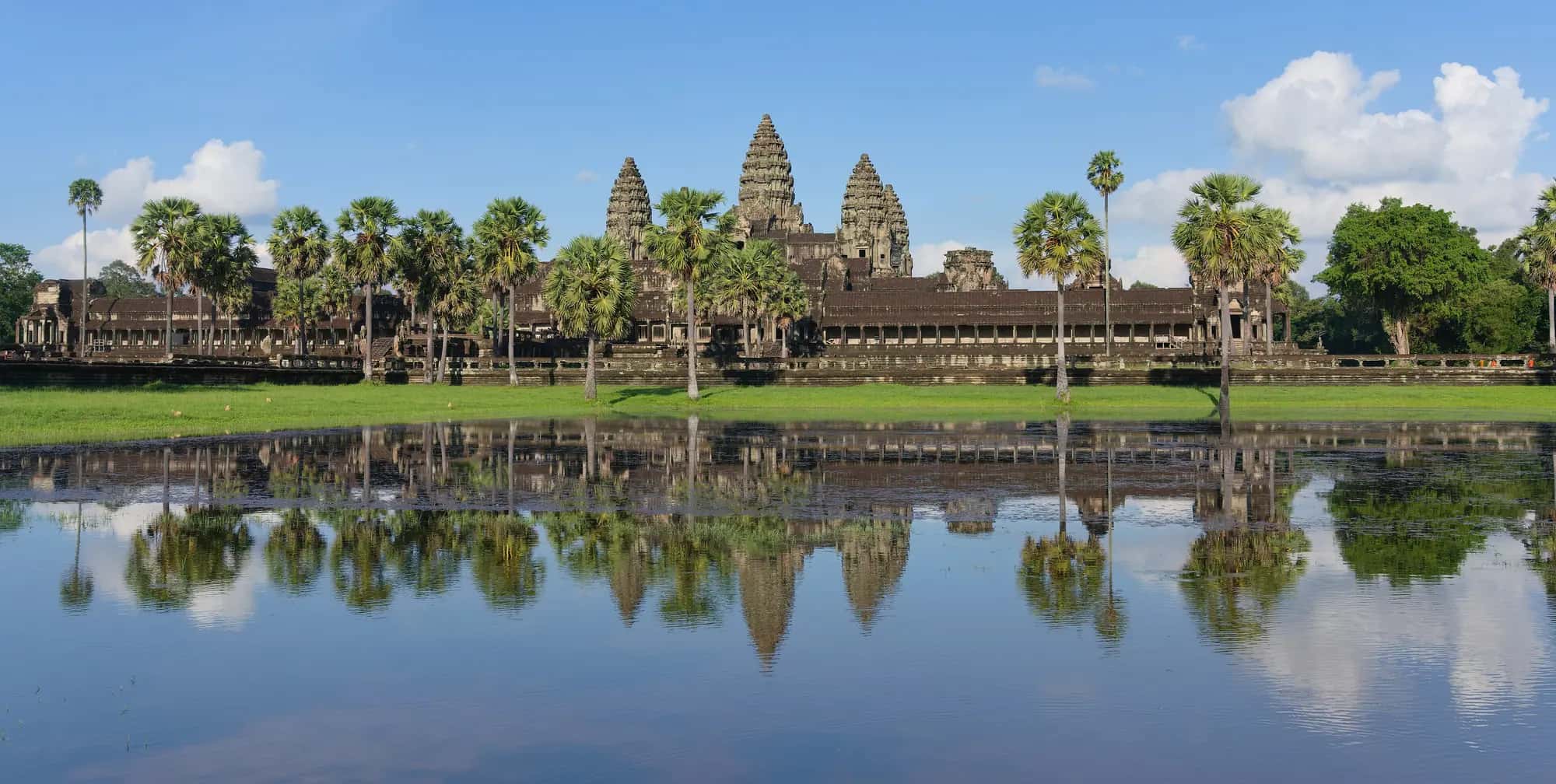
This is where planning matters. On a full Angkor day you will be far from Siem Reap's restaurants at lunchtime. The restaurants opposite Angkor Wat and near the Bayon and Banteay Srei serve fried rice, stir-fried vegetables and noodles that can be made without meat, but fish sauce is common. Ask your guide to order for you in Khmer, or go back to town for lunch, which also helps you avoid the midday heat.
Jain travellers should carry ready-to-eat meals, khakhra, dry fruit and theplas for temple days. Onion and garlic are in almost every Khmer dish, and few kitchens outside Indian restaurants can avoid them.
Which dishes should you avoid?
Fish amok, num banh chok, kuy teav and most soups are made with fish or meat bases and are not adaptable at ordinary stalls. Street desserts such as nom krok and sticky rice parcels are usually safe; check for pork in num ansom.
Plan your trip with things to do in Cambodia and our 5-day Cambodia itinerary, budget with the Cambodia trip cost, and choose your season with the best time to visit Cambodia. Indian passport holders need a visa; see the Cambodia visa guide.
Frequently asked questions
Are there Indian restaurants in Siem Reap?
Is amok vegetarian?
What should vegetarians eat during Angkor temple tours?
How we checked this page
Last reviewed
Written and fact-checked by the Elitech Travels editorial desk in New Delhi, drawing on our consultants' day-to-day booking work and the official sources below. Rules, fares and fees change — always confirm anything critical with the issuing authority before you travel. Our editorial policy.