Quick answer
Ganesh Chaturthi in Mumbai is a ten-day festival in late August or September, ending with immersion processions on Anant Chaturdashi. The draws are the big public pandals, especially Lalbaugcha Raja, and the final procession to Girgaum Chowpatty. Visit pandals on weekday nights, plan for long queues and book hotels four to six weeks ahead, as it is still the monsoon.
Highlights
- Lalbaugcha Raja, the city's most visited Ganesh idol
- Neighbourhood pandals in Lalbaug, Parel, Khetwadi and King's Circle
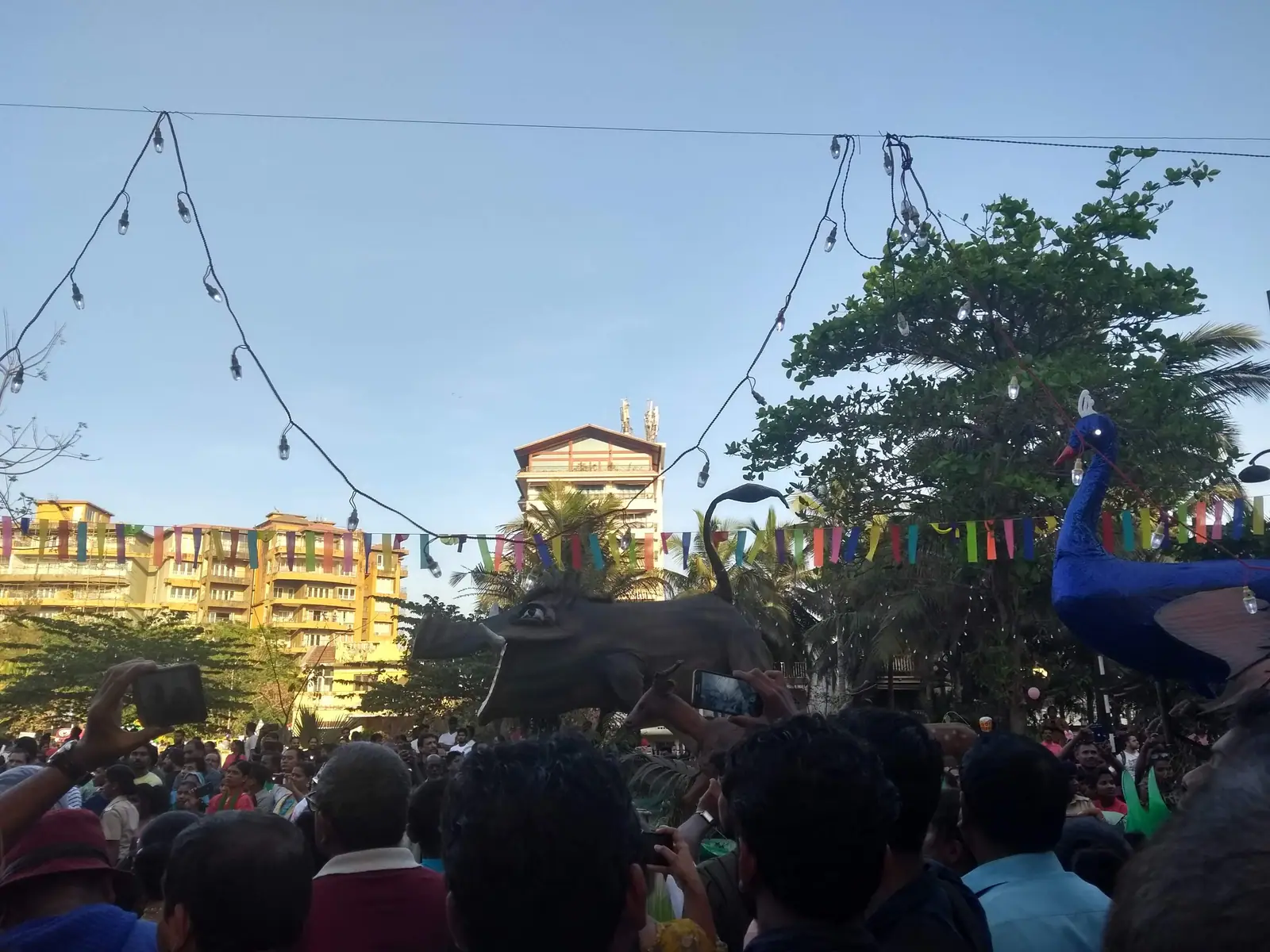
- Dhol-tasha drum troupes on the streets
- The visarjan processions to Girgaum Chowpatty
- Modaks from sweet shops across the city
What actually happens
Ganeshotsav became a public festival in 1893, when Lokmanya Tilak promoted community celebrations to bring people together, and Mumbai now has thousands of public mandals. Families bring home clay idols on Ganesh Chaturthi and immerse them after one and a half, five, seven or ten days. Public mandals keep theirs for the full ten days, ending with immersion processions on Anant Chaturdashi.
The best-known pandals:
- Lalbaugcha Raja in Lalbaug, the most visited idol in the city.
- Mumbaicha Raja in Ganesh Galli, a short walk away.
- Chinchpokli Chintamani, known for its arrival procession before the festival.
- GSB Seva Mandal at King's Circle, famous for its gold ornaments.
Queues and the best days
Lalbaugcha Raja has two queues. The Navas line, for those who want to touch the idol's feet, can take 15–30 hours on weekends. The Mukh Darshan line, for viewing from a short distance, usually takes two to six hours. Go on a weekday, late at night or early in the morning. Weekends and the last three days are the most crowded.
Visarjan day
On Anant Chaturdashi, processions with dhol-tasha troupes move towards Girgaum Chowpatty and other sea fronts from the morning, and Lalbaugcha Raja often reaches the sea the next morning after a procession of 20 hours or more. Watch from a terrace or balcony along the route; the beach itself becomes a crush.
Where to stay
Mid-range hotels in South Mumbai cost ₹7,000–14,000 a night, while Dadar and Parel, close to Lalbaug, run ₹4,000–8,000. Book four to six weeks ahead.
Crowds, safety and what to wear
The crowds at Lalbaug are some of the densest you will meet. Keep children and older family members out of the Navas line, carry little cash and keep phones in front pockets. It is still monsoon, so wear quick-dry clothes and sandals with grip, and take a raincoat rather than an umbrella. Ear plugs help near the drums.
Photography
Photography near the major idols is restricted and volunteers move queues quickly. Drones are not allowed.
Combining it
Pune's Ganeshotsav, centred on Dagdusheth Halwai Ganpati, is about three hours away, and Lonavala is lush in the rains. See things to do in Mumbai, where to stay in Mumbai, the best time to visit Mumbai and our September ideas.
Frequently asked questions
How long is the queue at Lalbaugcha Raja?
When is Ganesh Chaturthi in Mumbai?
Where is the best place to watch the Ganesh visarjan in Mumbai?
Is Ganesh Chaturthi in Mumbai safe for families?
How we checked this page
Last reviewed
Written and fact-checked by the Elitech Travels editorial desk in New Delhi, drawing on our consultants' day-to-day booking work and the official sources below. Rules, fares and fees change — always confirm anything critical with the issuing authority before you travel. Our editorial policy.