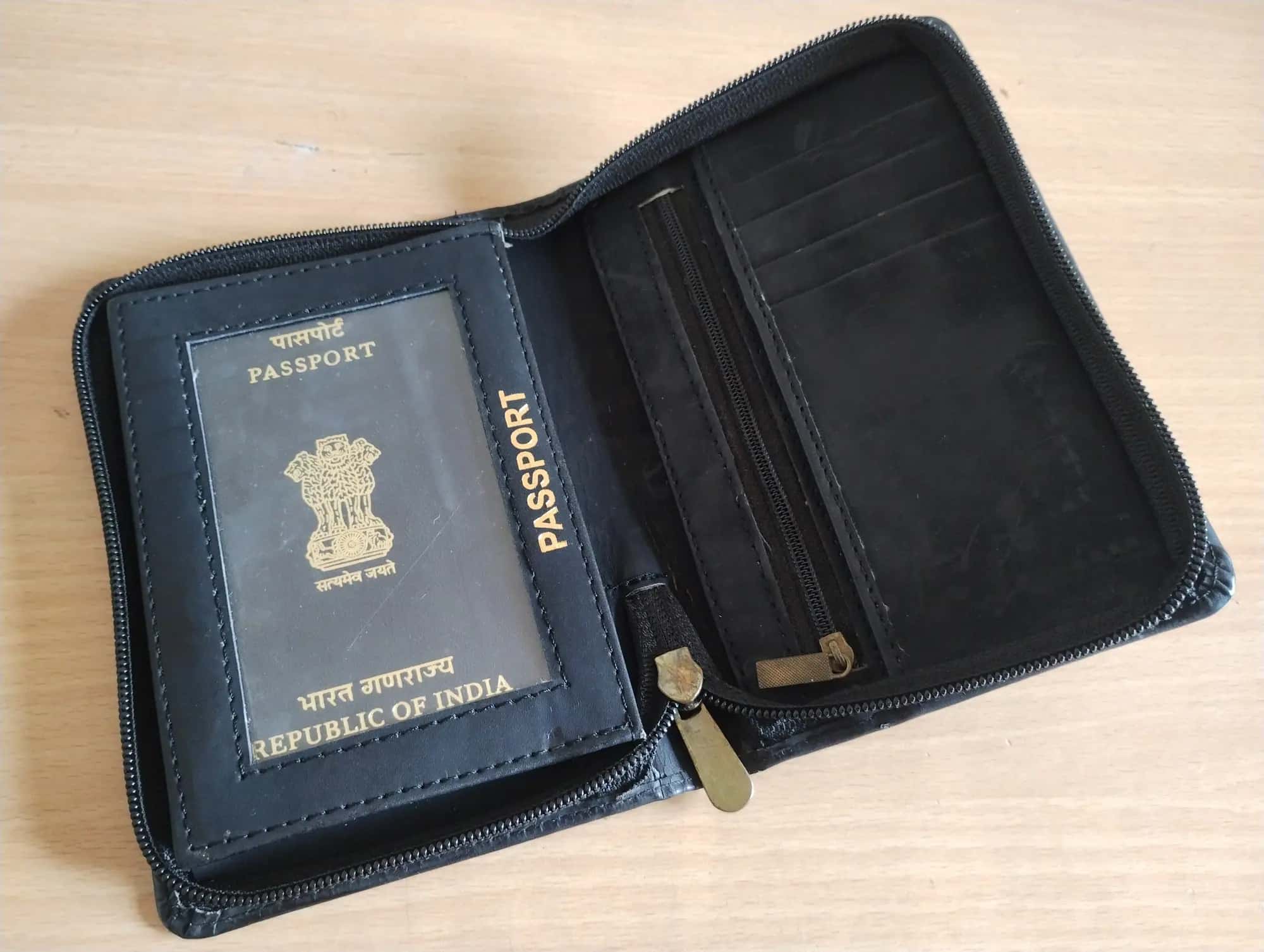
Definition
A visa you apply for and receive online, without visiting an embassy or visa centre. You upload a passport scan and photo, pay by card and get a PDF approval to print and show at check-in and immigration.
How e-visas work
You fill a form on the government portal (or through an authorised agent), upload your passport bio page and a photo, pay online and receive the approval by email, usually within 3–7 working days. There is no passport submission and no biometrics appointment. Print two copies: airlines in India ask for it at check-in, and immigration may want paper.
Countries Indians commonly use e-visas for
- Vietnam: e-visa for up to 90 days, about USD 25 (₹2,200) for single entry
- Singapore: applied through authorised visa agents, issued electronically
- UAE: tourist e-visas through airlines, hotels or agents
- Turkey: e-visa for Indians who hold a valid Schengen, UK or US visa or residence permit; others need a sticker visa
- Sri Lanka and Kenya: online approvals, sometimes called an ETA
Avoid fake portals
Search results are full of look-alike sites charging two to four times the official fee. Use the government website or a known agent. Then check the name, passport number and dates on the approval: a single wrong digit can mean you are refused boarding.
Example
A Kochi family of four applying for Vietnam e-visas pays about ₹8,800 in official fees in total and gets approvals in three to five working days. Applying ten days before a December trip, when portals slow down, is cutting it fine.
An e-visa is still a visa. The officer at your port of entry can refuse entry if your documents don't add up. It is also different from an electronic travel authorisation, which is lighter screening for visa-exempt travellers.
Our visa assistance service handles e-visa applications for most destinations.