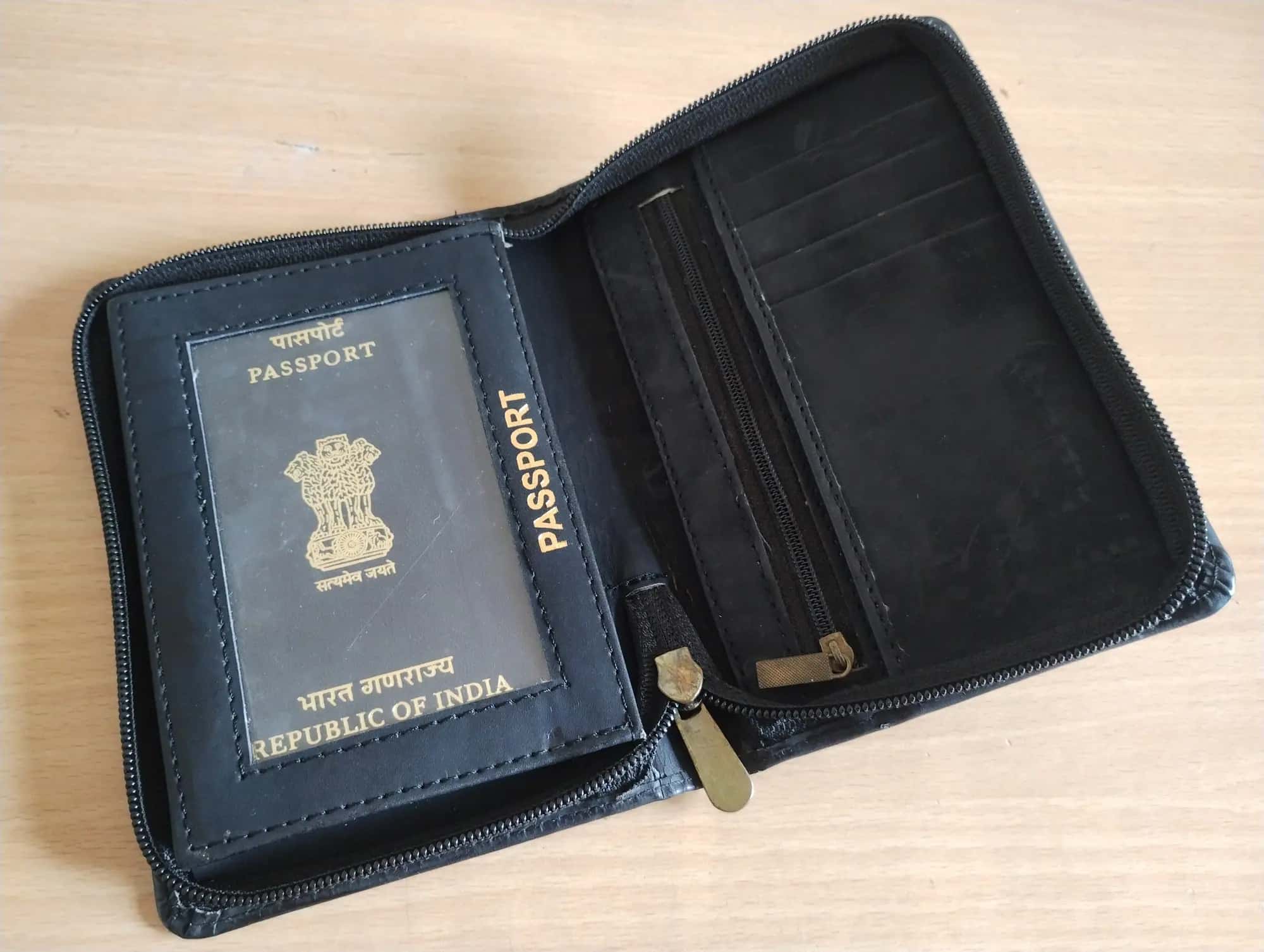
Definition
A permit foreign nationals need to visit sensitive border areas of India, such as all of Arunachal Pradesh and parts of Sikkim, Ladakh, Himachal and Uttarakhand. OCI cardholders count as foreigners for this rule. Indian citizens use an Inner Line Permit instead.
Why it matters to Indian families
You don't need a PAP yourself, but your travelling companions might. NRI relatives on US, UK or Australian passports, foreign spouses, and children with OCI cards are all foreign nationals for permit purposes. A family trip to Tawang, North Sikkim or Pangong planned without checking this can split the group at a checkpost.
Where PAPs or Restricted Area Permits apply
- Arunachal Pradesh: the whole state
- Sikkim: a Restricted Area Permit for entry, plus PAPs for areas such as North Sikkim and Tsomgo; some areas, such as Nathu La, stay closed to foreigners
- Ladakh: Nubra, Pangong, Tso Moriri and other border areas
- Himachal Pradesh and Uttarakhand: selected border zones, such as parts of Kinnaur and Spiti
- Parts of Rajasthan and the Northeast, depending on current notifications
How it works
Permits are usually issued through registered travel agents or the state's online system, often for a fixed itinerary and duration. Some areas require foreigners to travel in groups of two or more with a registered operator.
Example
A Chandigarh family plans a Leh–Nubra–Pangong trip with a cousin who holds a Canadian passport and an OCI card. The family pays the Ladakh area fee; the cousin needs a PAP, arranged through a registered Leh agent with copies of his passport and OCI card a day before the group heads to Nubra. Everyone carries ID for the checkpoints on the Khardung La road.
Practical advice
- Check the nationality of everyone in your group before booking any Northeast or Himalayan trip.
- Allow an extra day for permits in remote areas.
- Carry several printed copies; checkposts may keep one.
Indian citizens should read Inner Line Permit instead. For planning help, see our travel guides.